
Design-build in Southeast Michigan
Home restoration for the older houses of Ann Arbor and Ypsilanti.
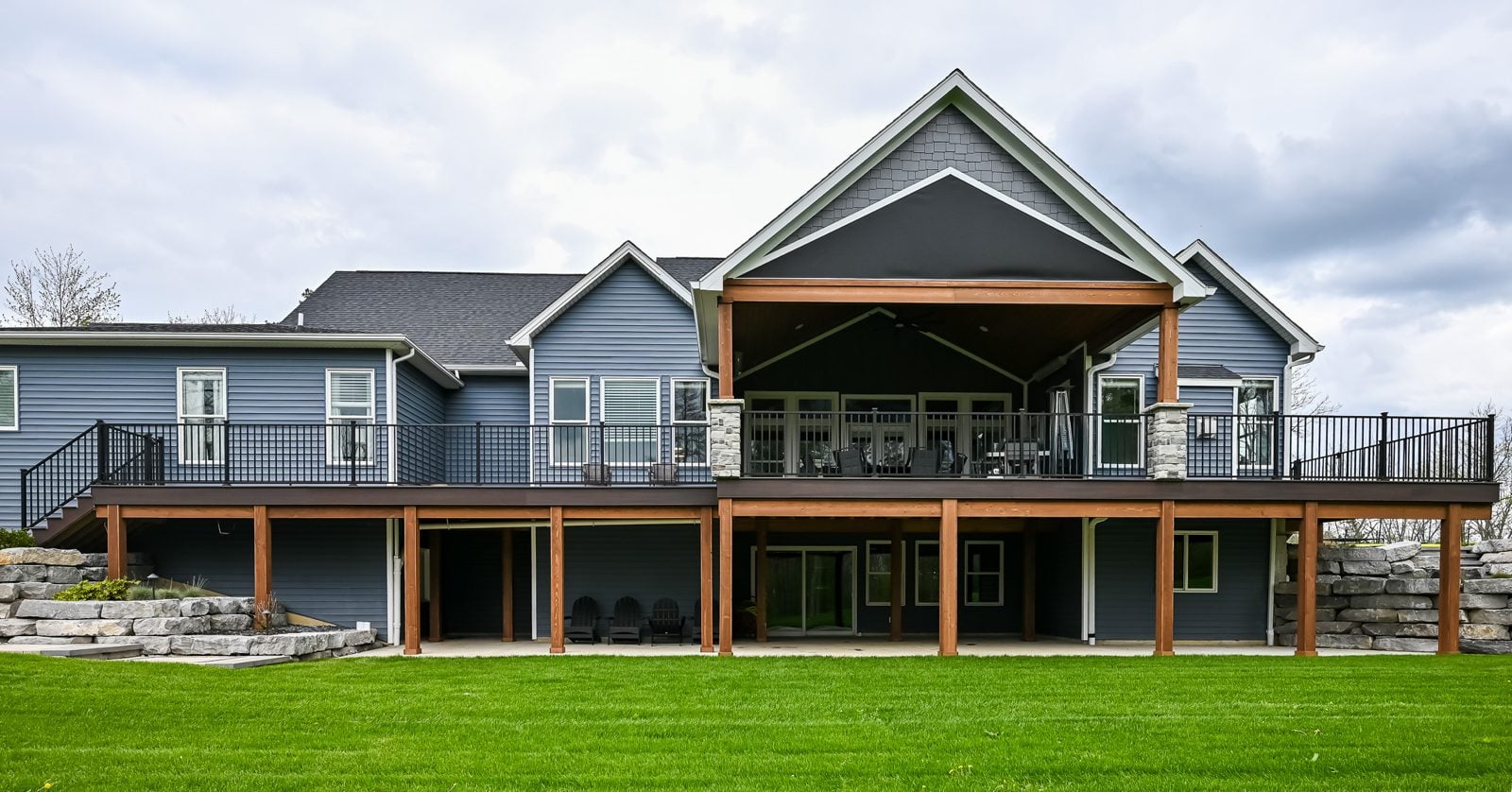
Home restoration that keeps the house you fell for
Home restoration in Ann Arbor, Ypsilanti and the older towns around them is a different job from renovation. Restoration brings back what the house already has: the plaster that’s cracked but sound, the trim profiles nobody mills anymore, the porch posts that have taken forty winters of splash-back, the staircase that moves when someone climbs it. Wright’s Renovations is a design-build contractor on Platt Road in Ypsilanti, and restoration is a large part of the work its crews do in houses built before most of them were born.
This page explains how restoration differs from home renovation and from a whole-house remodel, what restoration looks like in a Michigan house of each era, which parts of a house Wright’s restores, where the small jobs go through Wright’s Repairs, and what the company doesn’t restore at all. If you’d rather talk through your house first, call (734) 540-0347, Monday to Friday, 8 a.m. to 4 p.m.
Restoration, renovation and repair, and which one your house needs
The words get used loosely, so here’s how Wright’s uses them. A repair fixes one failed thing: a tread, a rotted sill, a door that won’t latch. A restoration brings a worn assembly back to the way it was meant to work, often with the original materials, like a plaster wall patched and skim-coated rather than torn out, or a deck stripped to bare wood and refinished because the framing still has years in it. A renovation updates systems and surfaces, and a remodel changes the form of the space.
Most older houses need a mix. A 1925 Ann Arbor bungalow might get restored trim and floors, renovated wiring and a remodeled kitchen in one project. That’s why Wright’s prices the scope line by line instead of by label, and why the design-build approach matters more in an old house than a new one: the person drawing the plan has already seen what’s behind the plaster.
For the renovation side of that mix, the room by room guide lists every space Wright’s builds. For houses that need the whole floor plan rethought, the home remodeling page explains how a house gets planned as one job. This page stays with restoration.
What restoration means in a Southeast Michigan house
Every era of house around here fails in its own way, and the home types guide sorts them by decade. The oldest stock, the Victorians and foursquares in Ann Arbor’s and Ypsilanti’s historic neighborhoods, was framed with rough-sawn lumber and finished in horsehair plaster. Behind that plaster sits balloon framing, cloth-wrapped wiring and cast-iron drains that have seen a century of use. Restoration there means keeping the plaster, the trim and the hardwood while the systems quietly get brought to code.
The historic home renovation page covers that era in detail, and the Michigan historic home guide goes deeper on leaded glass, single-pane windows, storm windows and the plaster walls that can’t be duplicated. Both are worth reading before a consultation, because the age of the house decides more of the budget than the finishes do.
Mid-century ranches from the 1950s and 1960s have good bones and worn surfaces: oak floors under carpet, popcorn ceilings, original windows that bleed heat. The mid-century home page shows how those get opened up and restored at the same time. Even newer builder-grade houses reach the restoration stage eventually, usually when a deck or a porch floor gives out before the rest of the house does.
Restoration work Wright’s takes on, inside and out
Wright’s restores with its own carpenters, drywall finishers, tile setters and painters, and brings in licensed electrical, plumbing and mechanical trades wherever the code calls for them. The sections below describe the work by the part of the house it touches, with links to the pages that go deeper on each.
Plaster, trim and millwork
Plaster gets keyed into sound lath and skim-coated rather than demolished, because the mass of a plaster wall is part of what makes an old room feel the way it does, and a wall built in 1928 was never perfectly flat. The drywall and plaster page explains how new material meets old lath and why texture is the expensive part to match. Trim is where restoration earns its keep: the custom millwork and trim work covers casings, baseboards and crown built to match what’s already in the house, and the custom carpentry team builds the built-ins and wainscoting alongside it.
Floors and stairs
Original hardwood almost always comes back. Sanding, repairing boards and refinishing costs a fraction of replacement and keeps the floor that’s already seasoned to the house; the hardwood flooring page covers the installation side for the boards and rooms that can’t be saved. Stairs are the restoration job most people put off. In one Ypsilanti staircase project, the treads moved because the stringers sat out of position, so the crew moved the stringers and rebuilt the run from there, with the family still using the stairs every night.
Windows and doors
Original wood windows can often be restored with new glazing, weatherstripping and a storm window outside, which keeps the character and most of the energy savings of a replacement. When a window is past that point, the window replacement page explains how new units get fitted without losing the trim and casings around them. The same logic runs on entry and exterior doors: restore the frame and the hardware where it’s sound, replace the slab where it isn’t.
Porches, decks and exterior wood
Michigan’s freeze and thaw cycle is hardest on wood outside. On an Ann Arbor porch and deck post restoration, the structural posts were sound but the wraps had taken years of sun and splash-back, so the crew rebuilt them in rough-sawn cedar. A deck whose framing still holds gets stripped, repaired and refinished through the deck staining and maintenance service instead of torn out. When the whole envelope needs attention, the exterior renovation page and the siding page cover the larger scopes, and new porches get their own porch construction page.
The same thinking reaches the outbuildings behind older houses. Original garden sheds and small carriage outbuildings get the repair-first approach too, through shed repair and restoration.
Kitchens and baths in old houses
A kitchen or bath in a 1920s house is rarely a pure restoration, because the plumbing and wiring have to be renovated to be safe. What restoration adds is restraint: keeping the pantry door, matching the casing profile on the new window, choosing tile and fixtures that belong to the house. The kitchen remodeling page and the bathroom remodeling page cover the construction; the historic guide covers the judgment.
Small restorations through Wright’s Repairs
Not every restoration is a project. A rotted stair tread, a run of missing crown molding, a deck rail that’s loose, a window casing with water damage at the sill: these are one-technician jobs, and Wright’s runs them through its Repairs division so a homeowner doesn’t have to find a handyman for the small work and a builder for the large. The rule for what Repairs takes is simple. If the job keeps the weather barrier closed, it’s a repair; if it opens the building envelope, it’s a renovation.
The hubs that matter most for restoration are trim carpentry, floor repair, door repair, window repair, deck repair, drywall repair and interior painting. Specific jobs such as stair tread replacement, crown molding installation and window trim and casing repair have their own pages with what the visit includes.
Repairs is also where a restoration client lands after the big project wraps. The same company that restored the staircase is the one to call three years later when a baluster works loose, and the record of what’s inside the walls is already in the file.
What Wright’s doesn’t restore
Honesty about scope saves everyone a wasted site visit. Wright’s isn’t an insurance restoration company. It doesn’t do water or fire damage mitigation, mold remediation, radon mitigation, or lead and asbestos abatement, which are licensed trades with their own regulations. If a pipe has burst or a basement has flooded, call a mitigation company first. Once the drying and remediation are finished, Wright’s repairs the drywall, the trim and the drainage that let the moisture in, and that’s the point at which to call.
Roofing, gutters, HVAC and fencing are also outside the scope, as the list of work Wright’s Repairs doesn’t take spells out. After a storm the same rule applies: once the roofer and the mitigation crew have done their part, Wright’s rebuilds the siding, trim, decks and interior finishes they left behind, through exterior repair for small scopes and a renovation contract for large ones.
What home restoration costs in Southeast Michigan
Restoration doesn’t price by the square foot the way a basement finish does, because the work is bound up in what the house turns out to be hiding. Wright’s prices every project from a line-item proposal, so the number you sign is the number the crew builds to, and every change is a written change order you approve before new work starts. In an old house that discipline matters more than anywhere, because the surprises are real.
A few rules of thumb hold. Restoring original hardwood costs well under replacing it. Refinishing a deck with sound framing runs well below a rebuild, as the Ann Arbor deck refinishing project shows, though stripping two old coats of stain took far longer than one. Restoring wood windows usually beats replacement on cost and loses on energy performance, and the right answer depends on the window. The renovation cost calculator gives starting numbers for the renovation portions of a project, and the financing page covers how larger restorations get funded.
How a restoration project runs with Wright’s
The phases are the same ones the design-build process page lays out. A consultation at the house comes first, and in an old house it’s worth having a little preparation done beforehand. The proposal phase takes two to four weeks and ends in drawings and a fixed price itemized line by line. Pre-construction takes three to six weeks for permits, selections and ordering. The build runs four to 16 weeks depending on scope, and one project manager stays with the house from contract to the warranty visit.
Every permit gets pulled under Wright’s own Michigan builder license, #262100679, and inspections are scheduled around the build calendar. If the house sits in a local historic district, exterior changes go through the district commission before the permit is issued, and that review gets built into the schedule rather than discovered halfway through. Every evening the foreman posts a daily log in JobTread with photos, and every Friday the project manager sends the schedule chart, the budget position and any decisions that need an answer.
Seasons, dust and living in the house during restoration
Exterior restoration lives in the warm months. Porches, decks, siding and window work need dry days and frost-free ground, which puts them between April and October, while plaster, trim, floors and stairs run through the Michigan winter. The renovation timing tool shows when to start planning so the build lands in the right window, and the answer for most restorations is one season earlier than you’d guess.
Most families stay home. Zip-wall dust barriers go up and ram board goes down before any demolition, the site gets cleaned at the end of every day, and the loudest work gets scheduled with some thought for who’s home. On the Ypsilanti porch and deck project, site prep even included hose-testing the deck to watch where runoff traveled before anything was built. Occupied-home work is planned for, not improvised.
Restoration work across six Southeast Michigan counties
Wright’s serves Washtenaw, Wayne, Oakland, Livingston, Monroe and Macomb counties from Ypsilanti, and the oldest housing stock in that footprint sits close to the shop. Ann Arbor and Ypsilanti carry the Victorians, foursquares and bungalows. Saline, Chelsea, Dexter, Manchester and Milan have the small-town main streets and the farmhouses around them. Tecumseh, just over the county line, has the same kind of stock.
Farther out, Northville and Plymouth have historic downtowns ringed by older neighborhoods, Monroe is one of the oldest towns in Michigan, and Dearborn and Detroit hold the brick and plaster stock of the 1920s boom. The Michigan service area hub lists every town with a page, and county pages for Washtenaw, Wayne, Oakland, Livingston, Monroe County and Macomb cover the townships between.
Restorations Wright’s has finished nearby
The project portfolio holds every featured project with photos, the scope of work and the problems each house presented along the way. These are the ones that show restoration specifically, where the goal was to bring something back rather than replace it, and where the framing, the chimney or the posts underneath were worth keeping:
- Porch and deck post wraps in Ann Arbor, rebuilt in rough-sawn cedar around structural posts that were still sound.
- A staircase in Ypsilanti rebuilt from the stringers up, with the family using it throughout.
- A multi-level deck in Ann Arbor stripped to bare wood, repaired and refinished instead of torn out.
- An enclosed porch in Ypsilanti with a worn-out floor and subfloor rebuilt for three-season use.
- A living room in Ypsilanti where a fieldstone chimney and a vaulted ceiling were kept and the lighting brought up to the room.
Questions homeowners ask about restoring an older house
Is restoring cheaper than replacing?
Usually, when the underlying structure is sound. Floors, decks with good framing, plaster that’s cracked rather than failed and wood windows that still close tight all cost less to restore than to replace. When the structure has failed, as with the Ypsilanti stairs whose stringers sat out of position, the honest answer is a rebuild, and the proposal says so line by line.
Does Wright’s work in historic districts?
Yes. Exterior changes in a designated district go through the local historic district commission before a building permit is issued, and Wright’s builds that review into the pre-construction schedule. Interior work generally doesn’t need commission approval, though the permit and inspection process is the same as any other house.
Can you match original trim and plaster?
Trim can be built to match through the millwork and trim program when the stock profile no longer exists. Plaster is repaired in place wherever it’s sound, and new sections are finished to match the texture and the slight irregularity of the original so the repair doesn’t announce itself.
Do you handle water or fire damage restoration?
No. Mitigation, drying, mold remediation and abatement are separate licensed trades, and Wright’s refers them out. Once that work is finished and the house is dry, Wright’s rebuilds what was removed: drywall, trim, floors, cabinets and the drainage that let the water in.
Should I restore my old windows or replace them?
It depends on the window. A sound wood sash with new glazing, weatherstripping and a storm unit keeps the character and most of the efficiency. A window that’s rotted at the sill or racked out of square is a replacement, fitted so the interior casings stay. The consultation looks at each window rather than pricing them as a set.
Start your home restoration with a conversation
The fastest way to learn what your house needs, and what each option costs, is a visit from someone who has worked in houses like it. Contact us today for a free quote, or book the consultation online and see who Wright’s works best with first. Wright’s Renovations, 7101 Platt Rd, Ypsilanti, MI 48197, (734) 540-0347.
Free consultation
Start with a conversation
Tell us what you’re planning. We’ll follow up within one business day with next steps and an honest read on budget and timing.
Prefer the phone? Call (734) 540-0347, Monday to Friday, 8 a.m. to 4 p.m.