

Basement refinishing in Southeast Michigan
The room you already own.
Wright’s Renovations builds Michigan basements out from the slab in six layers. The layer most contractors skip is the one that decides whether the finished room still works in five years.
A Michigan basement wall, in section
-
01
Concrete foundationThe slab and poured walls, as the house was built.
-
02
Moisture & vapor barrierDimpled membrane, sealed penetrations, perimeter drainage.The layer most projects skip.
-
03
Below-grade insulationRigid foam against the foundation wall, R-15 minimum.
-
04
Framing & rough-inStud walls, electrical, plumbing, HVAC runs.
-
05
Drywall & flooringType X board, subfloor, the finished surfaces underneath.
-
06
Trim & finishesPaint, doors, hardware. The layer everyone sees.
The Michigan condition
Water finds a way. Especially here.
Southeast Michigan sits on glacial till and silty clay, with a water table that stays close to the surface across much of Washtenaw, Wayne, and Oakland counties. A finished basement that wasn’t waterproofed first will smell musty within a year and grow visible mold within two. The cause is rarely a dramatic leak. It’s the slow hydrostatic pressure that pushes moisture through every untreated foot of concrete the room is wrapped in.
Hydrostatic pressure builds when groundwater in the soil around the foundation has nowhere to drain. The pressure pushes upward through the slab and inward through the foundation walls, carrying moisture that concrete is porous enough to wick. In a winter where the ground freezes after a wet fall, the effect concentrates. Spring thaw is when most basement moisture problems make themselves visible, often years after the basement was originally finished.
Treating moisture as a finishing problem instead of a foundation problem is the single most common reason a Michigan basement project fails.
Proper moisture management runs in the wall, the floor, and the air. A dimpled membrane against the foundation creates an air gap that gives any moisture a path to drain instead of soaking the framing. A polyethylene vapor barrier blocks humid summer air from condensing on cold below-grade surfaces. Sealed penetrations around plumbing and HVAC keep the air barrier continuous. A dehumidifier sized for the actual cubic footage of the room holds the humidity below 50 percent year-round, and a sump pump with battery backup handles whatever does make it to the slab. None of this shows once the drywall goes up, which is exactly why so many basement projects skip it. Wright’s pulls every project through a moisture audit before any framing happens, and the team documents the seasonal humidity readings in Michigan basements during winter as a reference point for what dry actually looks like.
What “finished” actually means
Six layers, built in order.
A finished basement is six distinct phases of work. Most homeowners only see the last one. The work underneath is what determines whether the room still functions correctly a decade from now.
Moisture and vapor control goes in first because everything else depends on it. The dimpled membrane creates an air gap between the foundation wall and the framing, so any moisture that does work its way through the concrete has somewhere to go. Sealed penetrations and a continuous vapor barrier keep humid summer air from condensing on the back side of cold below-grade walls. This is the layer the 2025 Michigan basement finishing guide spends the most time on for a reason.
Below-grade insulation sits between the foundation and the new stud wall. Climate zone 5A, where the bulk of Southeast Michigan falls, calls for R-15 minimum on basement walls. Rigid foam outperforms batt insulation here because it doesn’t absorb moisture and it bridges the thermal gap of the concrete itself.
Framing and rough-in follow the moisture and insulation work. Treated bottom plates sit on a sill seal a half-inch off the slab. Stud walls are sized to leave the dimpled membrane an air channel for any moisture that does work its way through. Electrical runs to current code, with separate circuits for any wet rooms, GFCI protection where required, and arc-fault protection on living-space outlets. Plumbing for basement bathrooms ties into either the existing stack or a sewage ejector if the bath sits below the main waste line. HVAC gets its own supply and return runs if the basement is conditioned space, and the team verifies that the existing furnace can handle the added load before the rough-in goes in. Every rough-in inspection has to pass before the walls close.
Drywall, flooring, and finishes are the layers homeowners think of when they think about finishing. Type X firecode drywall goes on any wall shared with a utility room or the area around the furnace. Luxury vinyl plank or engineered hardwood floats over a moisture-rated underlayment, with a perimeter expansion gap that the baseboard hides. Trim, paint, and hardware close out the project. By the time these layers go on, the structural and infrastructure work is done and the room behaves like the rest of the house. Basement remodeling projects in an already-finished space pick up at this layer, skipping the moisture and framing work if the original build did it correctly.
The order matters because each layer depends on the one beneath it. A vapor barrier installed over wet concrete traps the moisture in. Insulation framed against an untreated foundation wall wicks water into the studs. Drywall hung before the rough-in inspections passes means tearing it back down. Wright’s runs the layers in sequence, gets each one inspected where required, and only moves on when the previous layer is signed off.
Code, egress, permits
What the building code actually requires.
Michigan’s residential code treats finished basements differently than the rooms above them. Three requirements catch most homeowners off guard, and getting them wrong can void a homeowner’s insurance and complicate the sale of the house years later.
Egress windows
Any room used as a bedroom needs an egress window. The opening must clear a minimum of 5.7 square feet with at least 20 inches of width and 24 inches of height. If the basement wall has no place to put one, a window well gets excavated outside the foundation. Many basement bedrooms built without permits aren’t legal sleeping space and won’t appear on appraisal as bedrooms when the house sells. Wright’s handles the excavation and the buck-out where one is needed.
Ceiling height
Habitable rooms need a minimum 7-foot finished ceiling. Beams, ducts, and soffits can dip lower in limited cases. Many older Michigan basements have 7’2″ to 7’4″ of joist-to-slab clearance, which means finishing the floor and ceiling assemblies can leave the room legal but tight. The team measures every house before quoting, and where headroom is marginal the layout gets designed around it.
Smoke detectors, CO detectors, permits
Smoke detection is required on every level and inside any bedroom. Carbon monoxide detection is required outside every sleeping area. Both are hardwired with battery backup for new construction. Wright’s pulls every permit on every basement project and schedules the inspections at rough-in and final. Project quotes include the permit fees and the inspection coordination.
Why permit work pays off at sale
A finished basement built without permits doesn’t count as legal square footage when an appraiser walks the house. The bedrooms aren’t bedrooms. The bathroom is a question mark. Insurance carriers can deny claims on unpermitted work, and inspectors during a future sale will flag every code violation. The cost of pulling permits during construction is a fraction of what it costs to retroactively bring an existing finished basement into compliance, and the homeowner only finds out about the gap when the house is already on the market.
What the room becomes
The square footage you already own, used the way the rest of the house can’t hold.
Most Southeast Michigan basements run 800 to 1,500 square feet. A correctly-finished one absorbs the rooms the upstairs doesn’t have space for, and the decision isn’t either/or. A larger basement holds two or three of these uses without feeling crowded, and the design phase is where the trade-offs get resolved. Where the egress window can go determines where a bedroom can sit. Where the existing plumbing stack runs determines where a basement bathroom is feasible without a sewage ejector. Where the support columns fall determines whether a long sectional or a pool table will actually fit. The team works these constraints out on paper before any wall is built, and the resulting layout reflects what the room can actually become given the bones it already has.
most common
Family room
A real TV wall, built-in storage for the games and the speakers, and a sectional that wouldn’t fit upstairs. The room teenagers and their friends end up in.
All basement services
multi-generational
Guest suite
A legal bedroom with egress, a full bath, and a small sitting area. The configuration that handles aging parents, adult children moving home, or long-stay visitors.
Basement bathrooms
remote work
Home office
Quiet, separated from the rhythm of the upstairs, with room for two desks if both adults work from home. Hardwired data drops where they’re needed.
Basement home office
entertainment
Home theater
Acoustic isolation in the walls and ceiling, projection or a large display, tiered seating where the floor plan supports it. The basement is the right floor for it.
Home theater & media room
entertaining
Wet bar or kitchenette
A second prep space paired with the family room, sized for entertaining without trips back upstairs. The choice between the two depends on how the room actually gets used.
Wet bar vs kitchenette
flex use
Playroom or rec space
Durable flooring, washable wall finishes, storage that keeps the toys contained, and a layout that adapts as the kids age out of one use and into the next.
Playroom & rec space
Two different projects
Refinishing is one of two things.
A homeowner asking to “finish the basement” can mean either of two projects. The scope, cost, and timeline differ. The first consultation determines which one the project actually is.
Starting from concrete
Basement finishing
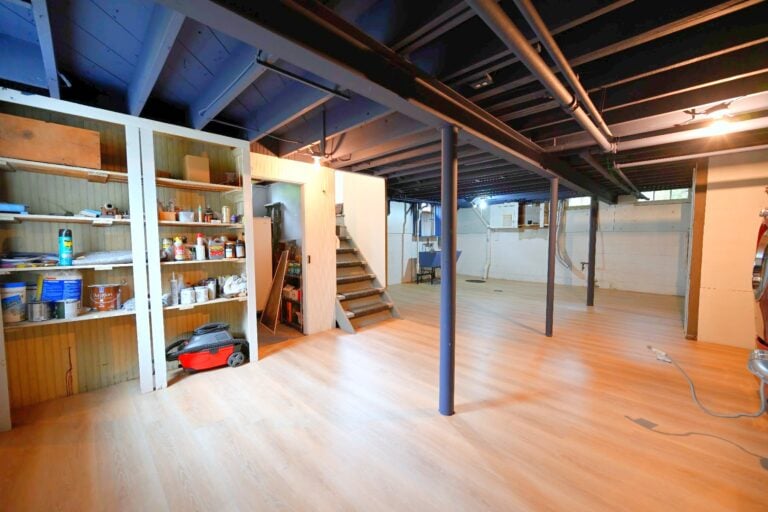
Bare foundation walls and a slab floor, no framing in place. The team builds the full stack: moisture barrier, insulation, framing, mechanical rough-in, drywall, flooring, finishes. This is the path for a basement that’s been used for storage and laundry since the house was built, and the work falls under the broader basement services Wright’s offers. A finished example sits on the portfolio: an Ann Arbor basement built around a darkroom, framed over fresh drain tile.
- Six-layer build, slab to finishes
- Permits for electrical, plumbing, mechanical
- Typical timeline of 8 to 14 weeks
Starting from a finished room
Basement remodeling
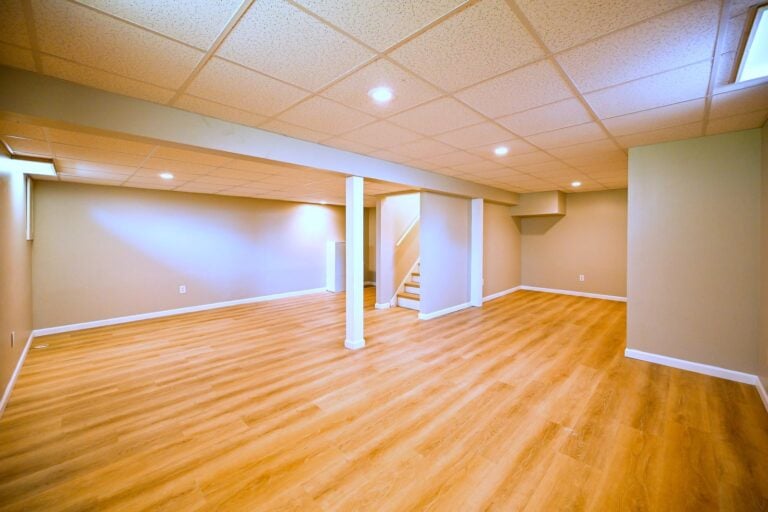
A basement that was finished years ago and now reads dated, worn, or wrong for how the family lives. Selective demo, refresh, sometimes a reconfiguration of the layout. The team verifies the original moisture work during scoping, but the bones are in place. Costs are lower per square foot and timelines compress. See the basement remodeling overview for what that scope looks like. This Ann Arbor basement refresh is that scope exactly: a leveled slab, a sprayed ceiling and new plank floors, about $20,000, and no framing at all.
- Refresh of finishes, fixtures, layout
- Existing infrastructure inspected and reused
- Shorter timelines, lower square-foot cost
The process
Four phases, one team.
Wright’s runs every basement project through the same four phases, so homeowners always know which phase they’re in and who to ask about it.
phase one
Moisture audit & discovery
The team visits the house, runs the moisture audit, scopes the work, and confirms the basement is dry enough to finish before any design work begins.
phase two
Design & price
Layout, finishes, and dollar figures grow together. Every decision carries a real number, and the budget on the written quote is approved before any wall gets built.
phase three
Build
Daily photos and a live schedule through JobTread. One project manager owns the basement from demo to the last coat of paint, and every inspection runs on time. The featured portfolio shows what the finished work looks like.
phase four
Walkthrough
Room-by-room sign-off, with anything flagged on the punch list resolved before the project closes. The homeowner accepts a finished room, not a list of follow-ups.
Where the team works
Six counties, one crew.
Wright’s only works in Southeast Michigan, which means the team already knows the soil profile, the permit desks, and the way a 1920s Ann Arbor foundation behaves in February. The team’s Ann Arbor basement refinishing work spans Old West Side foundations through newer Plymouth and Saline builds, and the company carries the same crew into Macomb County and the rest of the region.
Not every town has its own landing page yet, and the team is actively expanding the geographic coverage as project volume grows in each market. Plymouth, Northville, Birmingham, and the surrounding Oakland County communities all see active Wright’s basement projects even where a town-specific page hasn’t been published. Check the full service area map if your community isn’t listed, or browse the featured project portfolio for examples of basement work across the region.
Counties served
Questions homeowners ask
Basement finishing questions, answered.
The same handful of questions comes up at nearly every first visit. Short answers here, longer ones in person.
How long does basement finishing take in Michigan?
A full build from bare concrete usually runs 8 to 14 weeks once the design is approved and permits are in hand. A basement that adds a bathroom or an egress window sits at the longer end. Refreshing a room that was finished correctly years ago moves faster, since the moisture and framing layers are already there.
Do I need a permit to finish my basement?
Yes. Michigan requires permits for the electrical, plumbing and mechanical work, for any structural change and for egress windows. Wright’s pulls every permit, schedules the rough-in and final inspections, and includes the fees in the written quote so nothing shows up later as a surprise.
What happens if my basement has had water in it?
The moisture audit comes first, before any design work. The team traces where the water came from, fixes the cause outside and inside, and only then builds the membrane, drainage and vapor barrier the finished room depends on. Where the foundation itself is the problem, foundation repair gets scoped before anything else.
Can a basement bedroom count as a real bedroom?
Only with a code-compliant egress window and a permit on file. Without both, an appraiser will not count the room as a bedroom and an insurer can question a claim. Wright’s handles the window well excavation and the buck-out where one is needed, so the room is legal sleeping space from day one.
Beyond the finish
More ways a basement gets used.
A finished room is only one of the jobs a Michigan basement does. The mechanical, structural and utility work below often has to come first, and each of these pages covers one piece of it.
Air, moisture and daylight
Humidity is the enemy of every below-grade room. Wright’s sizes basement ventilation systems for Michigan summers and swaps out the tired glass block most older foundations came with, which is where basement window replacement usually starts.
Work rooms, not living rooms
Some homeowners want a place for the messy hobbies rather than another sofa. A basement workshop takes the sawdust and the paint, and a basement laundry room moves the machines out of the way upstairs.
Structure before drywall
Water and structure come before finishes, so foundation repair gets scoped before any wall goes up. Across Washtenaw County most of that work lands on basement finishing in Ypsilanti and the towns around it.
Ready to use the room you already own?
The first conversation starts with the moisture audit, not the floor plan. Wright’s will tell you what the basement actually needs before anyone talks about layouts or finishes.
Free consultation
Licensed & insured
Every permit pulled
Wright’s Renovations · featured work
Browse our featured projects
Pick a project type to see recent design-build work across Southeast Michigan, from kitchens and baths to whole-home and commercial builds.
 Dry barAnn Arbor, MI
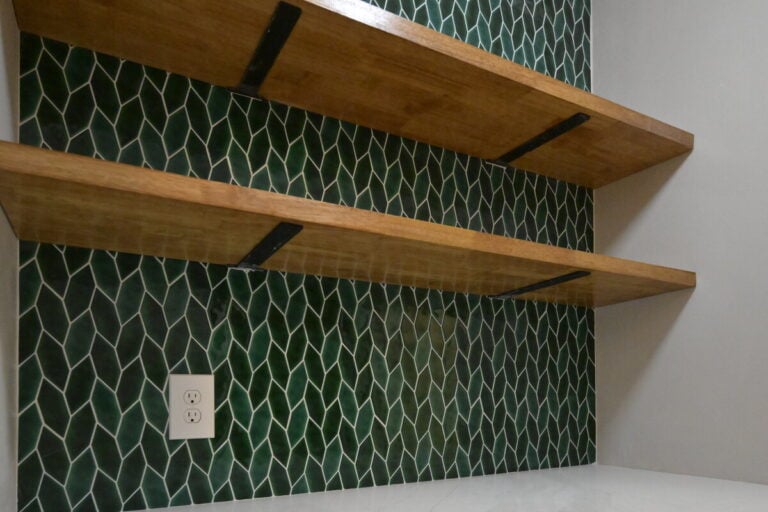
A dry bar built around one green tile
View project →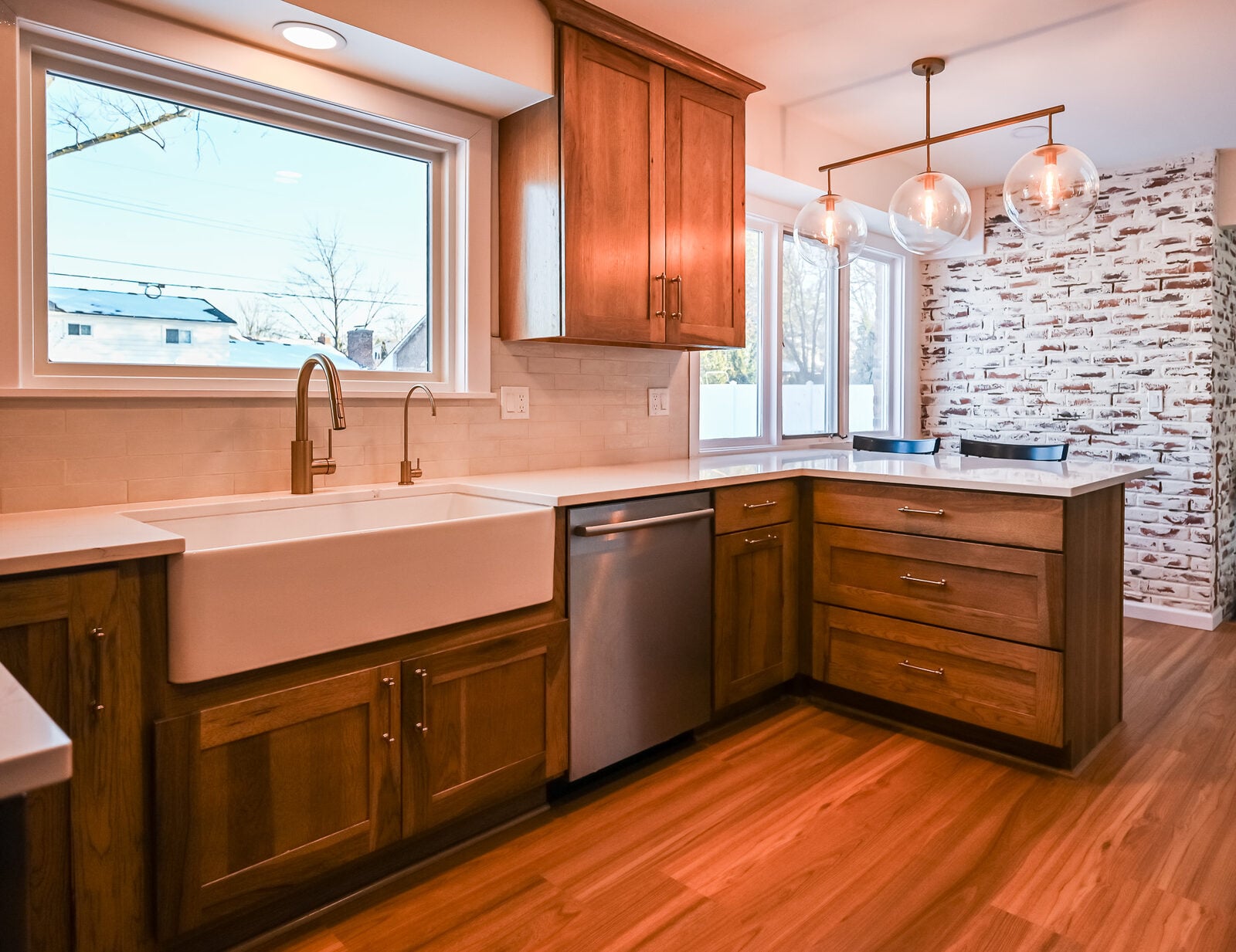 KitchenAnn Arbor, MI
A small kitchen rebuilt from the subfloor up
View project →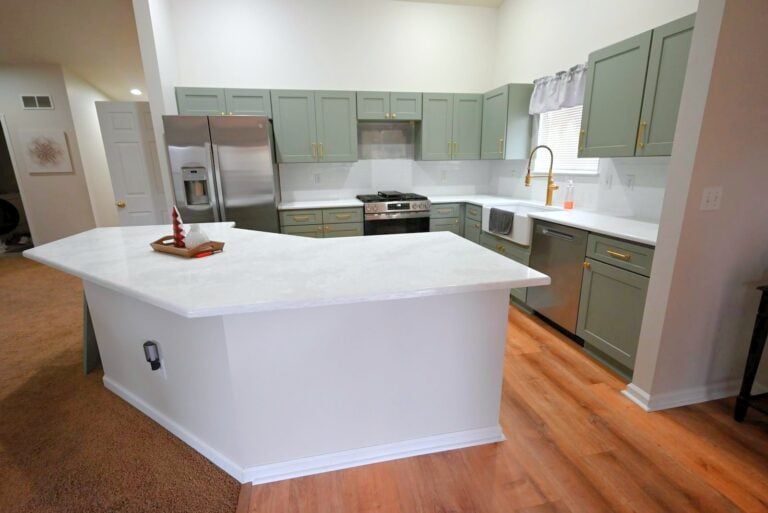 KitchenBelleville, MI
New cabinets, counters and backsplash
View project →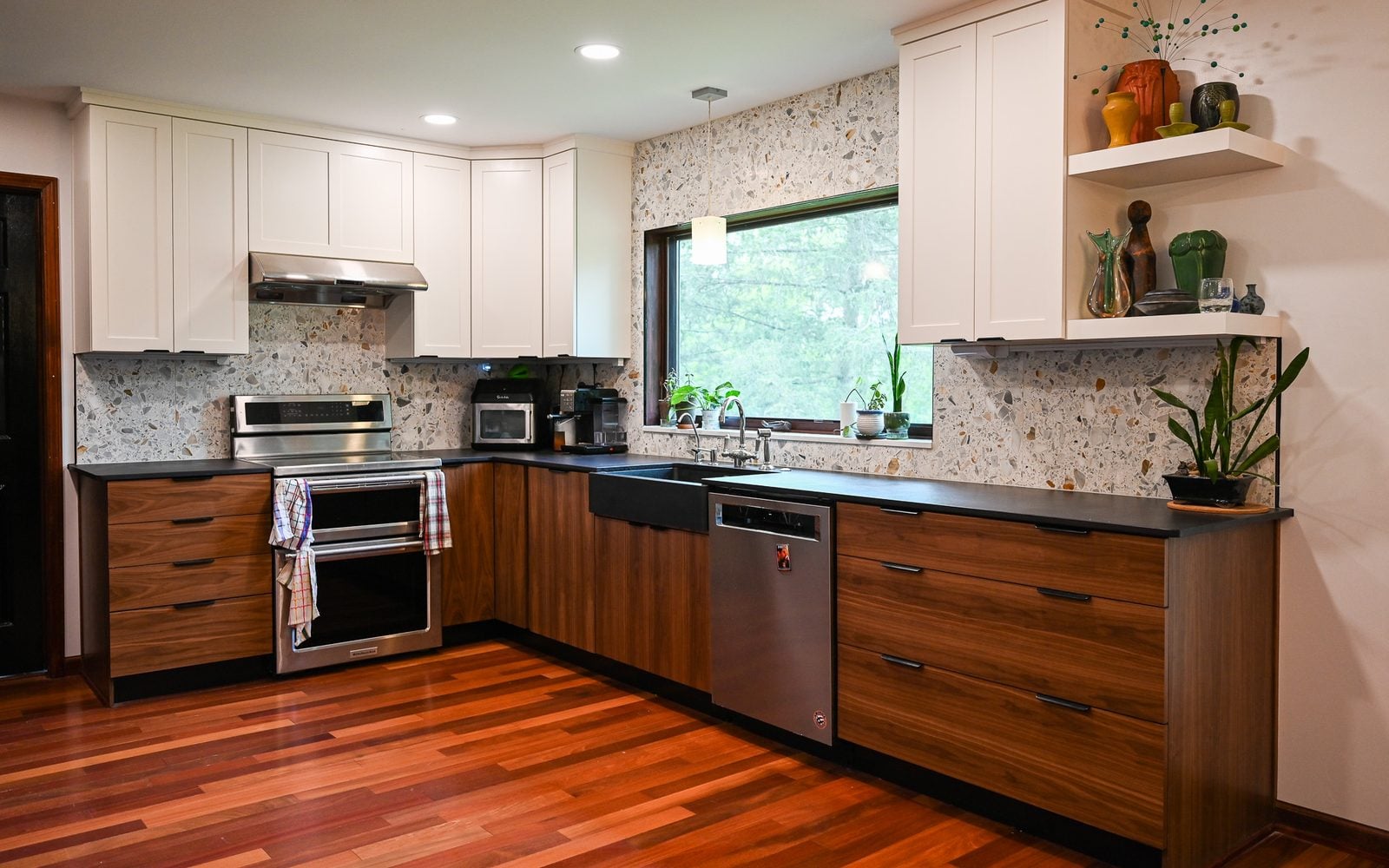 KitchenAnn Arbor, MI
A kitchen that pulled the whole floor with it
View project →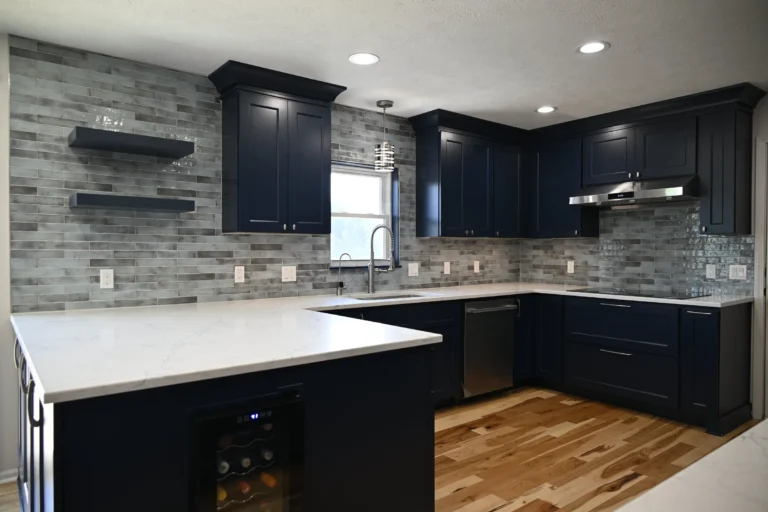 Kitchen & bathManchester, MI
A bold navy kitchen
View project →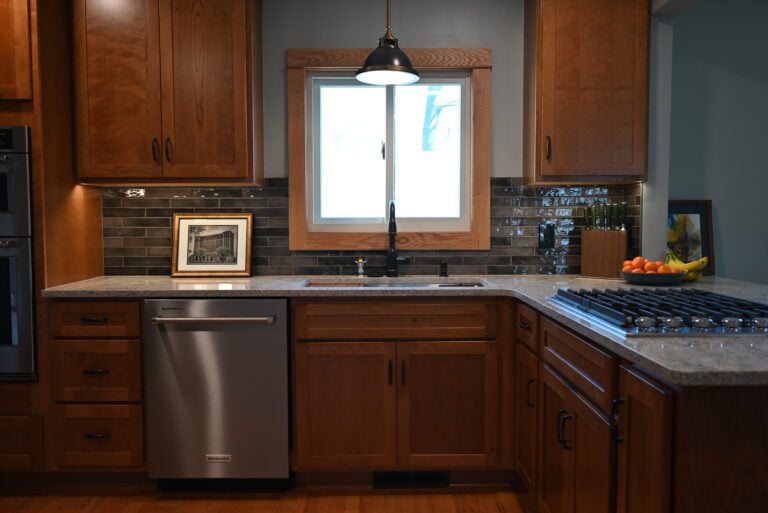 KitchenYpsilanti, MI
A hardworking kitchen, opened up
View project →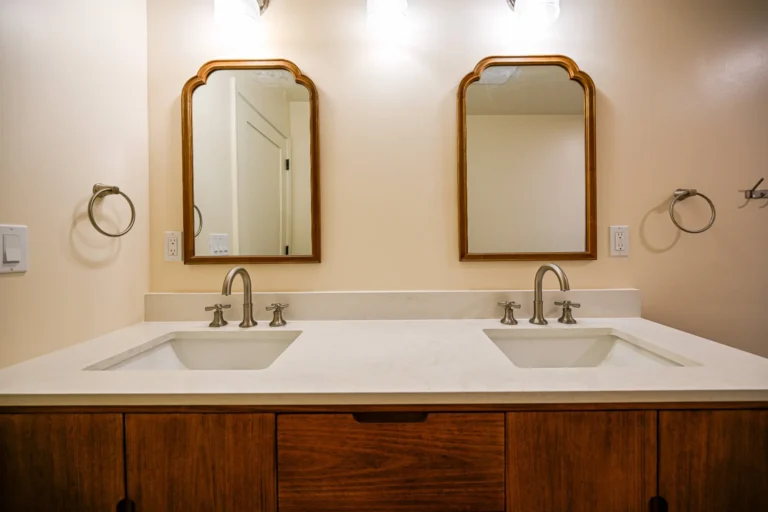 BathroomAnn Arbor, MI
A moved closet wall and a blue tile walk-in shower
View project →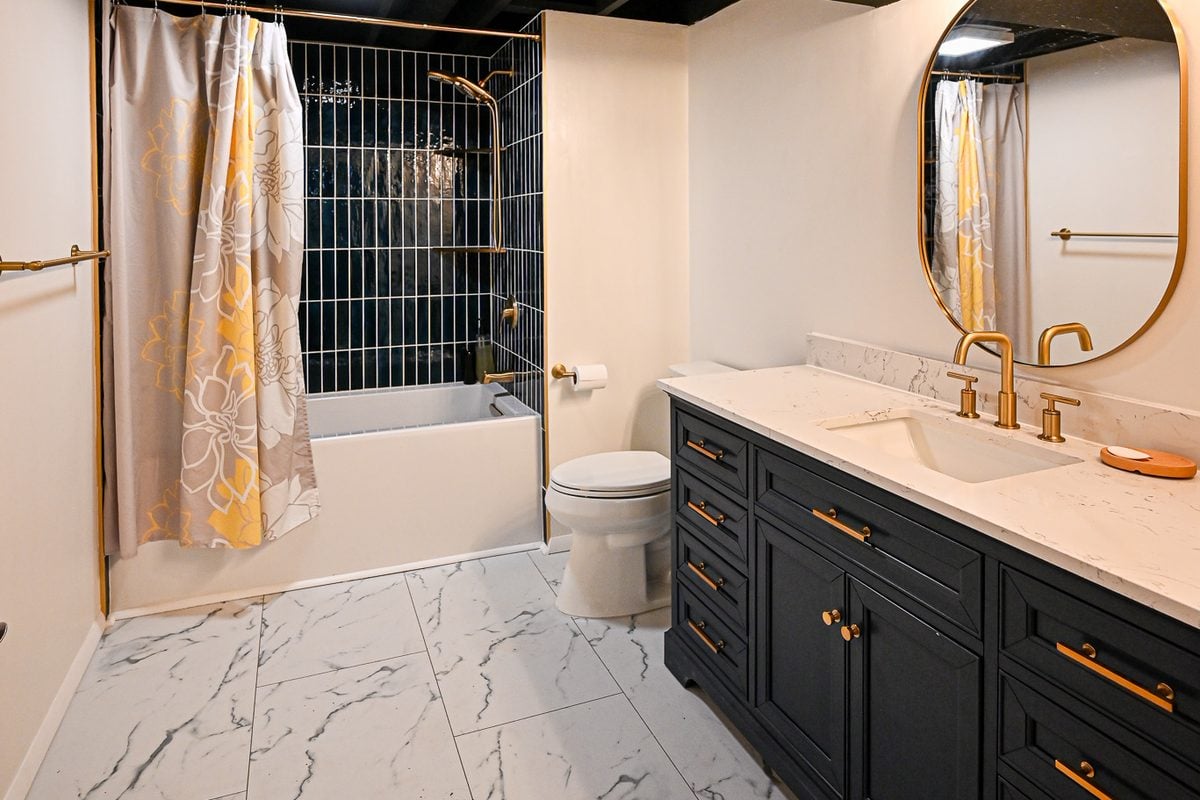 BathroomAnn Arbor, MI
A bath, a bedroom and a slab that fought back
View project →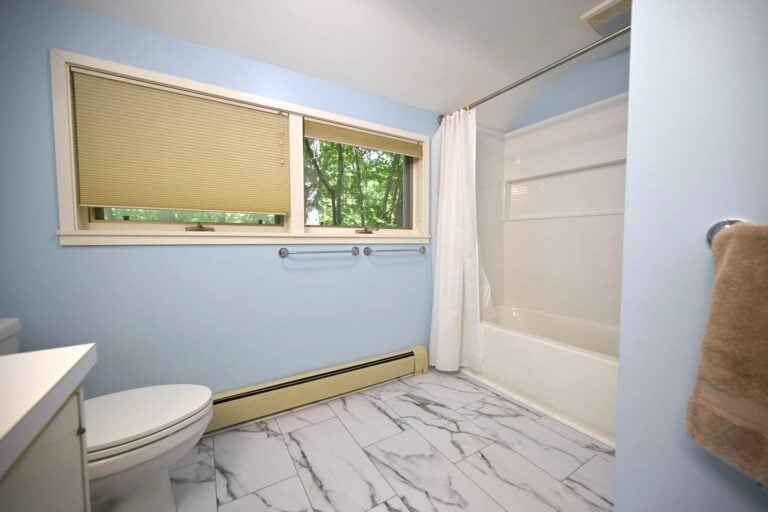 BathroomAnn Arbor, MI
An upstairs and downstairs refresh
View project →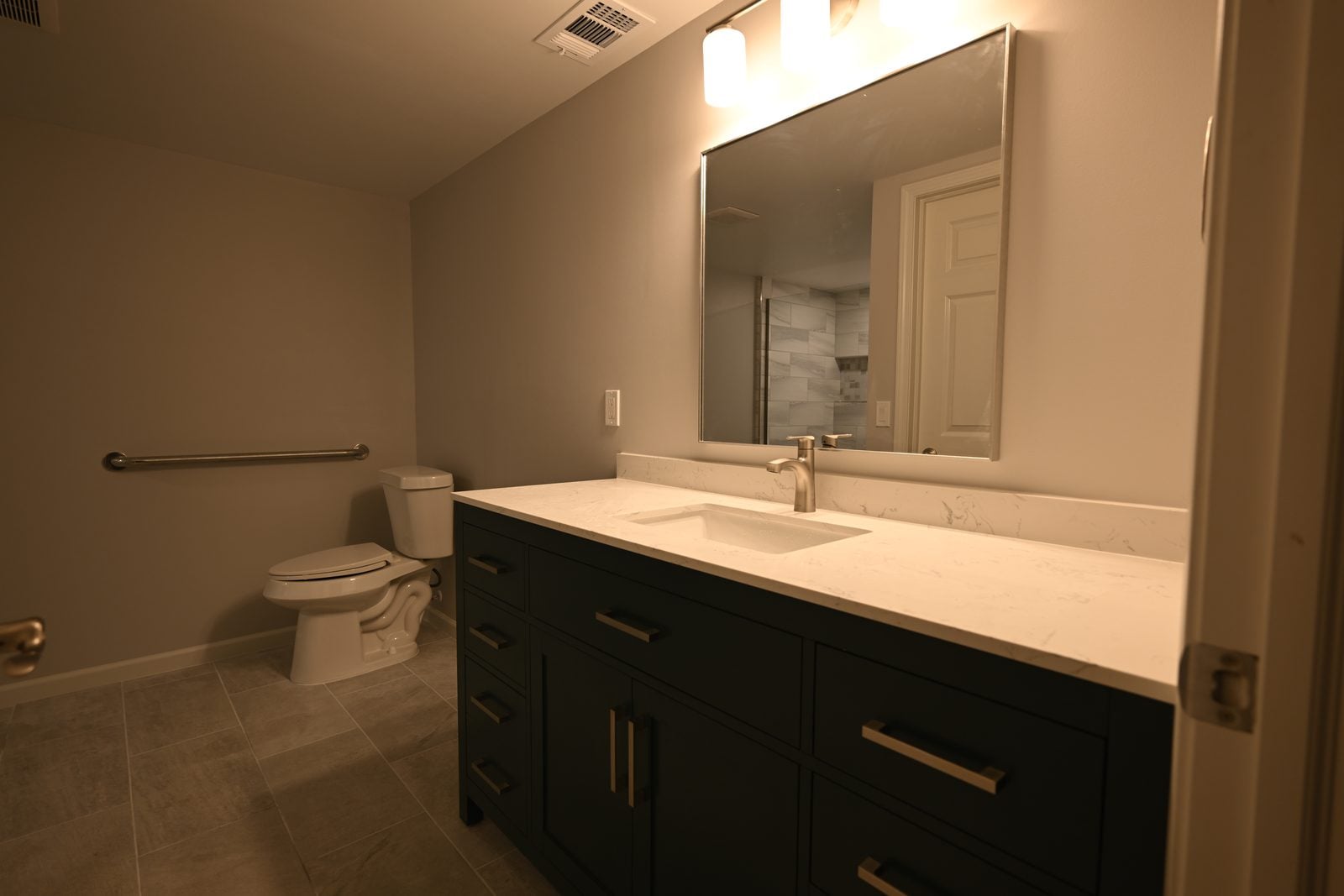 BathroomPlymouth, MI
A closet turned walk-in shower
View project →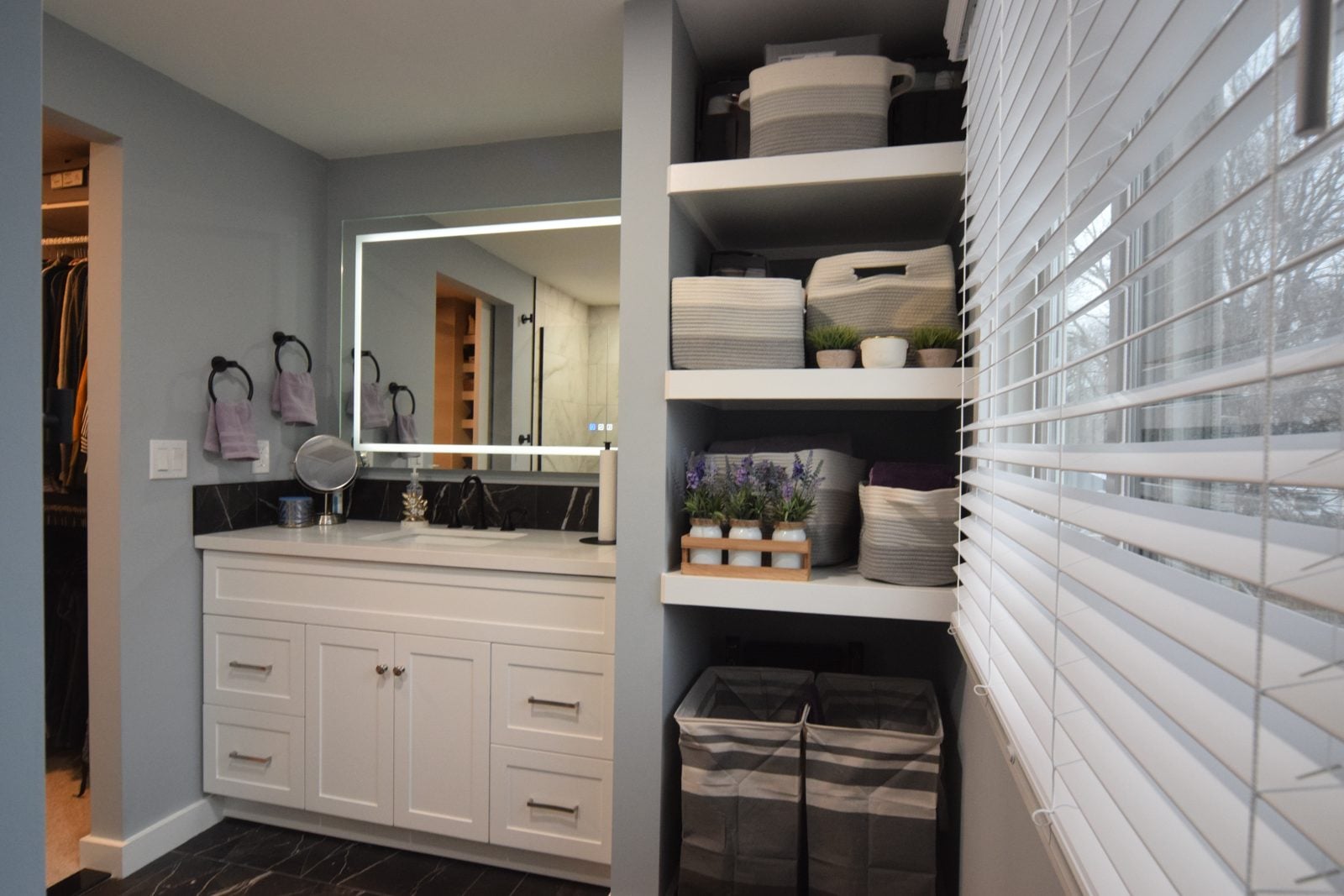 BathroomLivonia, MI
A spa-like bathroom retreat
View project →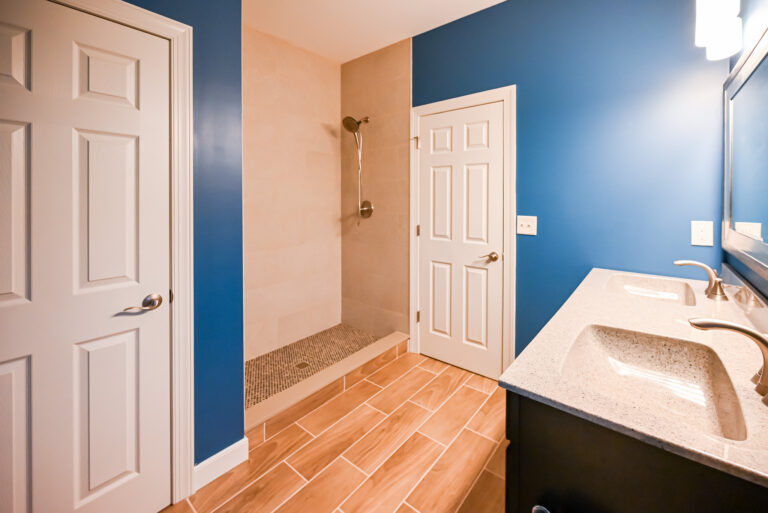 BathroomHowell, MI
A full bathroom rebuild
View project →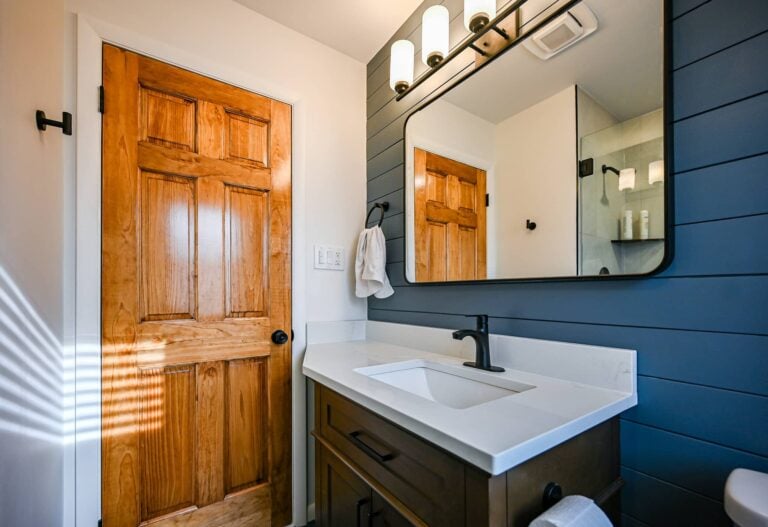 BathroomsAnn Arbor, MI
Two baths and a finished basement
View project →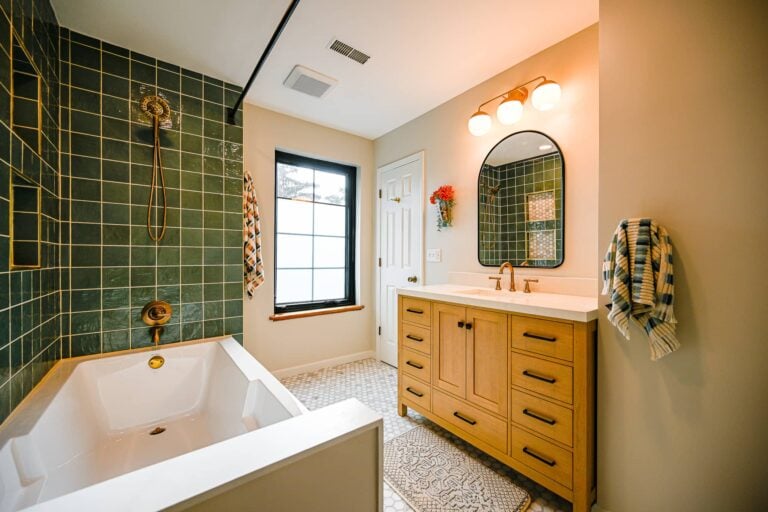 BathroomDexter, MI
Green tile and warm brass
View project →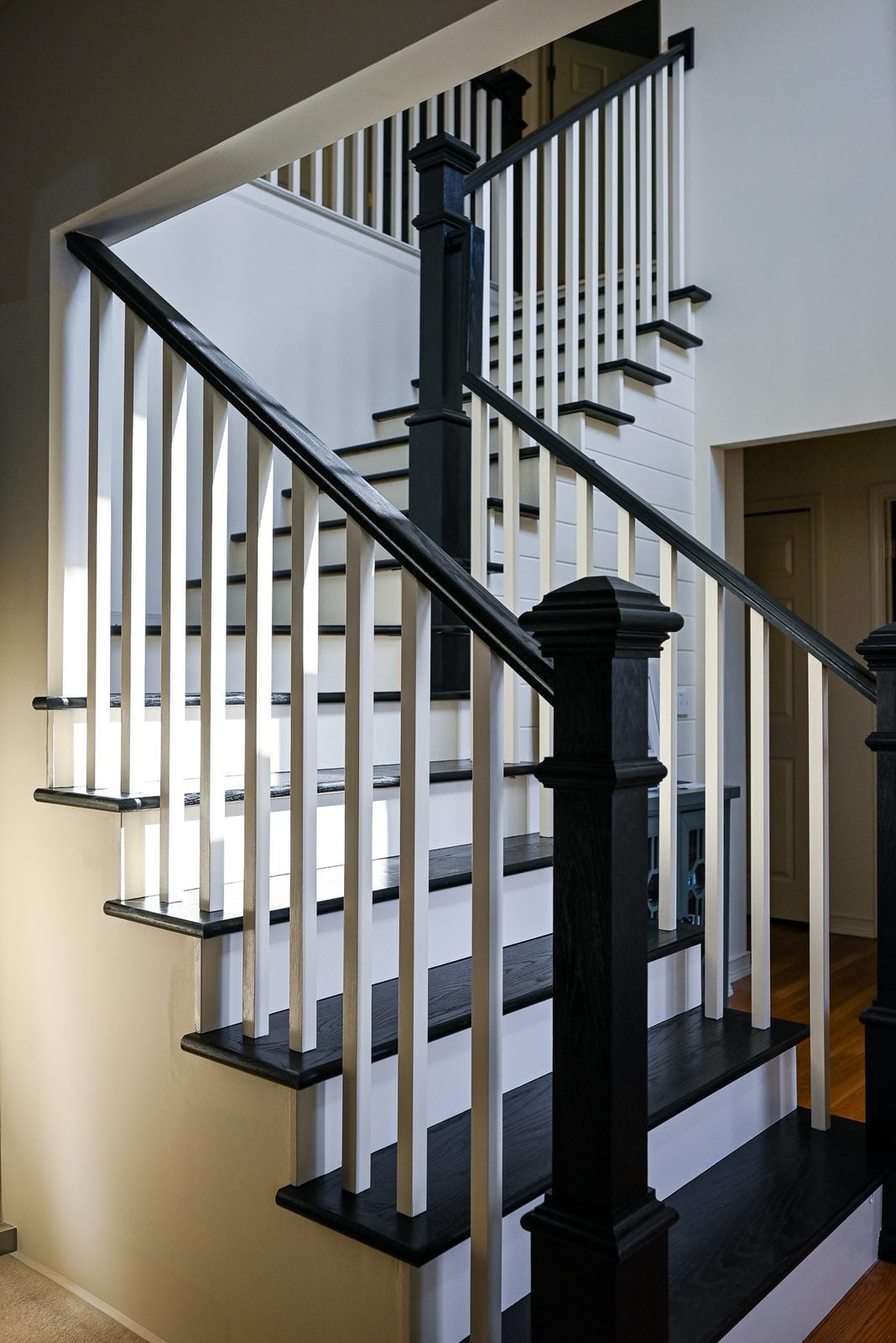 StaircaseYpsilanti, MI
A staircase taken back to its stringers
View project →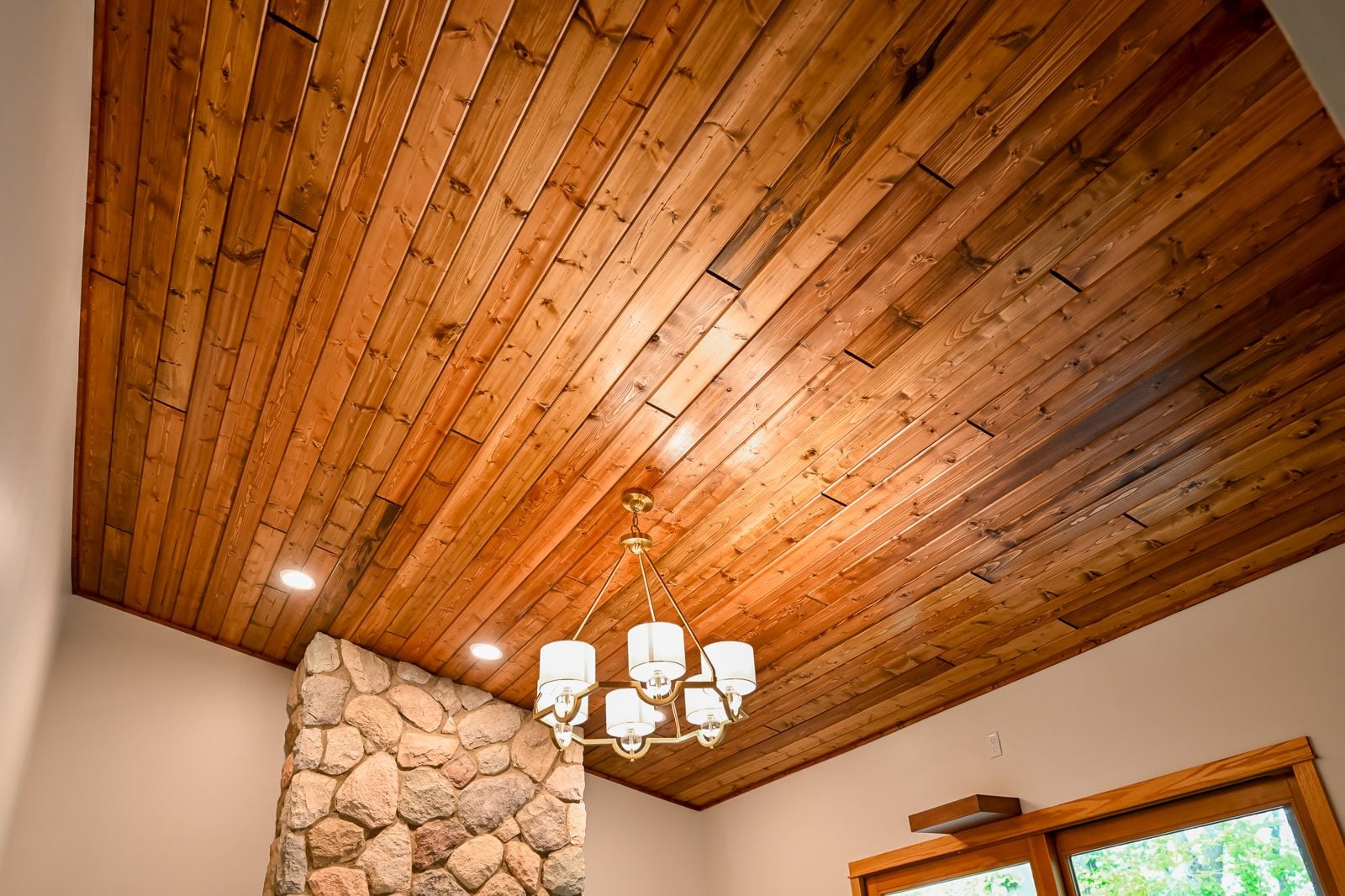 Living roomYpsilanti, MI
A ceiling worth looking up at
View project →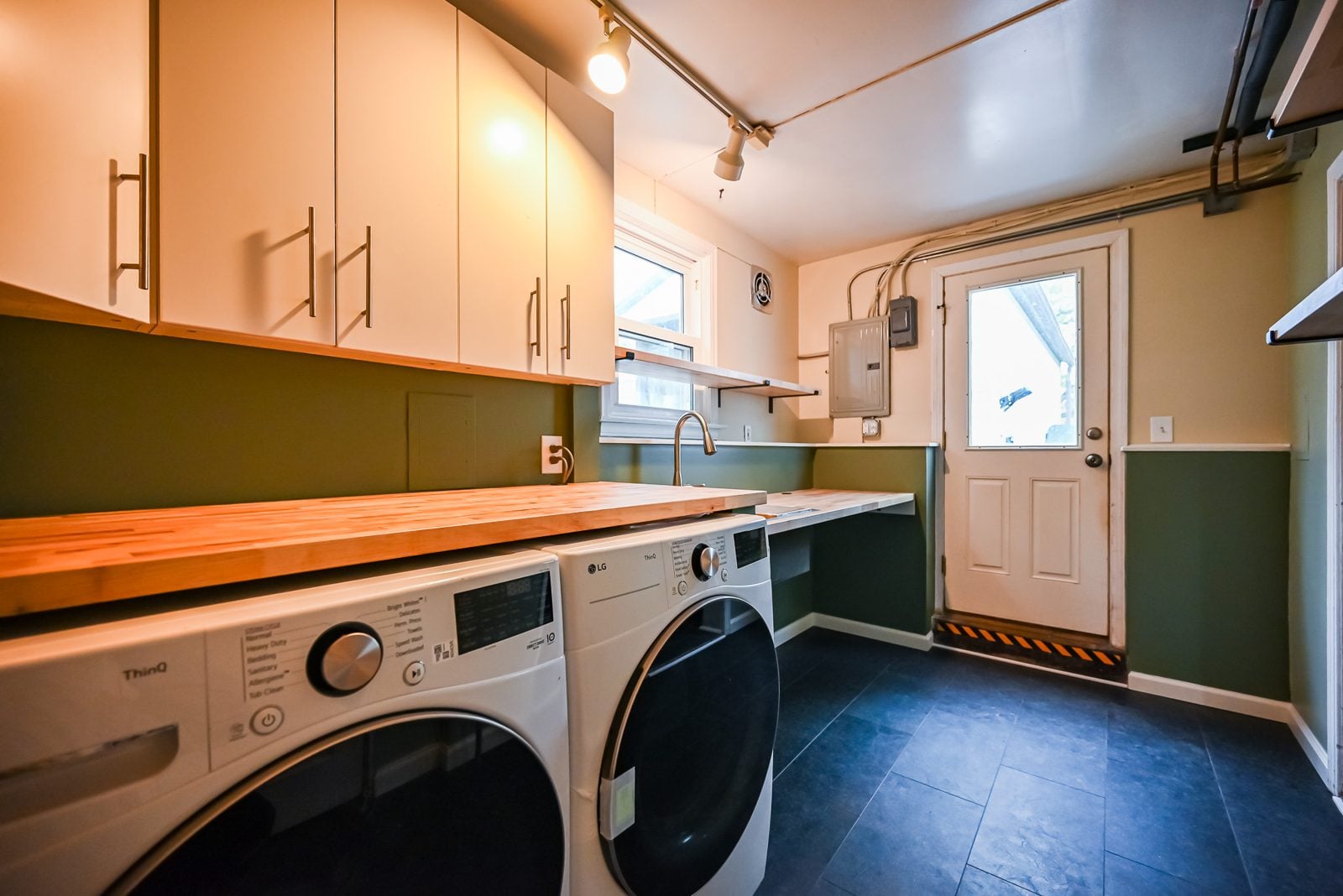 LaundryYpsilanti, MI
Birch counters over a working laundry
View project →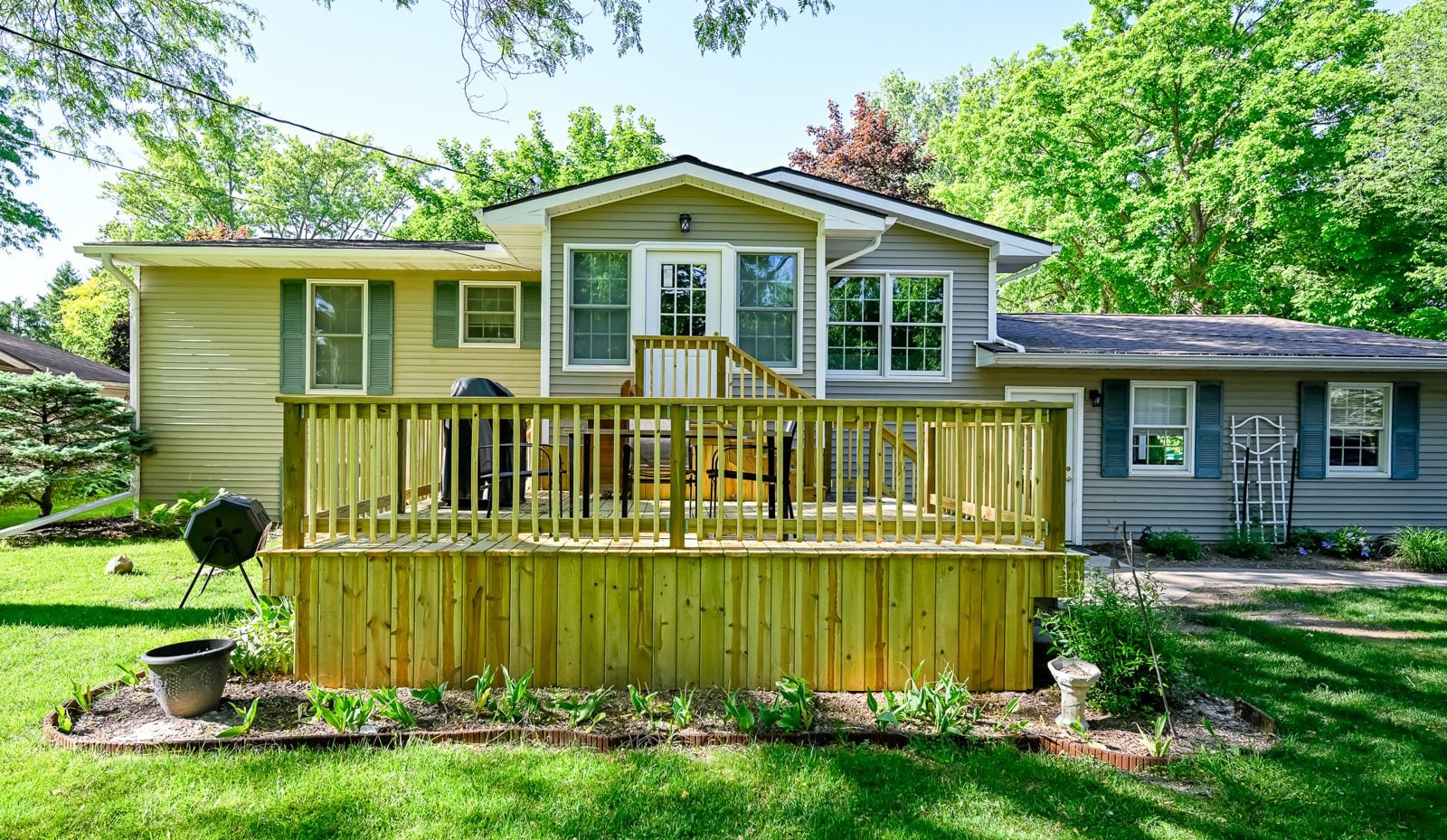 AdditionSaline, MI
House and garage, finally connected
View project →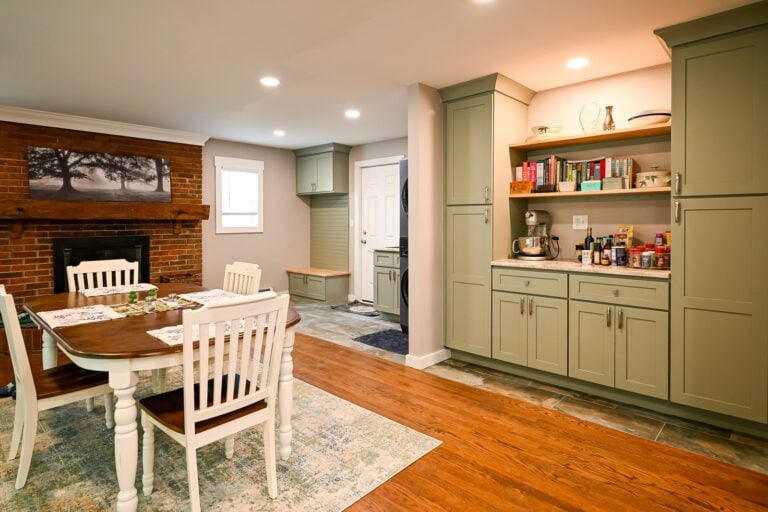 MudroomBrighton, MI
Mudroom, laundry and pantry
View project →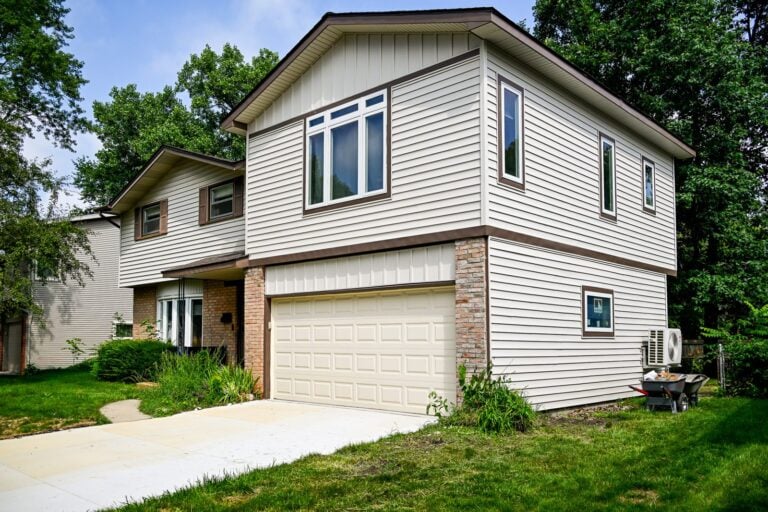 Home officeAnn Arbor, MI
An office and suite over the garage
View project →
Inc. 5000
2026 honoree
Wright’s Renovations
America’s fastest-growing private companies
N°610In the U.S.
N°2In Ann Arbor, MI
N°32In construction
N°10In Michigan