
Ann Arbor, Michigan
Renovations built for how Ann Arbor homes were actually built.
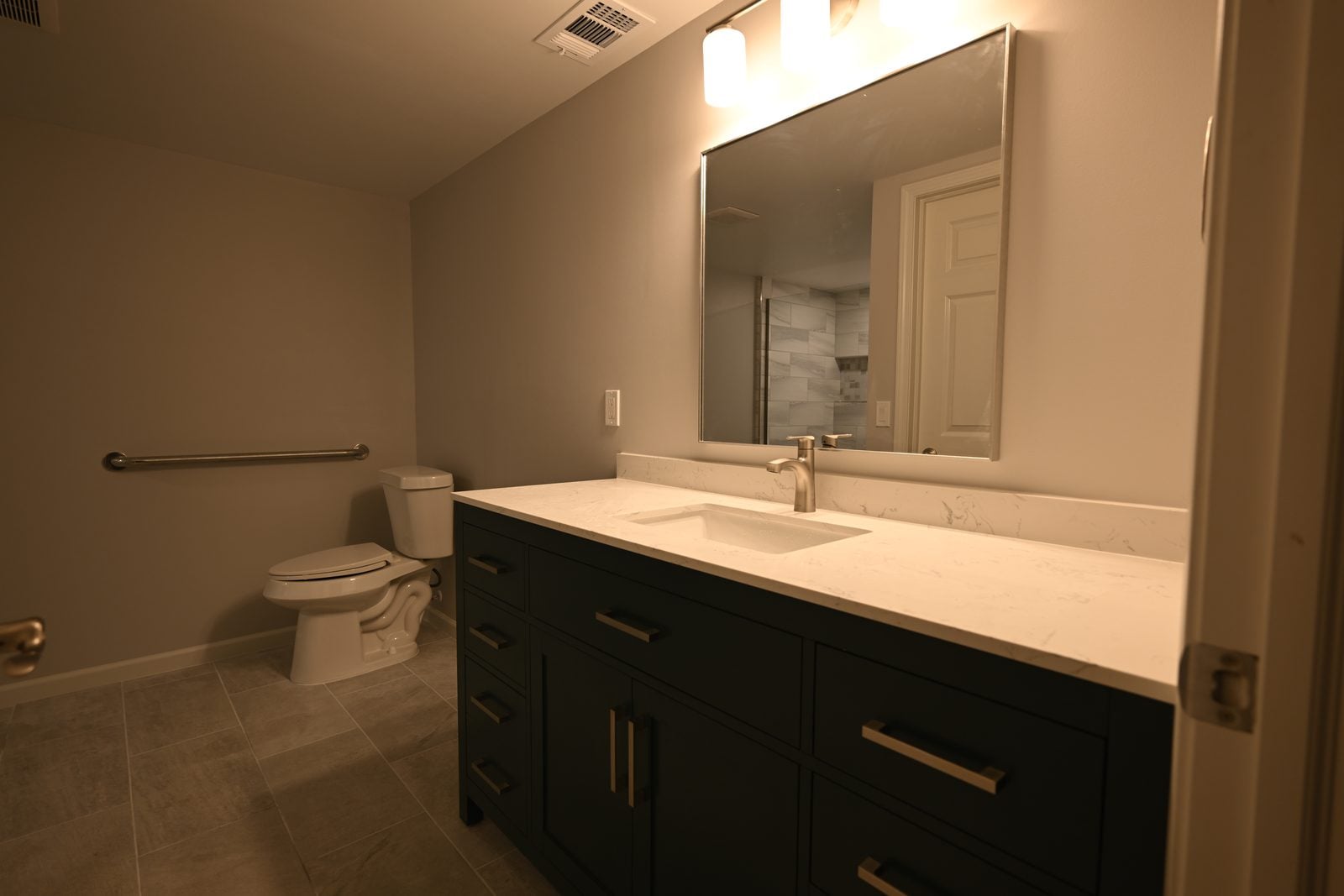
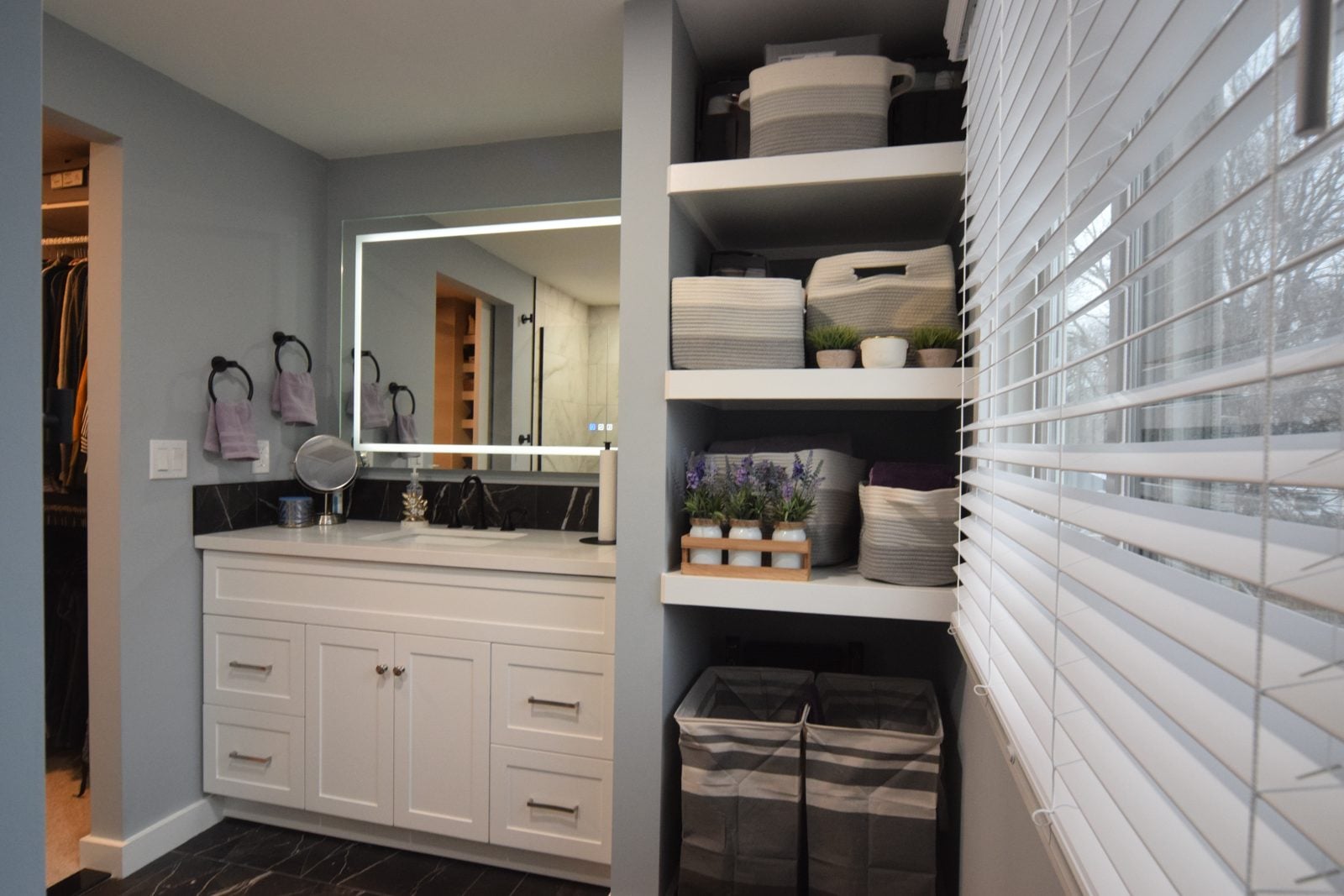
Ann Arbor houses were framed across a full century, from Old West Side four-squares to Ann Arbor Hills ranches, and each era carries its own quirks behind the walls. Wright’s Renovations reads that history before touching a wall, then plans and builds the whole project under one contract. See the full design-build renovation approach that Washtenaw County homeowners rely on for their largest projects. Recent local work sits on the portfolio: a west side basement refresh, a kitchen remodel with a rebuilt stair, and a whole home renovation.
550+ projects completed
5-year workmanship warranty
Licensed builder #262100679
Every Ann Arbor neighborhood renovates a little differently
The right plan for a 1915 house near downtown is the wrong plan for a 1965 ranch on the east side. Wright’s Renovations scopes each project around the block it sits on, the era it was built in, and the way the family actually lives in it. A quick look at how the work differs by neighborhood shows why a single template rarely fits an Ann Arbor home.
Craftsman and Colonial
Burns Park
Established homes near campus with original woodwork worth keeping. Most projects here are period-sensitive kitchen work that opens the plan without erasing the character.
Early 1900s, historic district
Old West Side
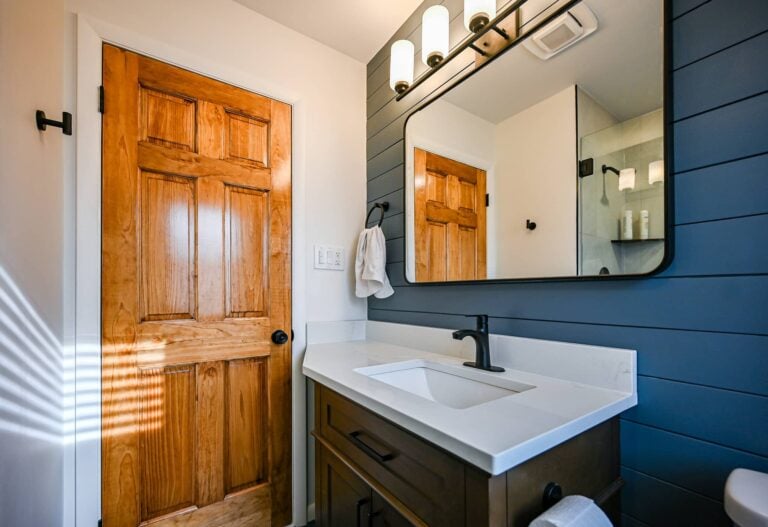
Protected streetscapes and tight lots ask for careful trade sequencing. Wright’s handles bathroom renovations in older homes where plumbing and framing rarely sit where the drawings expect.
Modest early to mid century
Water Hill
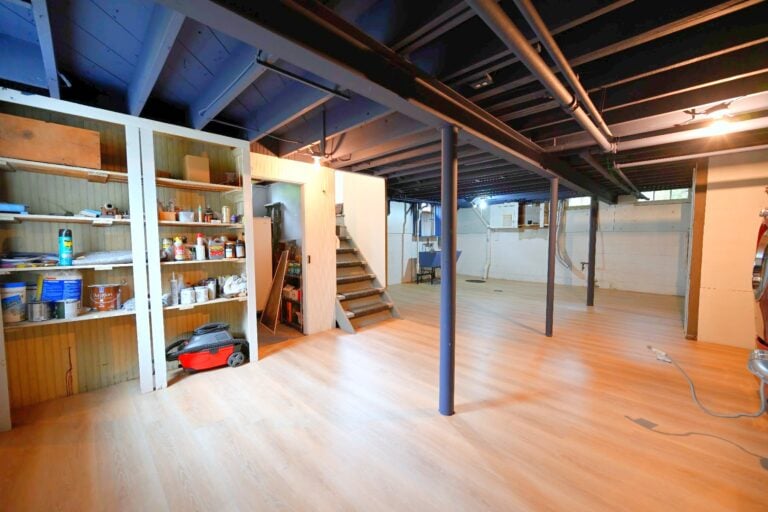
Compact houses with basements that could double the usable square footage. The team focuses on finishing an older basement after the moisture questions are answered first.
Mid-century, larger lots
Ann Arbor Hills
Long ranches and split-levels with room to grow outward or upward. These homes are well suited to mid-century home additions that keep the roofline honest.
Historic, market district
Kerrytown and Old Fourth Ward
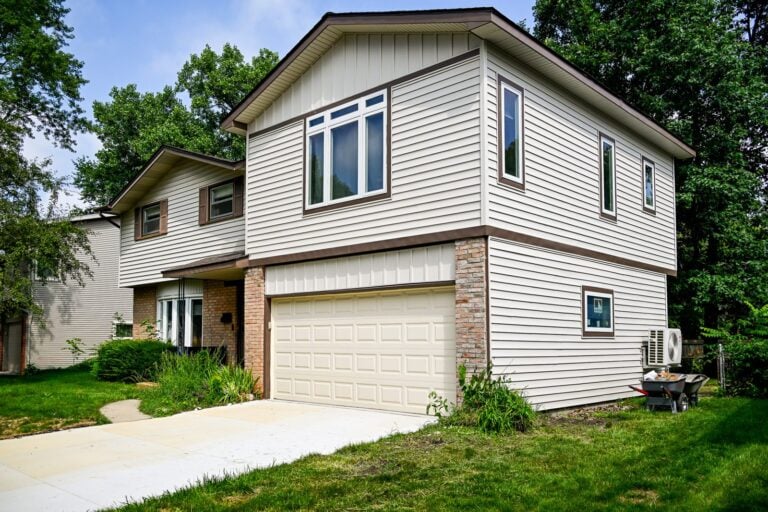
Two-story homes where families want more space without leaving the neighborhood. Wright’s designs second-story additions that carry the existing rhythm of the street.
Mixed eras, near downtown
Old Fourth and downtown edges
Interiors that feel chopped into small, dark rooms. The fix is usually living room and built-in work paired with the structural planning to remove a wall safely.
Services available in Ann Arbor
One team designs and builds every project below. That means the estimator, the designer, the project manager, and the crew all work from the same set of drawings and the same budget, so nothing gets lost in a handoff between separate companies. Each service is available to homeowners anywhere in Ann Arbor and the surrounding Washtenaw County communities.
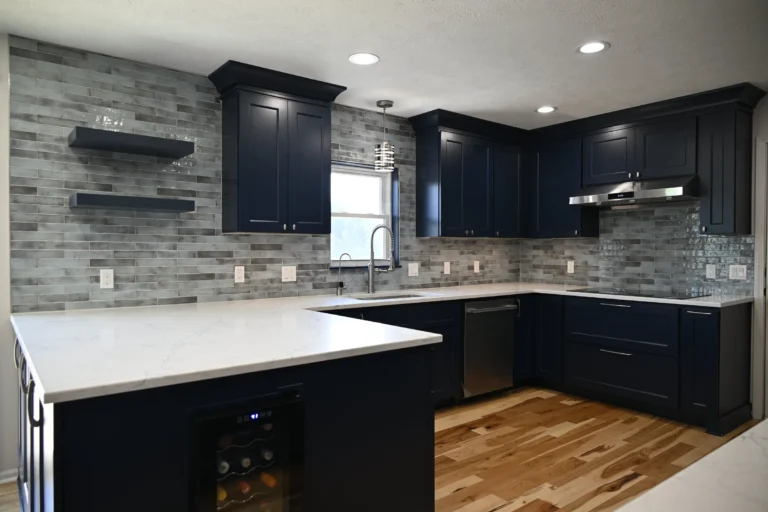
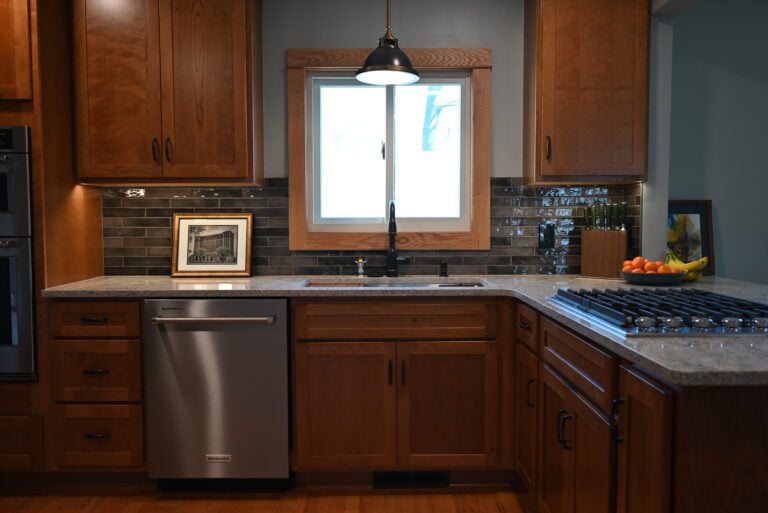
Kitchen remodeling
Custom cabinetry, quartz and stone counters, and layouts that open a closed kitchen to the rooms around it.
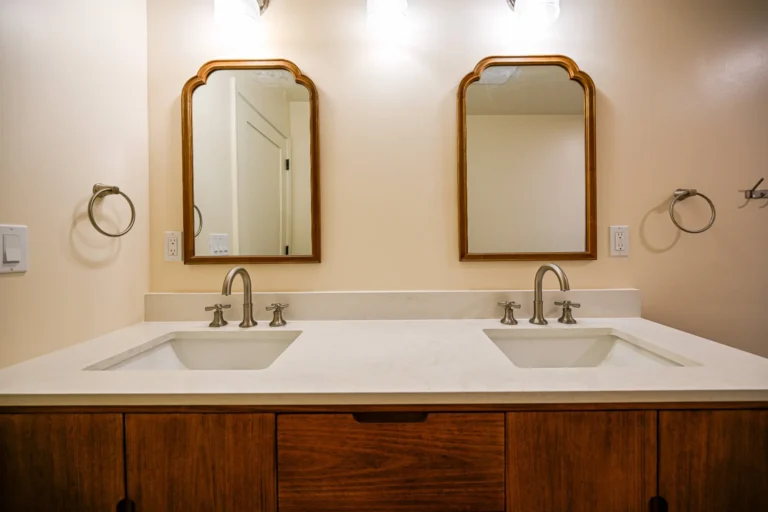
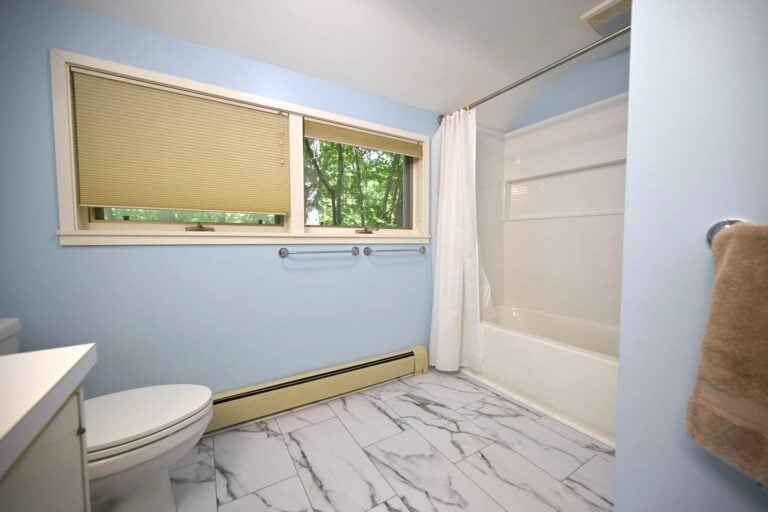
Bathroom remodeling
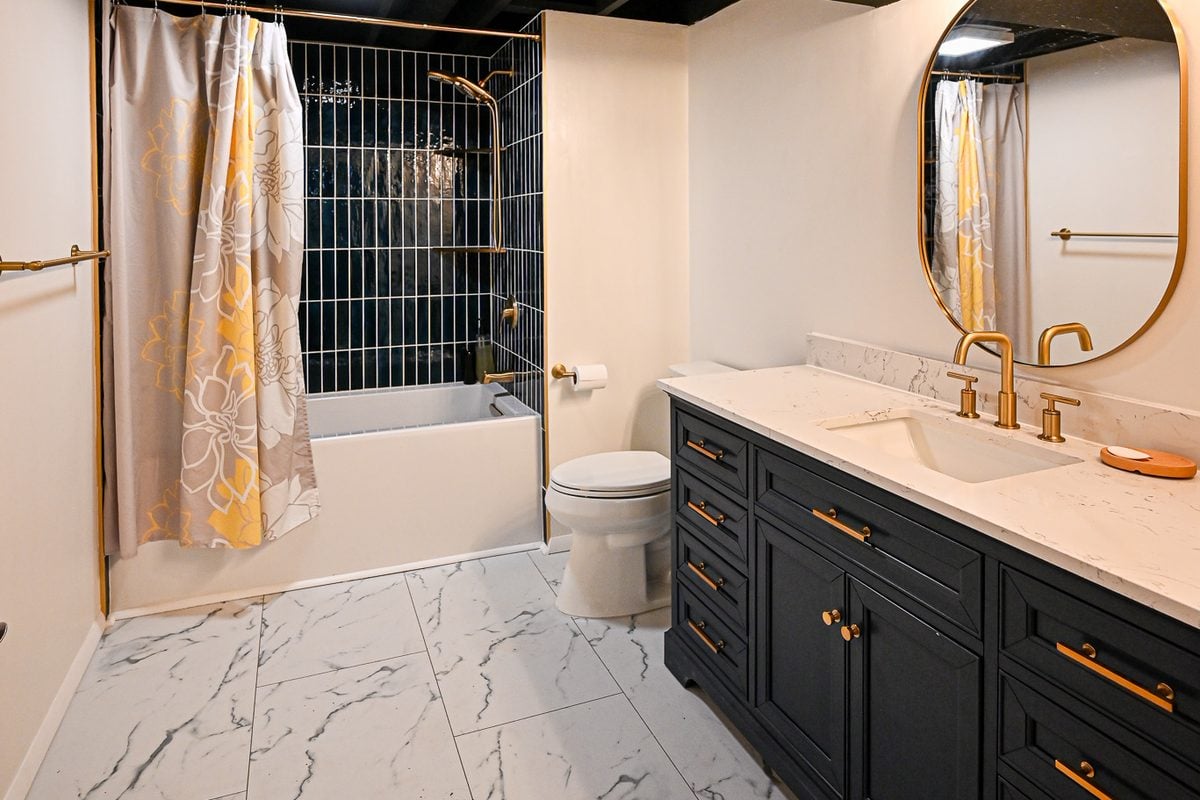
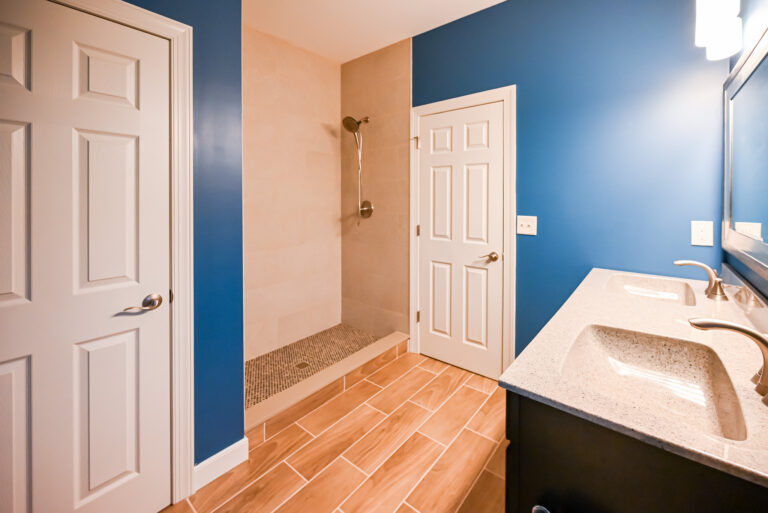
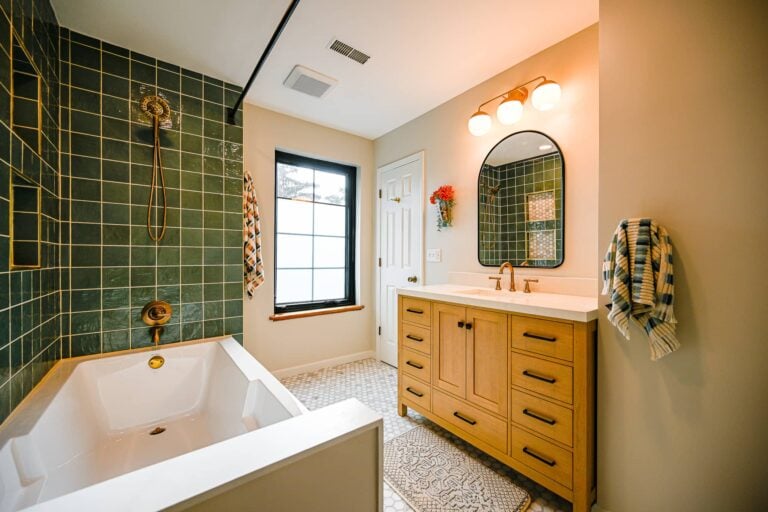
Walk-in showers, double vanities, heated tile floors, and ventilation built for Michigan humidity swings.
Basement finishing and remodeling
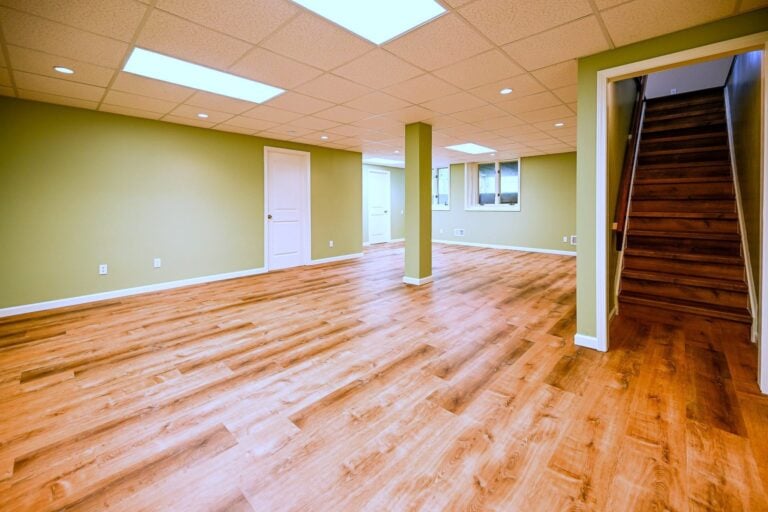
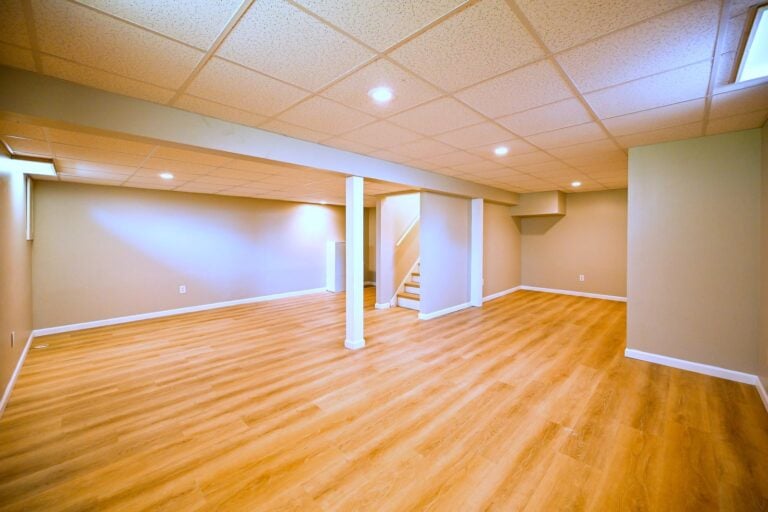
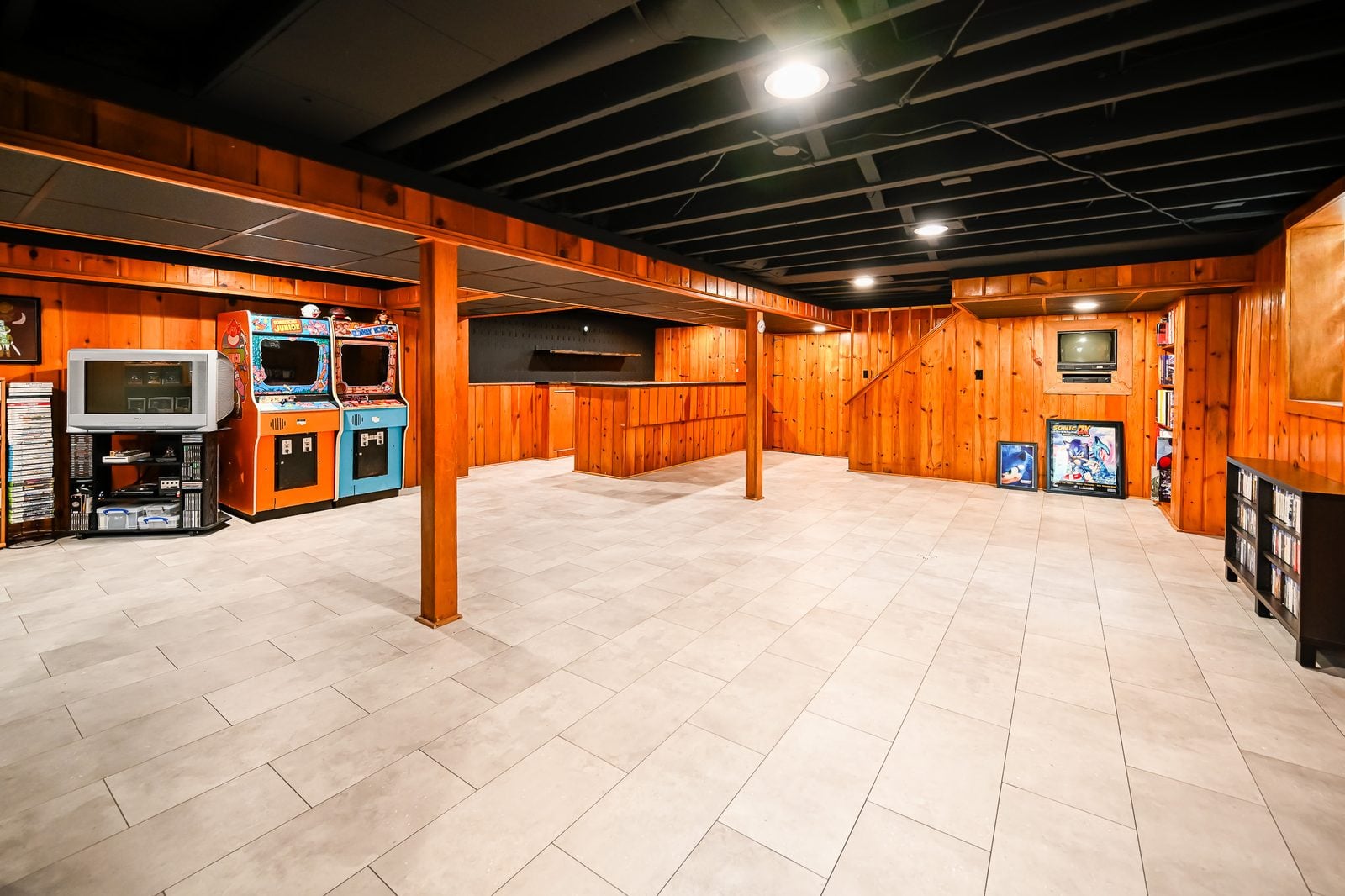
Family rooms, guest suites, egress windows, and moisture control that keeps a finished basement dry for the long run.
Home additions
Bump-outs, in-law suites, and full wings drawn to match the existing house rather than sit beside it.
Deck building
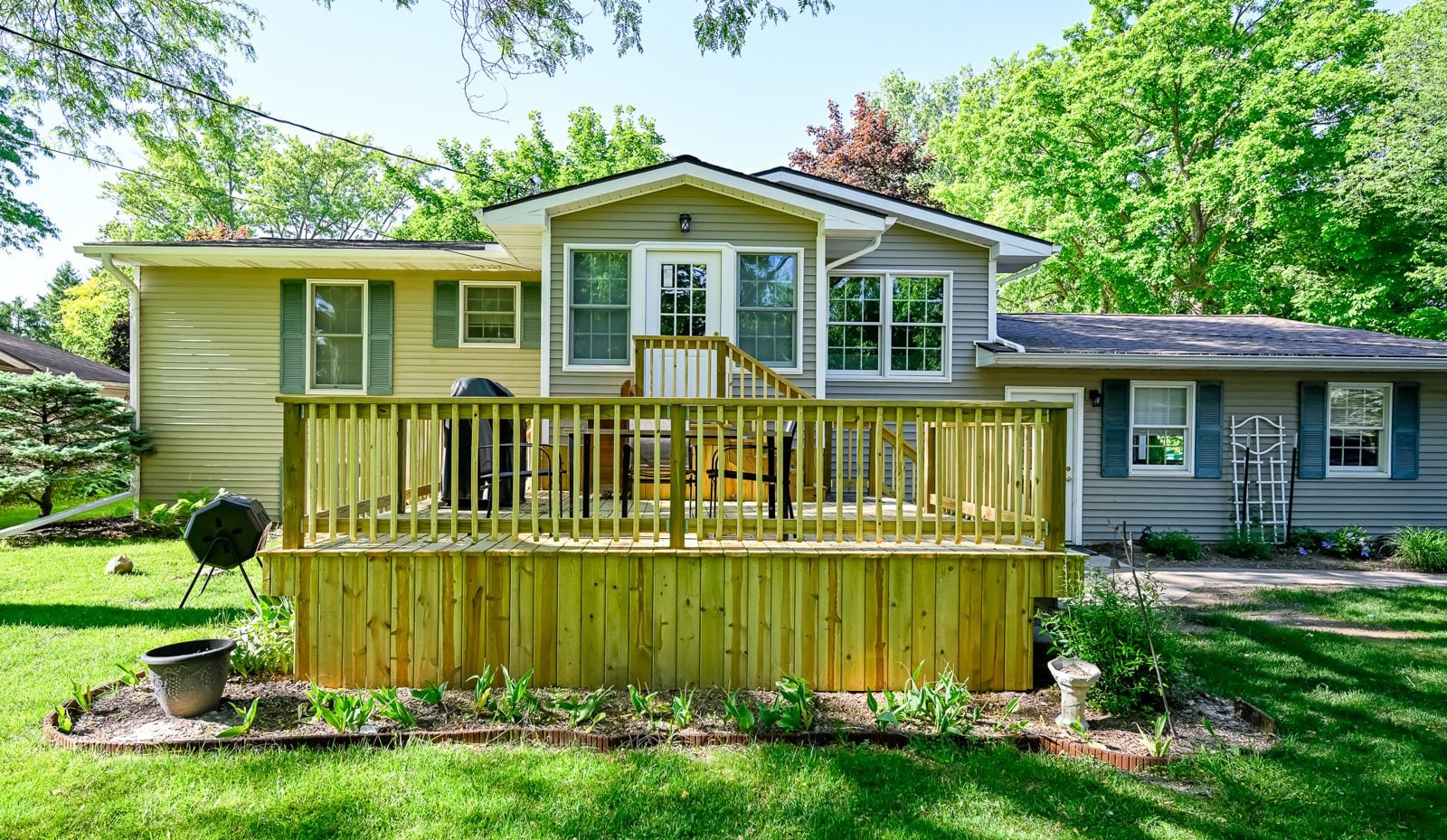
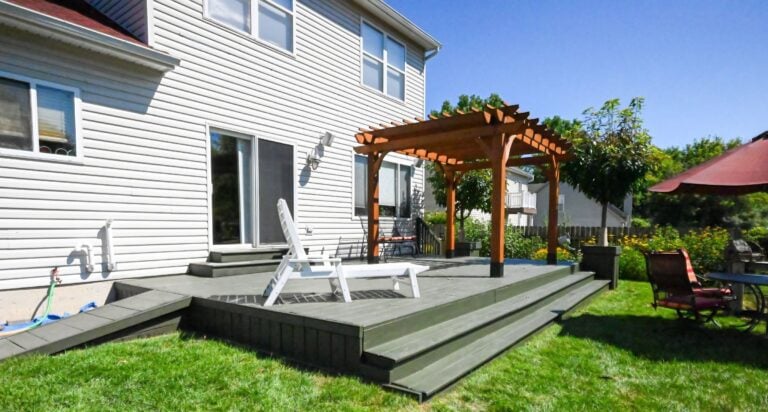
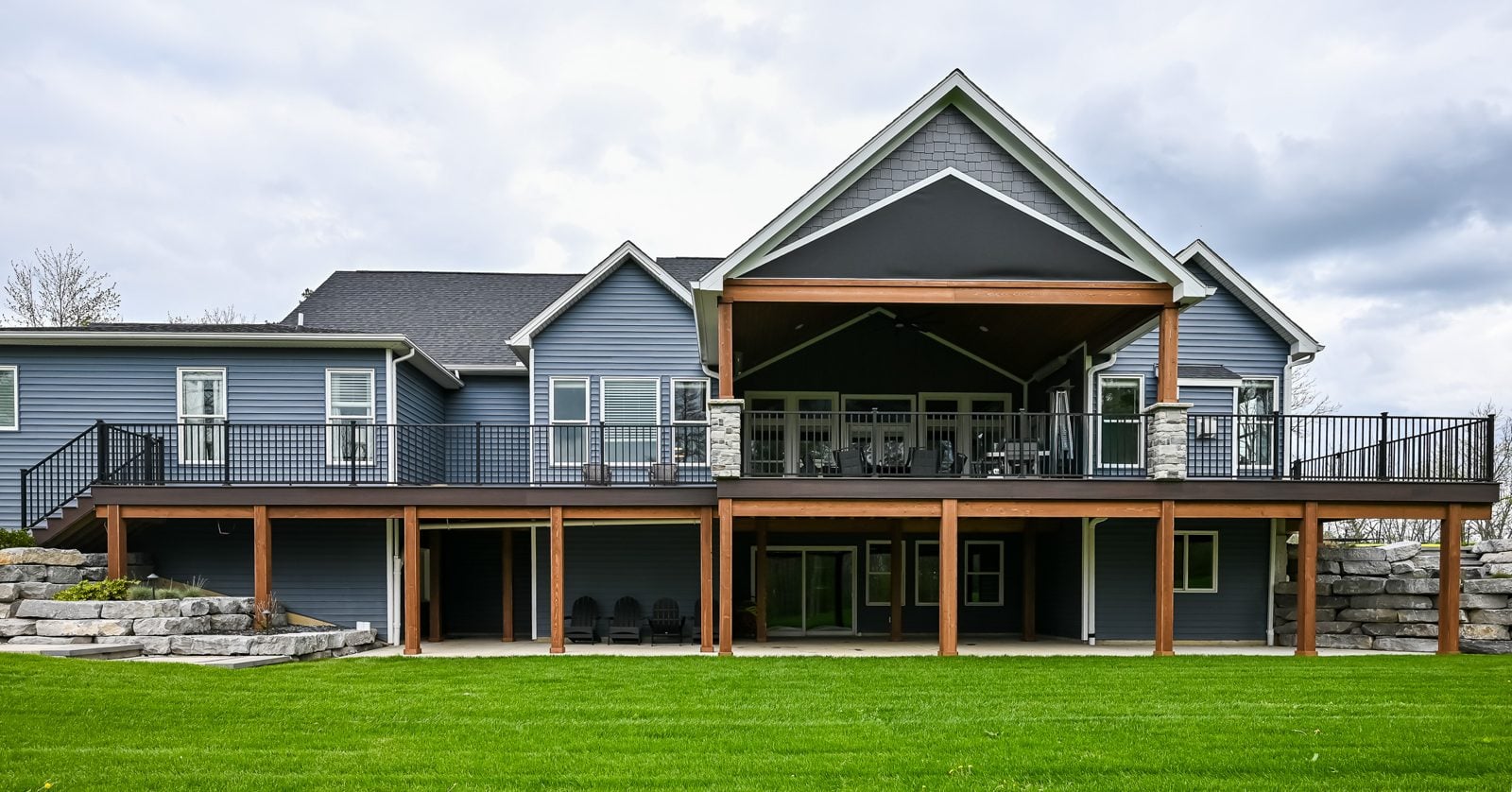
Composite and wood decks, screened porches, and outdoor rooms engineered for four Michigan seasons.
Whole-home remodels
Gut renovations and phased transformations that touch every room, scheduled so the house stays livable.
What a Wright’s renovation looks like
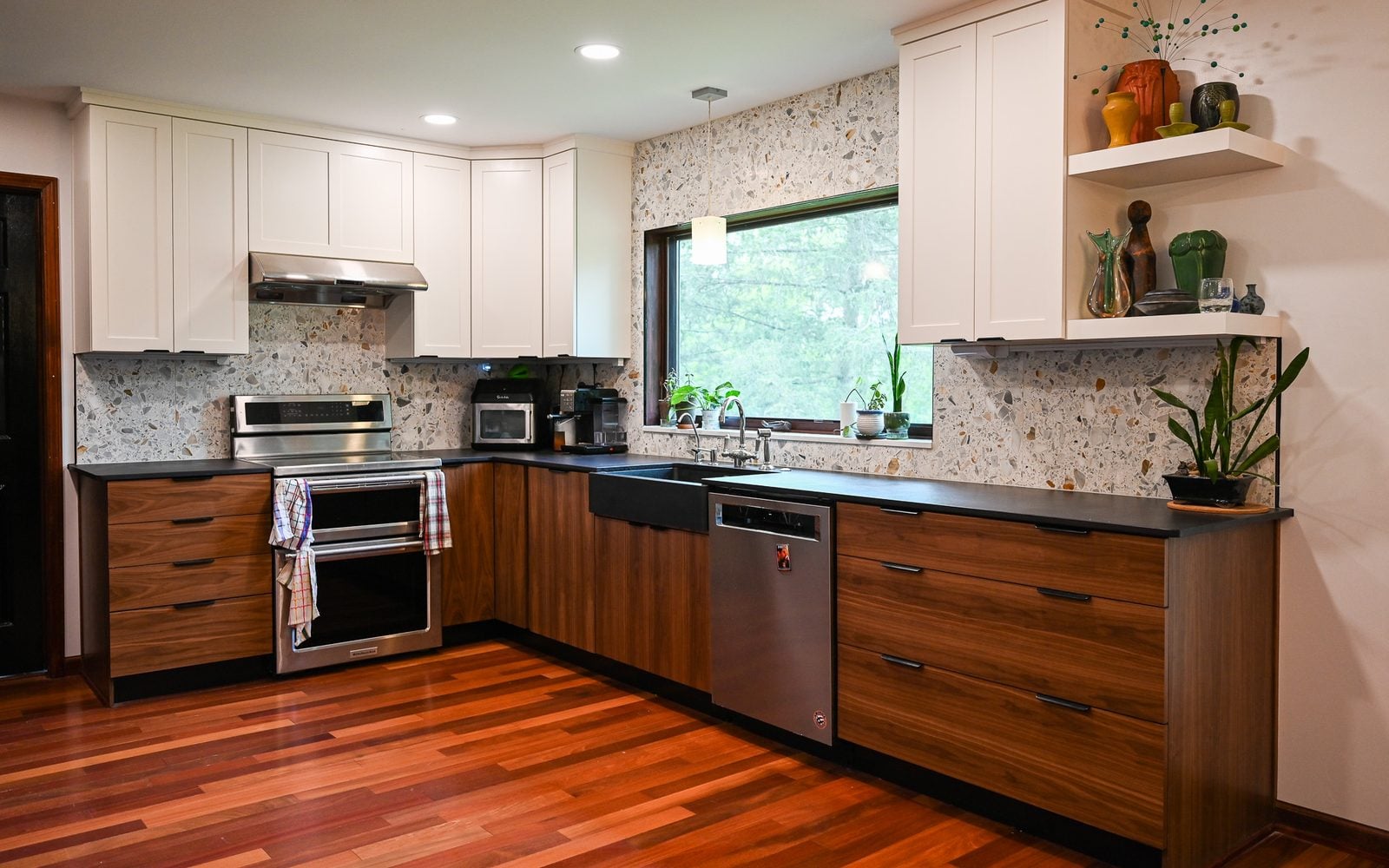
The photos below show the level of finish the team builds toward on Ann Arbor kitchens, living spaces, and additions. Materials and layout are chosen for each house, so no two projects read the same.
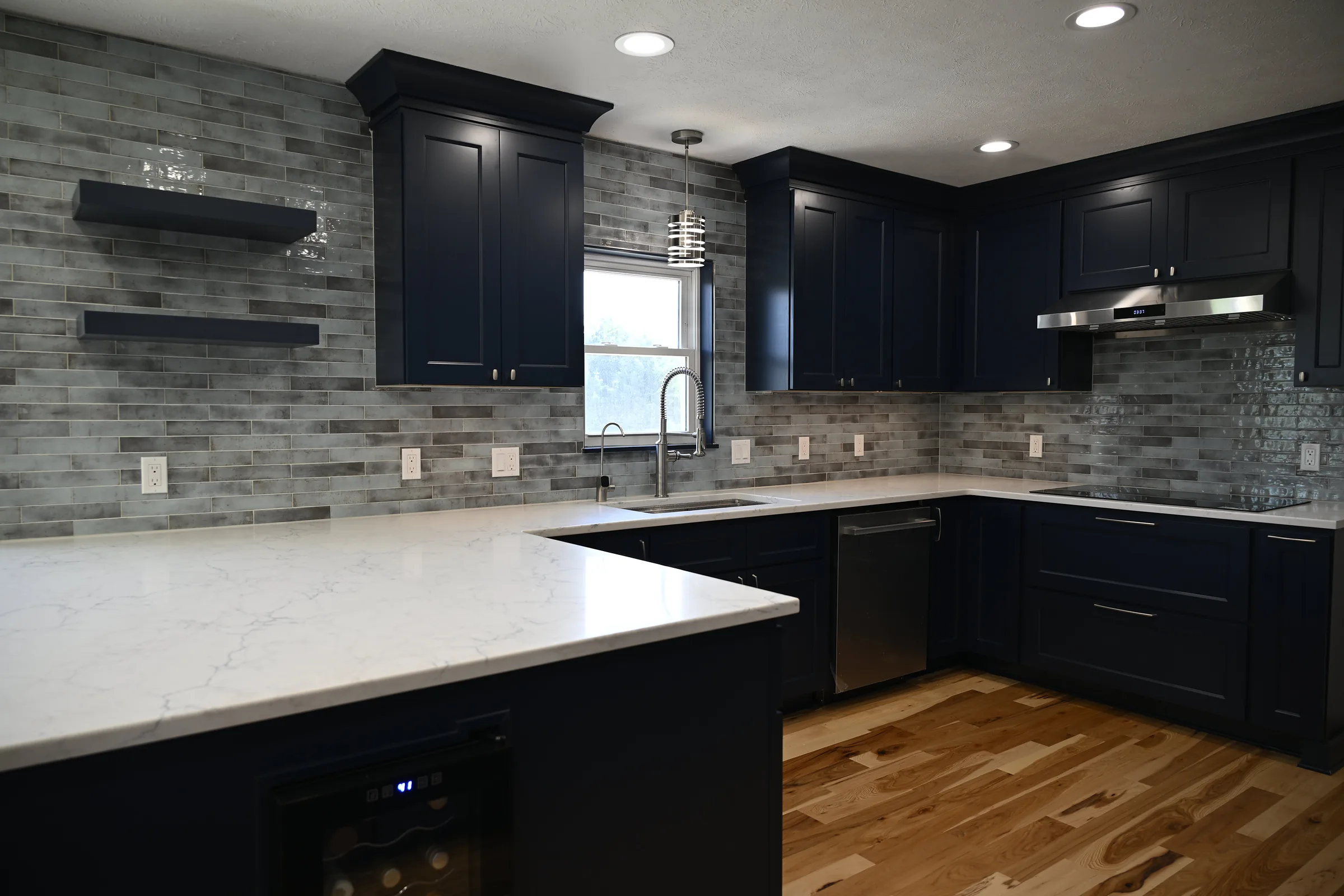
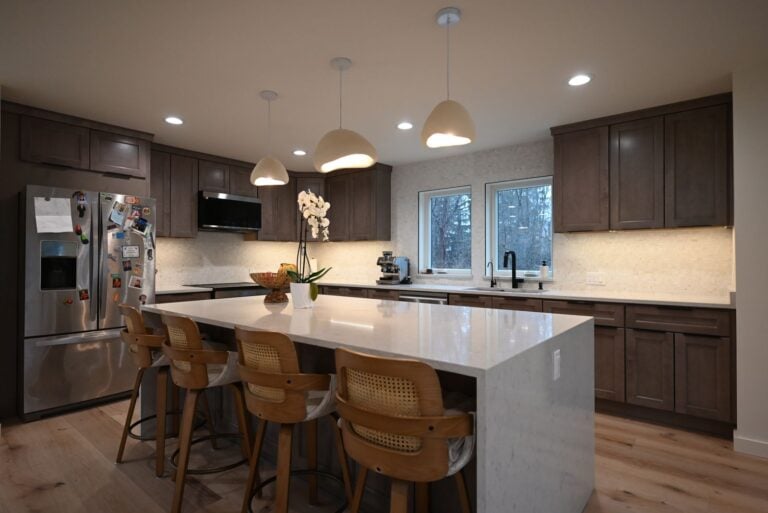
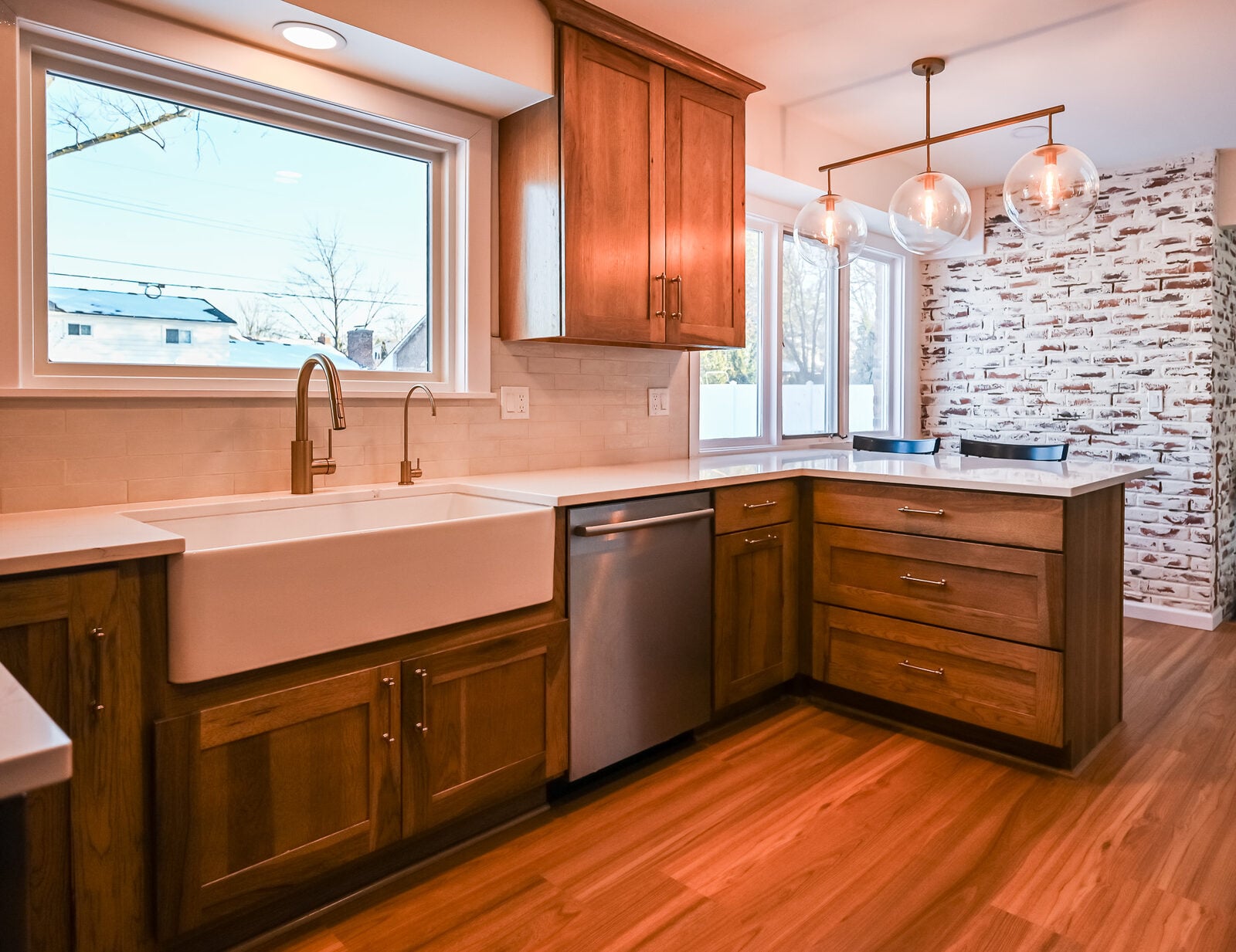
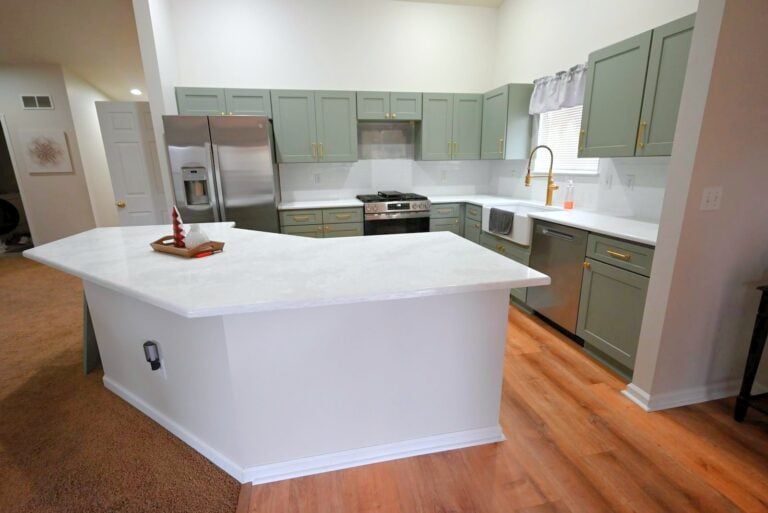
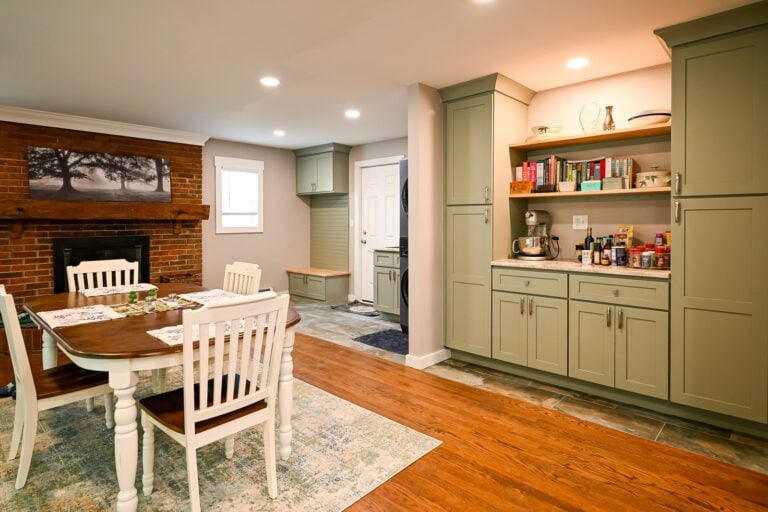
Custom cabinets, quartz counters, and an island sized to the room.
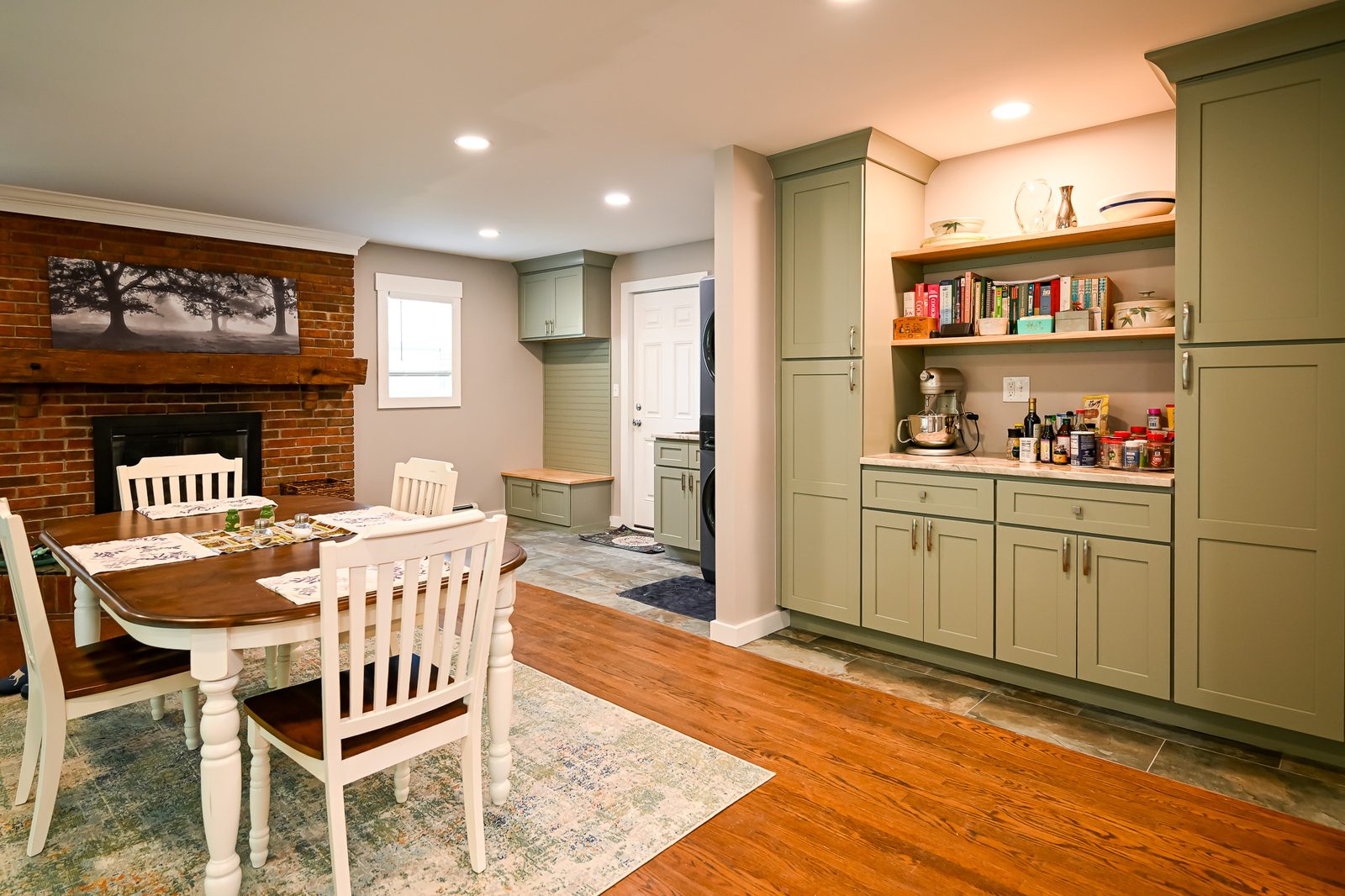
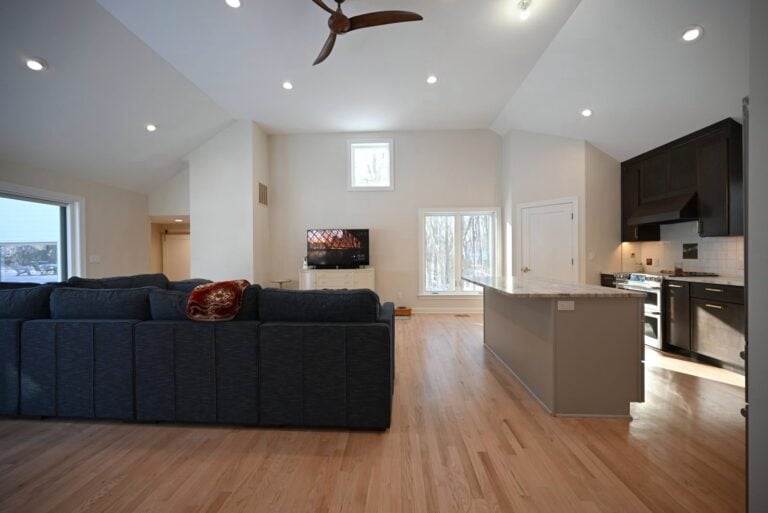
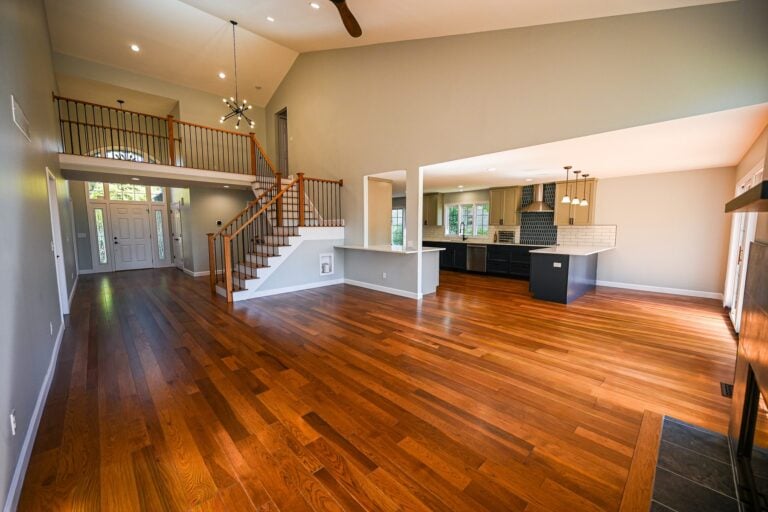
Main floors reworked so the kitchen connects to the living space.
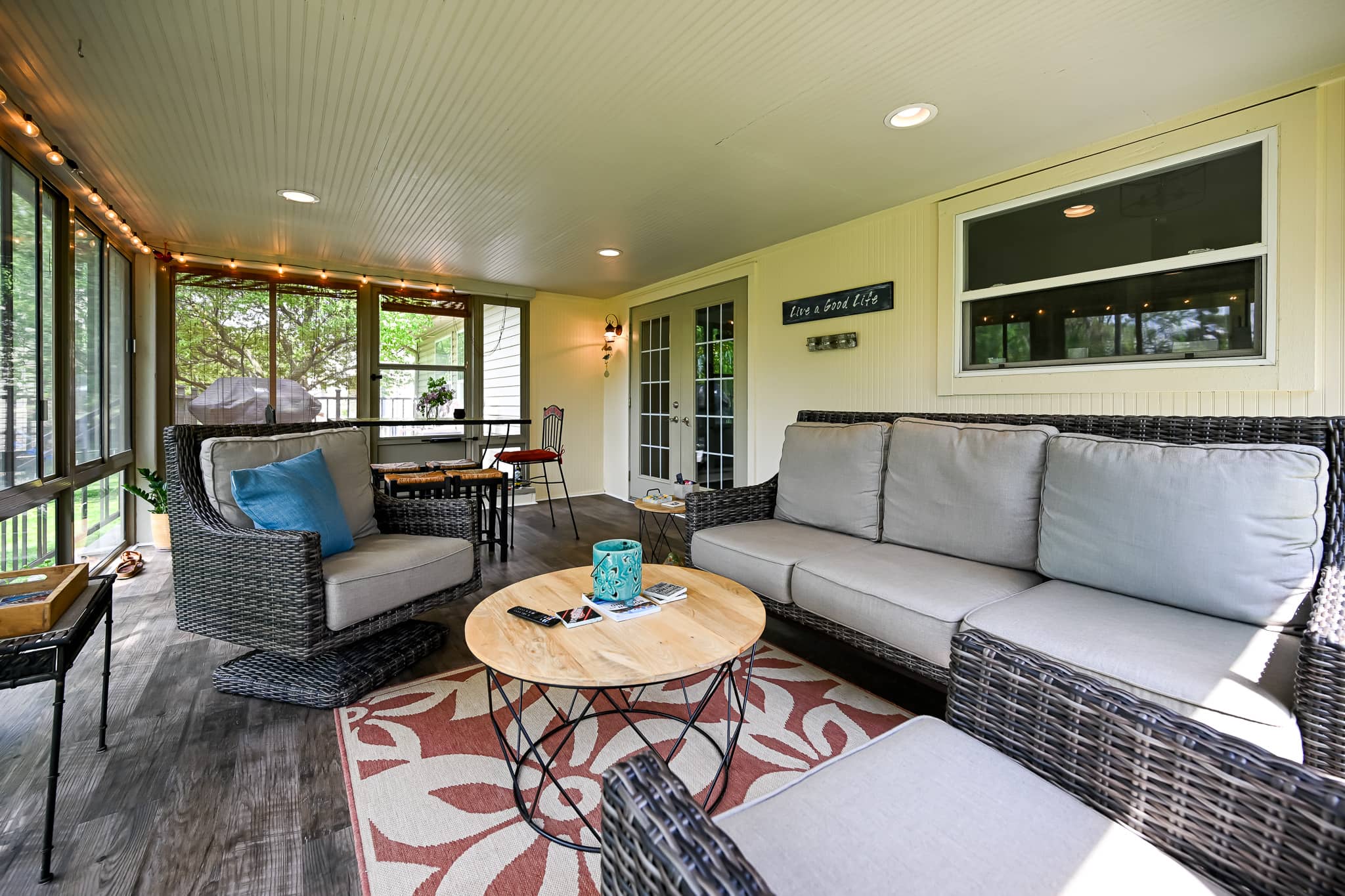
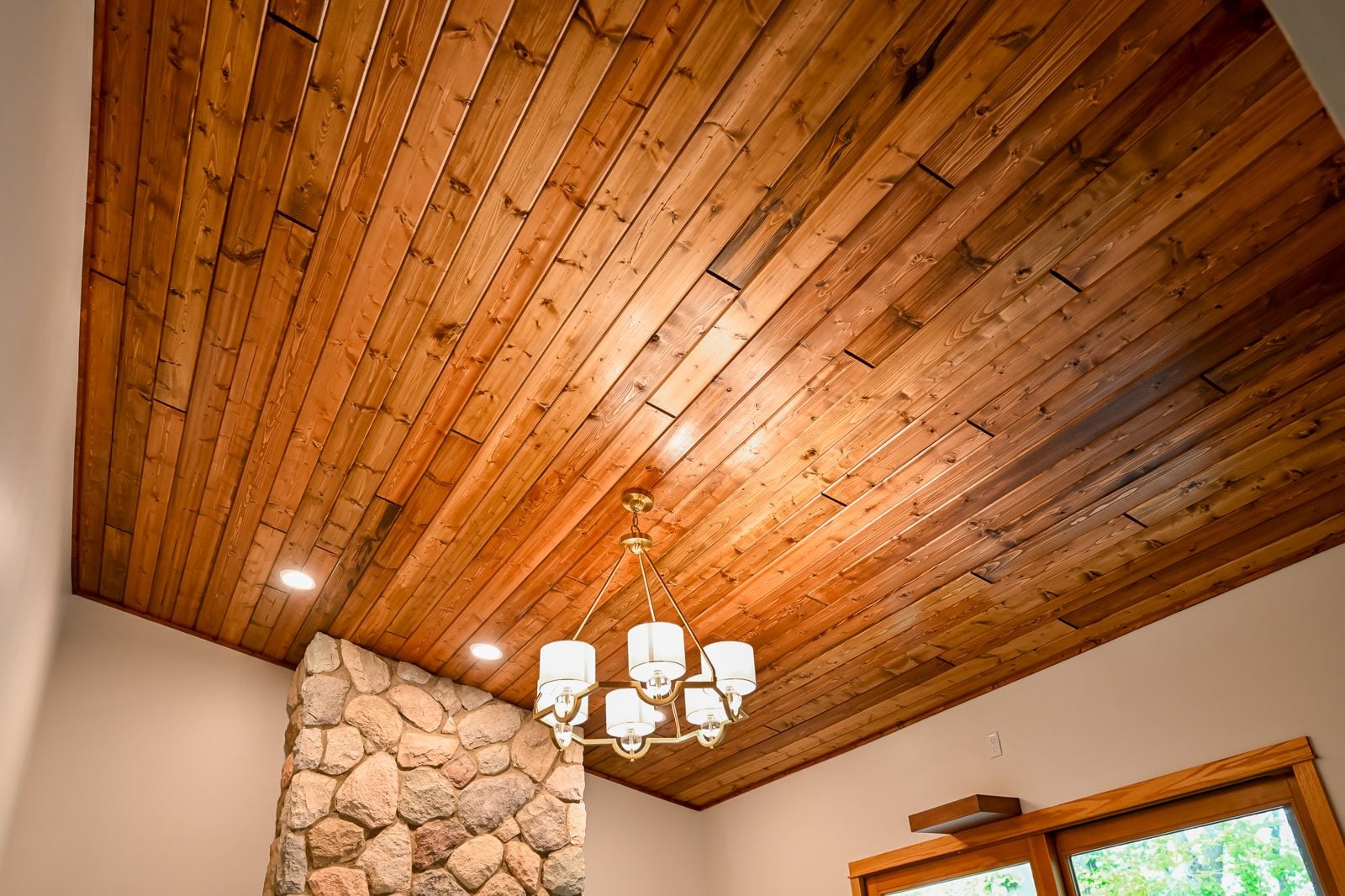
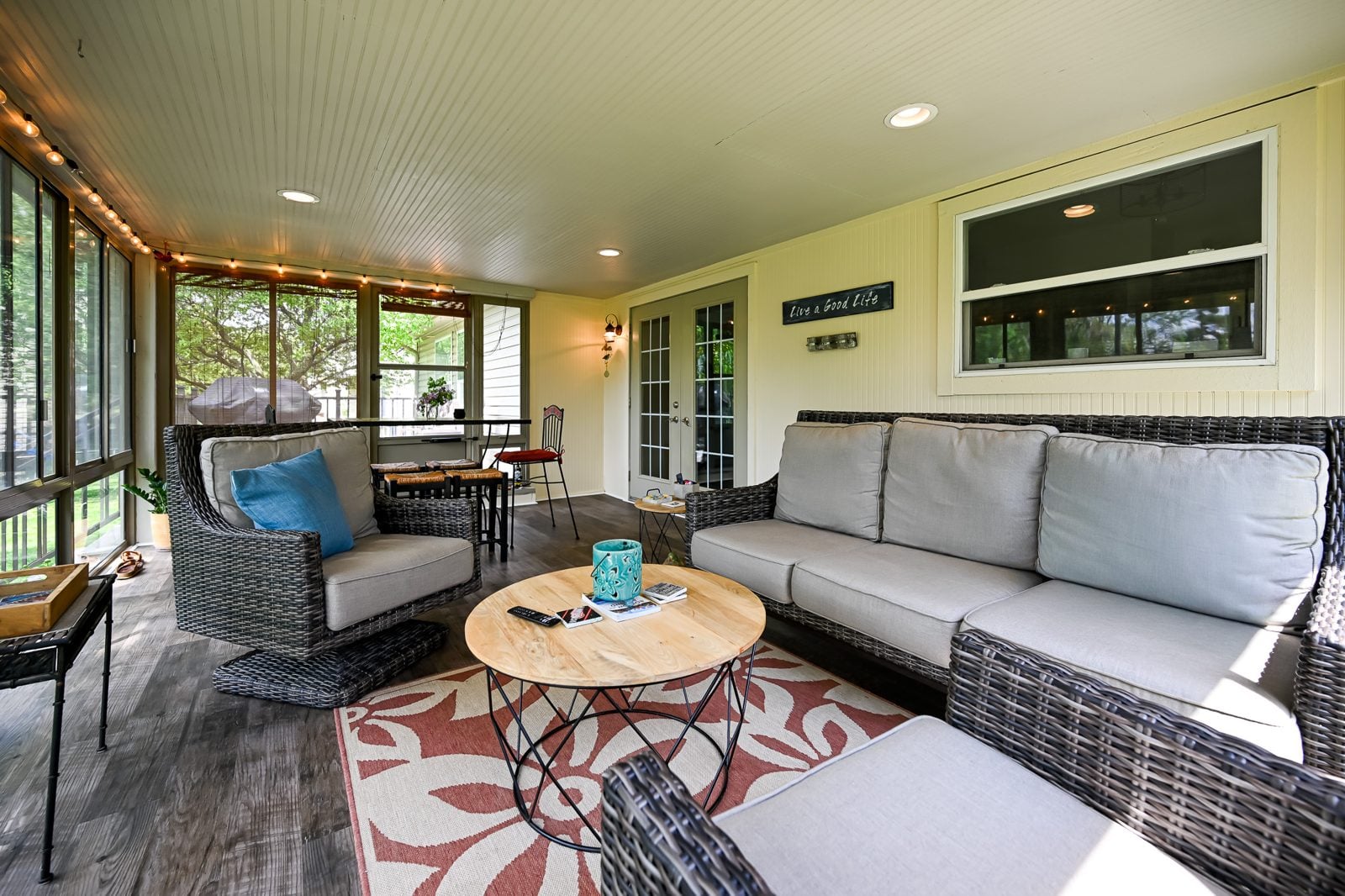
Three-season rooms and stone fireplaces built for Michigan.
How the work runs
A Wright’s project in Ann Arbor follows one shape
Every project runs the same four stages, scaled to the size of the work. The estimate is itemized to the dollar, the schedule ties payments to real milestones, and the plan is set before demolition starts. It begins with an in-home consultation at no cost.
01
Consultation
A 60 to 90 minute conversation in the home. The team walks the space and says plainly what is feasible at what budget.
02
Design and estimate
Designers and project managers build the scope, materials, and schedule into one itemized estimate. Every line, every week, on paper.
03
Build
Contract signed, start date confirmed, deposit paid. Daily photos and a live budget track the job from framing through finish work.
04
Walkthrough
A final walk confirms every detail, then the 5-year workmanship warranty starts on top of manufacturer coverage.
Why Ann Arbor homeowners work with Wright’s
Ann Arbor has no shortage of contractors. What sets Wright’s Renovations apart is a design-build model where one team owns the outcome, so there is no finger-pointing between trades and no scope surprises on day 60.
That single line of accountability matters most on the older homes that fill Ann Arbor’s core neighborhoods. When the designer, the estimator, and the crew answer to the same project manager, a surprise behind a wall becomes a scheduling note instead of a change-order fight. The plan bends without the budget breaking.
The same standard carries into other work across the region, from commercial renovations to outdoor living and decks. It is the reason homeowners across Washtenaw County hire the team for their largest projects.
One team, one contract
Designer, project manager, and crew work under a single agreement. There are no handoffs between separate companies, and no gap where one trade blames another for a delay.
A live project dashboard
Homeowners see the schedule, budget, change orders, and daily photos in the same view the project manager uses. Nothing about the job is hidden behind a phone call.
Five-payment milestone schedule
Payments tie to real construction milestones, written into the contract up front rather than requested on the fly. A family always knows what the next payment covers.
Licensed and warrantied
Michigan Residential Builder License #262100679, backed by a 5-year workmanship warranty on every project, on top of the coverage that comes with the materials.
What renovating an older Ann Arbor home involves
Most Ann Arbor houses were built decades before the current code cycle, and that history shapes a renovation more than any single design choice. A plan that ignores the age of the structure tends to run into surprises once the walls open. Wright’s Renovations reads those conditions on the first visit and prices the work plainly, so the number on paper is the number the family pays at the end.
City permits
Permits and inspections
Ann Arbor issues its own building permits, and larger projects trigger separate electrical, plumbing, and mechanical inspections along the way. Wright’s pulls every permit under its own license and schedules each inspection around the build calendar, then logs the sign-offs in the same dashboard the family uses to follow the budget. Before a start date is set, the team will map out the permit timeline.
Behind the walls
What older homes hide
Plaster and lath, knob-and-tube wiring, cast-iron drains, and framing that has settled over a century are all common in these homes. None of it rules out a renovation, but each one changes how the scope is priced and sequenced. That is why the estimate for an older house reads differently than a quote for new construction, and why a basement finish that stays dry starts with the conditions, not the finishes.
Michigan seasons
Timing the build
Season affects sequence. Exterior work such as additions, decks, and roofing lands best from late spring through fall, while kitchens, baths, and basements run well through the winter months. Families who book the design phase a season early tend to land the start date they want, and a winter planning conversation often sets up a deck framed for four seasons by the following summer.
Renovation priorities in Ann Arbor homes
Renovation goals in Ann Arbor tend to cluster around a few recurring needs. Some families want a floor plan that fits the way they live now. Others need room for a household that is growing or changing. The projects below come up often across Washtenaw County, and each one is scoped around the specific house rather than a stock template.
Everyday living
Opening up a closed plan
Older Ann Arbor homes were built with small, separate rooms, which can leave a main floor feeling dark and chopped up. Removing the right wall changes how the whole level lives, though it takes structural planning to do safely. That planning is usually where a more open kitchen layout begins for a family near campus.
Room to grow
Space for a growing family
Families who love the neighborhood but need more space have two workable paths: build out or build up. Both keep roots in place while adding the bedrooms, baths, or work space a household has outgrown. A common first move is an updated primary bathroom planned alongside a modest addition, so the two projects share one design.
Multi-generational
A suite for extended family
More Washtenaw County households now plan for aging parents or adult children living under one roof. A lower level is often the most practical place to add a private bedroom, full bath, and sitting area with its own entrance. Done well, a finished basement guest suite adds real living space without changing the home’s footprint.
Before you start
Questions Ann Arbor homeowners ask
Renovating an older home is a big decision. These are the questions the team hears most often from Washtenaw County families.
Do Ann Arbor historic districts affect my project?
They can. Homes in the Old West Side and Old Fourth Ward historic districts follow additional review for exterior changes visible from the street, such as window replacements, porch work, and siding. Interior work usually moves faster because it falls outside that review. Wright’s Renovations handles the City of Ann Arbor permit process and folds any historic review into the schedule before the start date is confirmed, so the approval step never becomes a mid-project surprise.
How long does a renovation take in an older home?
It depends on scope. A single bathroom runs a few weeks; a full addition runs several months. Older Ann Arbor homes add time because framing, wiring, and plumbing rarely match the original drawings, and that gets discovered once demolition starts. That is why the schedule is built out during design instead of guessed at the start. See how a whole-home remodel is scheduled so a family knows what week they are in the entire way through, from the first inspection to the final walkthrough.
Can my family stay in the house during the work?
In most cases, yes. The team phases the work so the house stays livable, isolates dust with temporary barriers, and protects finished areas from foot traffic. Kitchens and primary baths are the hardest rooms to lose, so those phases are planned with a temporary setup in mind. For larger projects like adding a second story, the plan spells out which rooms stay in use and when. That sequencing is agreed on before demolition begins, not improvised later.
How does Michigan weather change the plan?
Climate drives real decisions here. Bathrooms need ventilation sized for humid summers so moisture does not sit in the walls. Basements need moisture control handled before any finishing goes in, or the finish work will not last. Entryways take a beating from snow and road salt, which is why many families add mudroom and entry storage during a larger renovation. Insulation and window upgrades also come up often, since a warmer, tighter house is cheaper to run through a Michigan winter.
What does a renovation cost in Ann Arbor?
Cost tracks scope, materials, and the condition of the existing house, so a number without a walkthrough is a guess. Wright’s Renovations gives an itemized estimate after the design conversation, not a rough range over the phone, because the range so often changes once the real conditions are known. The fastest path to a real figure is to review a specific Ann Arbor project type and then book a consultation, where the team can price the actual house instead of a hypothetical one.
Who actually does the work on my home?
One team, coordinated by a single project manager. The designer, estimator, and crew all work from the same drawings and the same budget, and specialty trades are managed by that project manager rather than hired separately by the homeowner. It is the same structure Wright’s uses on an in-law suite or full addition, and it is why one point of contact answers for the whole project from start to finish.
Nearby areas Wright’s Renovations serves
Ann Arbor sits at the center of the primary service area. The team works across the surrounding Washtenaw County communities from the Ypsilanti headquarters.
Start here
Start your Ann Arbor renovation with a plan, not a guess.
Book a design consultation. The team walks the home, listens to what the family wants, and puts a feasible scope and budget on paper before anyone signs anything.
Wright’s Renovations, LLC. Michigan Residential Builder License #262100679. Serving Ann Arbor and Washtenaw County from 7101 Platt Rd, Ypsilanti, MI 48197.