
Design-build in Southeast Michigan
Multifamily and rental property renovation in Ann Arbor and Ypsilanti
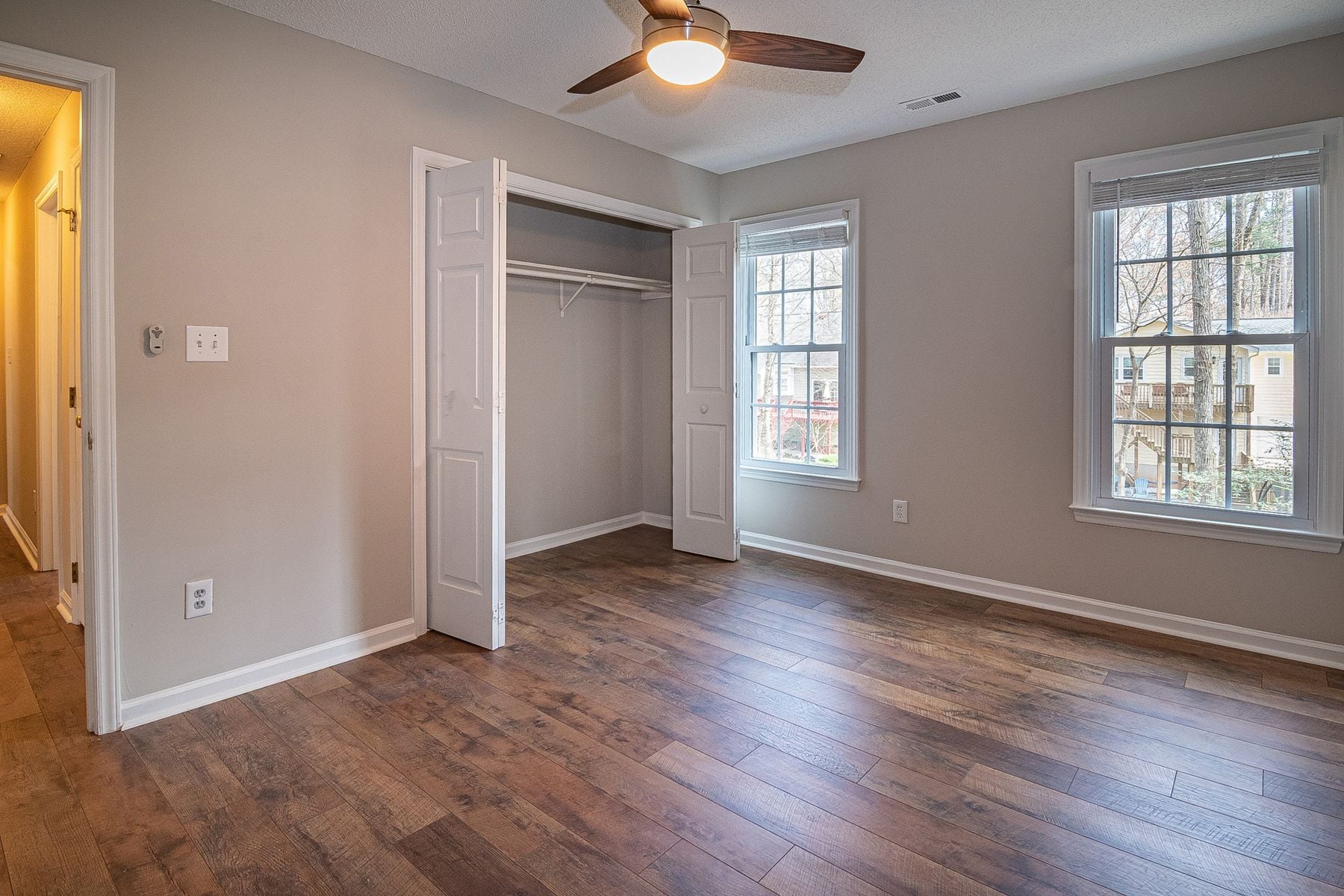
Multifamily renovation for rental owners in Ann Arbor, Ypsilanti and Southeast Michigan
Every vacant unit costs money, and every tired unit rents for less than it could. Wright’s Renovations handles multifamily renovation for landlords, property managers and small investors across Southeast Michigan, from a quick turn between tenants to a full gut of a duplex or a small apartment building. One design-build team based in Ypsilanti scopes the work, prices it line by line and builds it on a schedule that respects your leasing calendar.
Ann Arbor and Ypsilanti have some of the busiest rental markets in Michigan, driven by the University of Michigan, Eastern Michigan University and the hospitals and employers around them. Much of the rental stock is older, including converted houses, small walk-up buildings and 1960s and 1970s garden apartments. Those buildings need steady updates to stay competitive and pass inspections.
Rental property projects Wright’s handles
Multifamily work ranges from one unit to a whole building. Most projects fall into a few types, and owners often mix them, turning some units while fully renovating others.
- Unit turns: paint, patching, flooring, fixtures and repairs between tenants, scheduled around move-out and move-in dates.
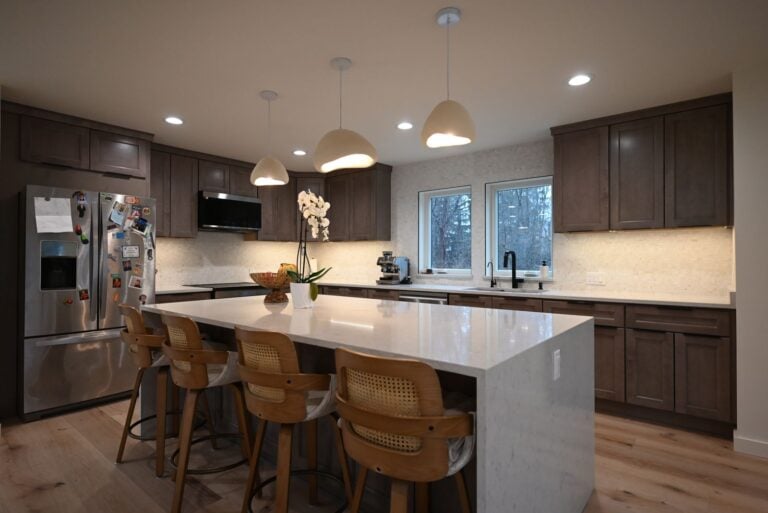
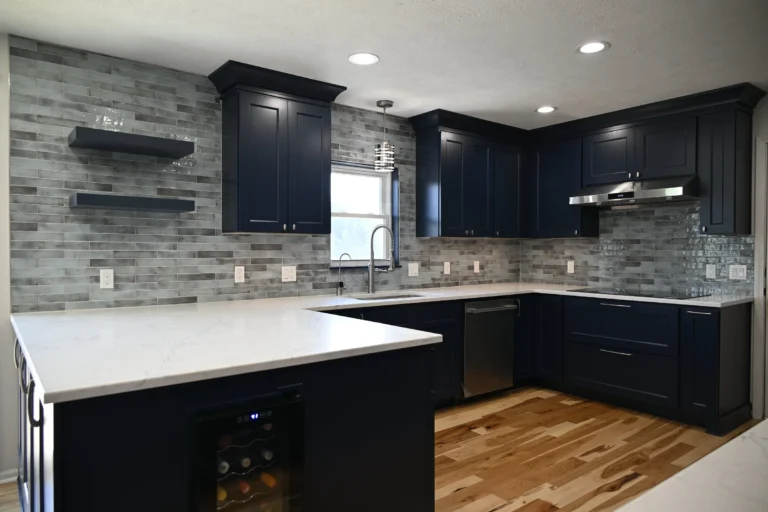
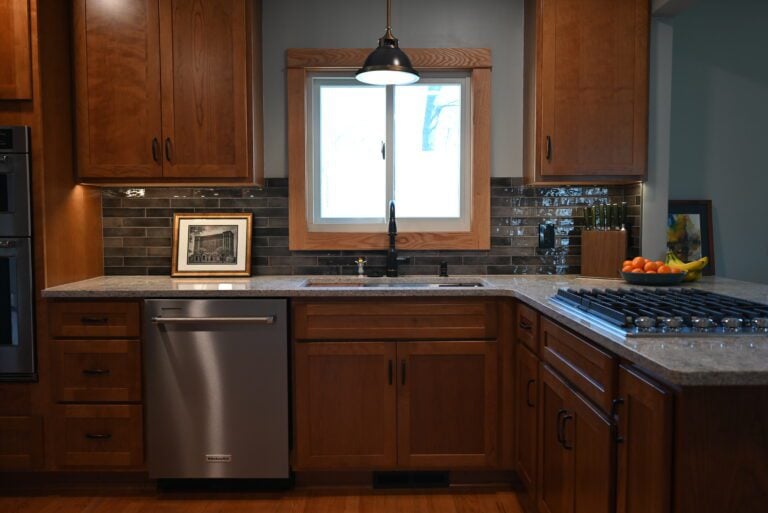
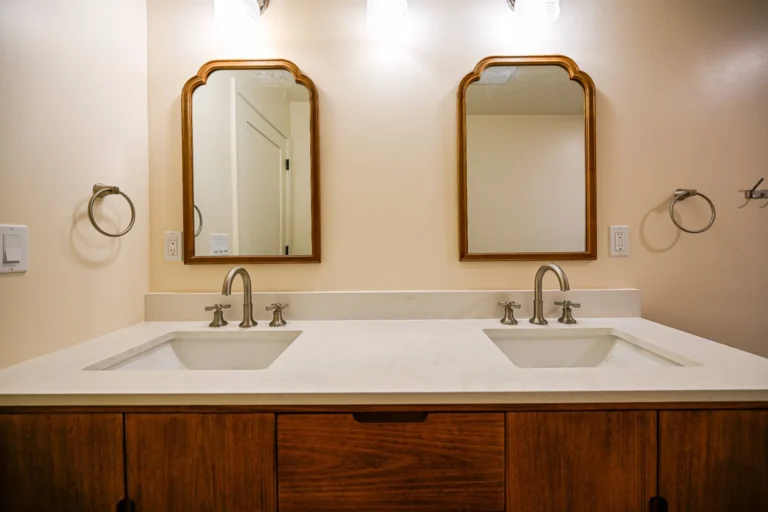
- Kitchen and bath upgrades: new cabinets, counters, tile and fixtures that raise rents and cut maintenance calls.
- Full unit renovations: reworked layouts, new finishes and updated plumbing and electrical in older units.
- Common area updates: hallways, stairs, entries, laundry rooms and mailbox areas.
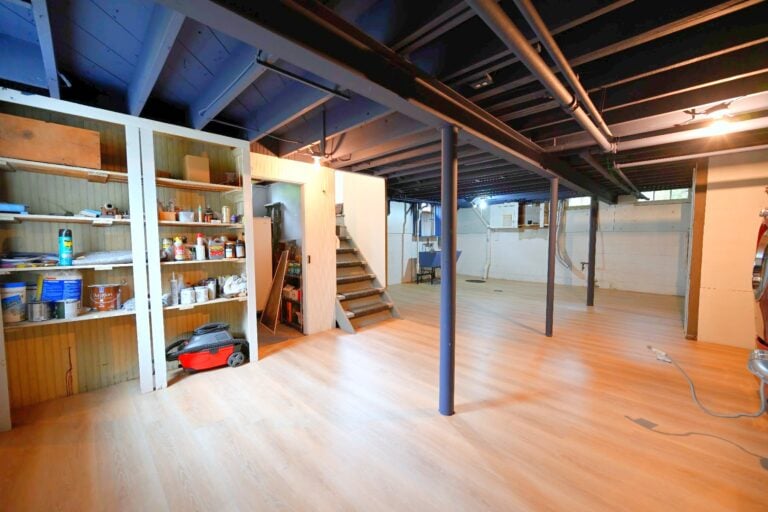
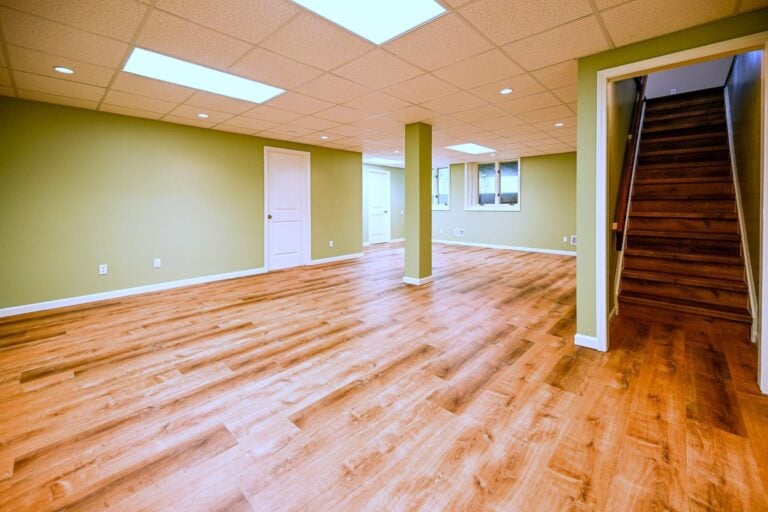
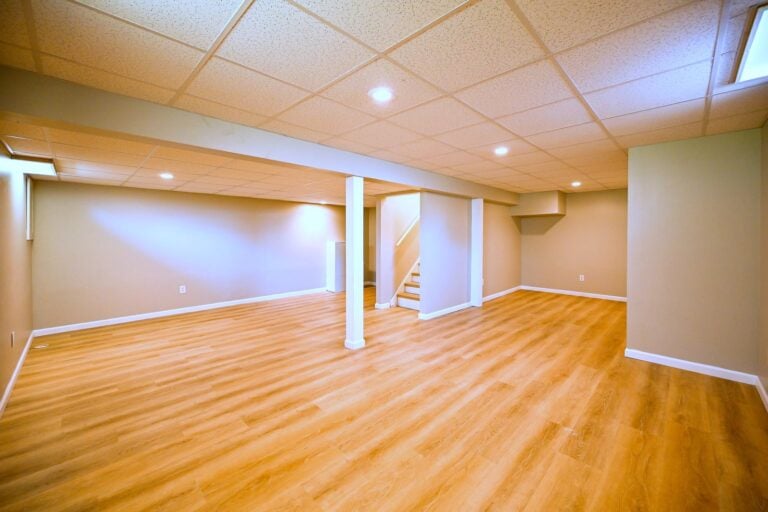
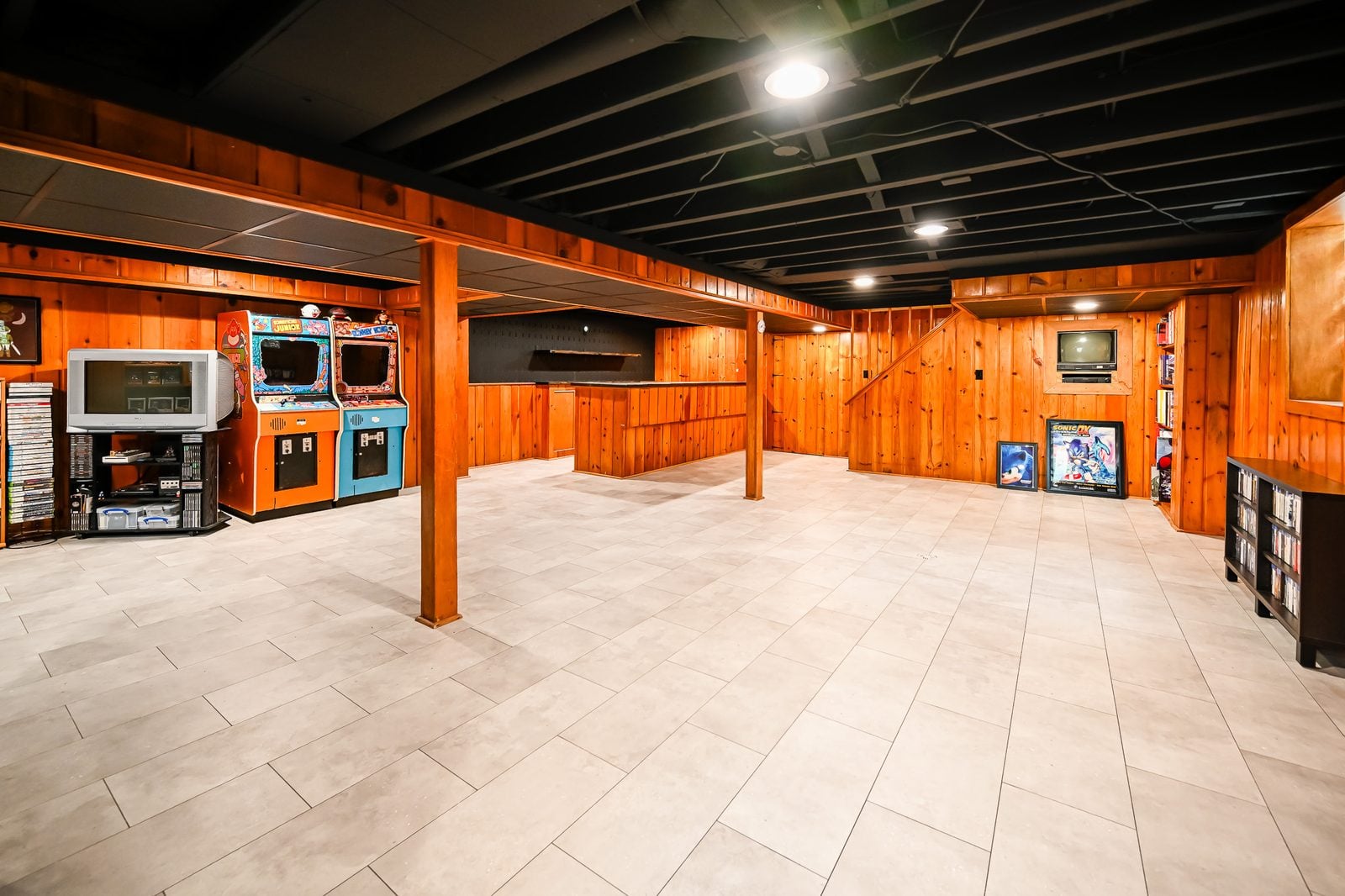
- Adding units: converting basements, garages or attics into legal rental units where zoning allows.
Apartment unit turns between leases
A unit turn is a race against the calendar. In student-heavy parts of Ann Arbor and Ypsilanti, many leases end and begin within days of each other in late summer, and every owner wants the same painters and flooring installers that same week. Planning ahead is the only way to get through it without losing a month of rent.
Wright’s works with owners to walk units before move-out, build a scope for each one and lock in crew time early. A typical turn might include drywall patching, full paint, replacing damaged flooring, adjusting doors and swapping worn fixtures. For lighter work, the Wright’s Repairs division handles single-visit jobs like drywall repair, floor repair and trim carpentry without a full renovation contract.
Standardizing finishes across units
Owners with more than a few units save real money by standardizing. Picking one paint color, one flooring product, one faucet and one cabinet style makes ordering simple, keeps spare parts on hand and speeds up every future turn. It also gives the property a consistent look that photographs well in listings. Wright’s can help build a finish standard for your portfolio, then apply it unit by unit as leases end.
Kitchen and bathroom upgrades that raise rents
Kitchens and bathrooms do the most to set a unit’s rent. Renters notice dated laminate counters, peeling tub surrounds and cabinets with broken hinges. They also notice durable, modern finishes that look clean in listing photos. A modest kitchen and bath update often pays back faster than any other improvement in a rental.
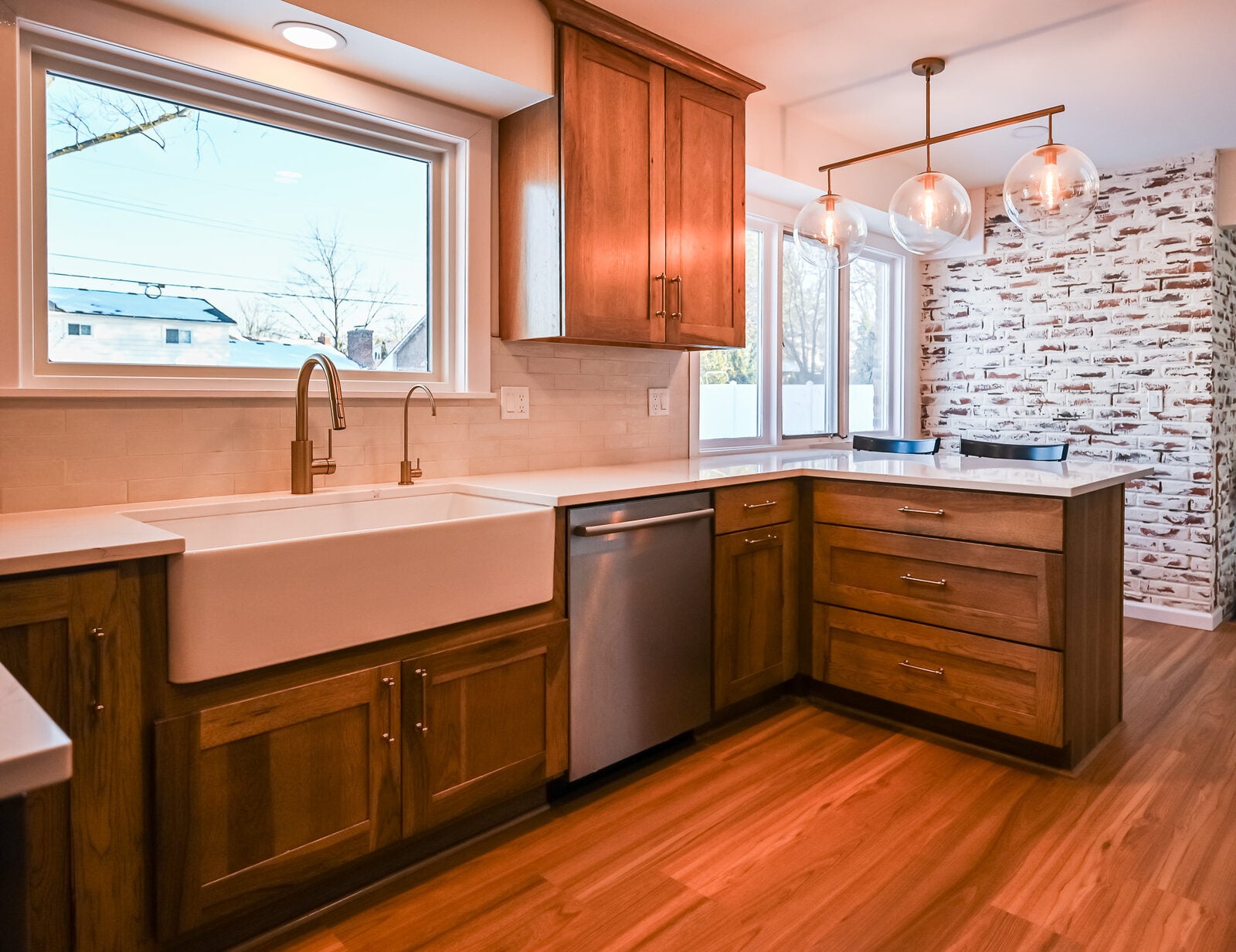
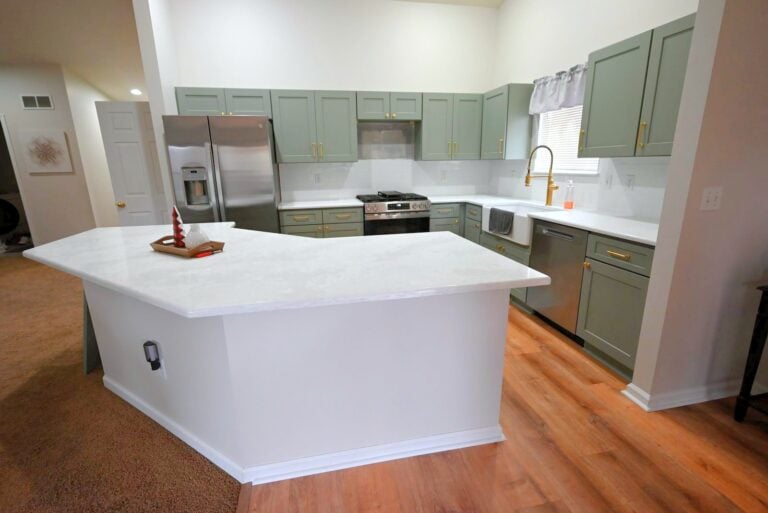
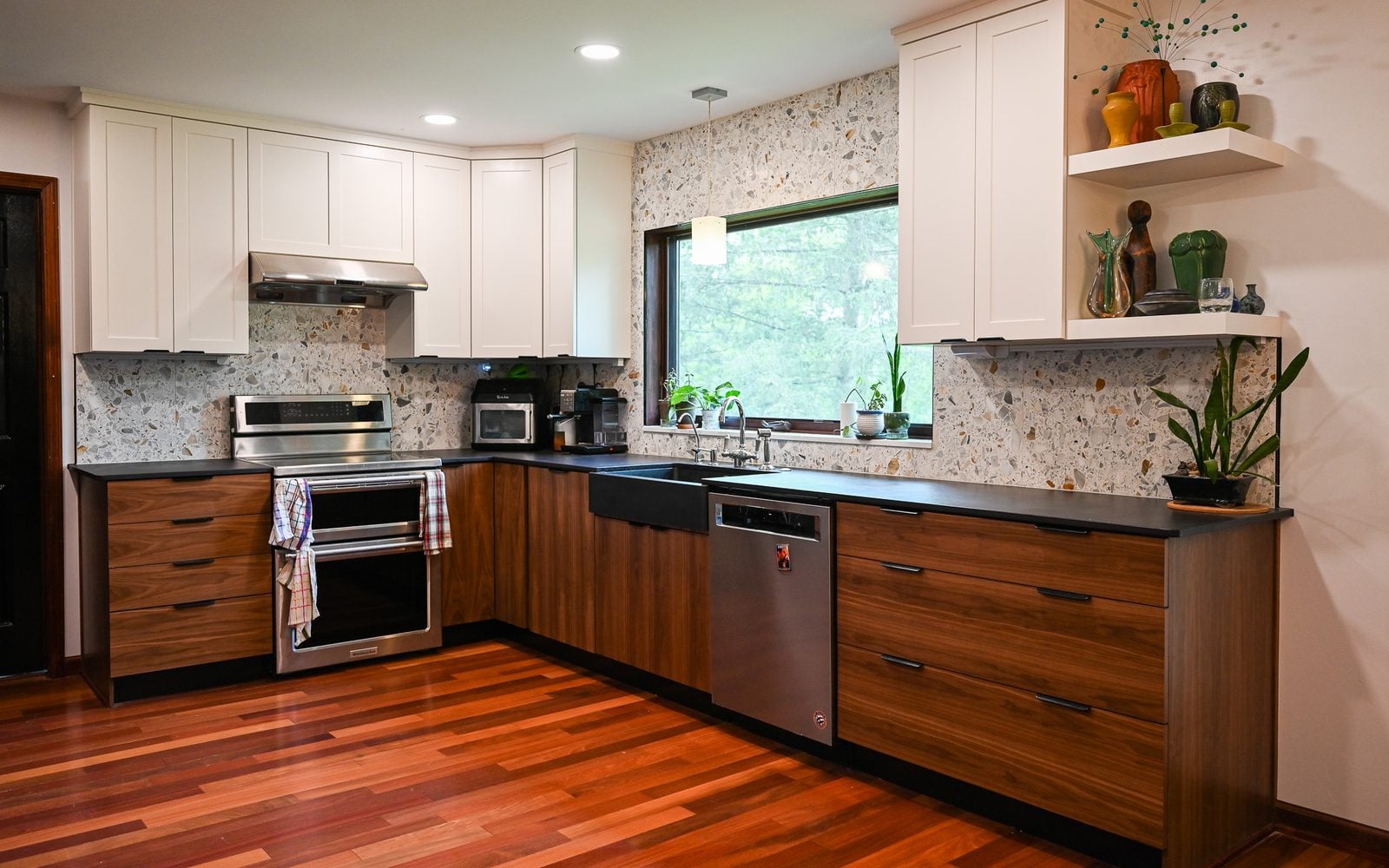
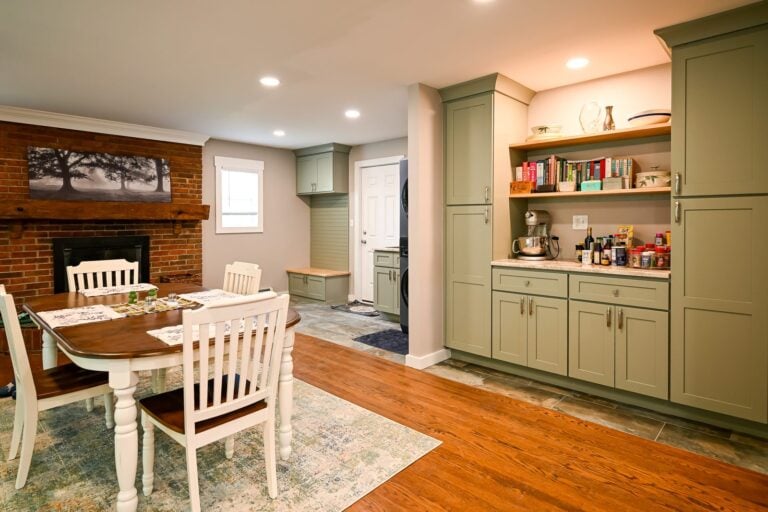
Rental kitchens don’t need custom cabinetry or high-end appliances. They need solid cabinet boxes, durable counters like quartz or high-grade laminate, a good faucet and a backsplash that wipes clean. The kitchen remodeling page covers how Wright’s approaches kitchen work, and the same crews apply it at rental scale with budget-conscious materials.
Bathrooms built for tenant wear
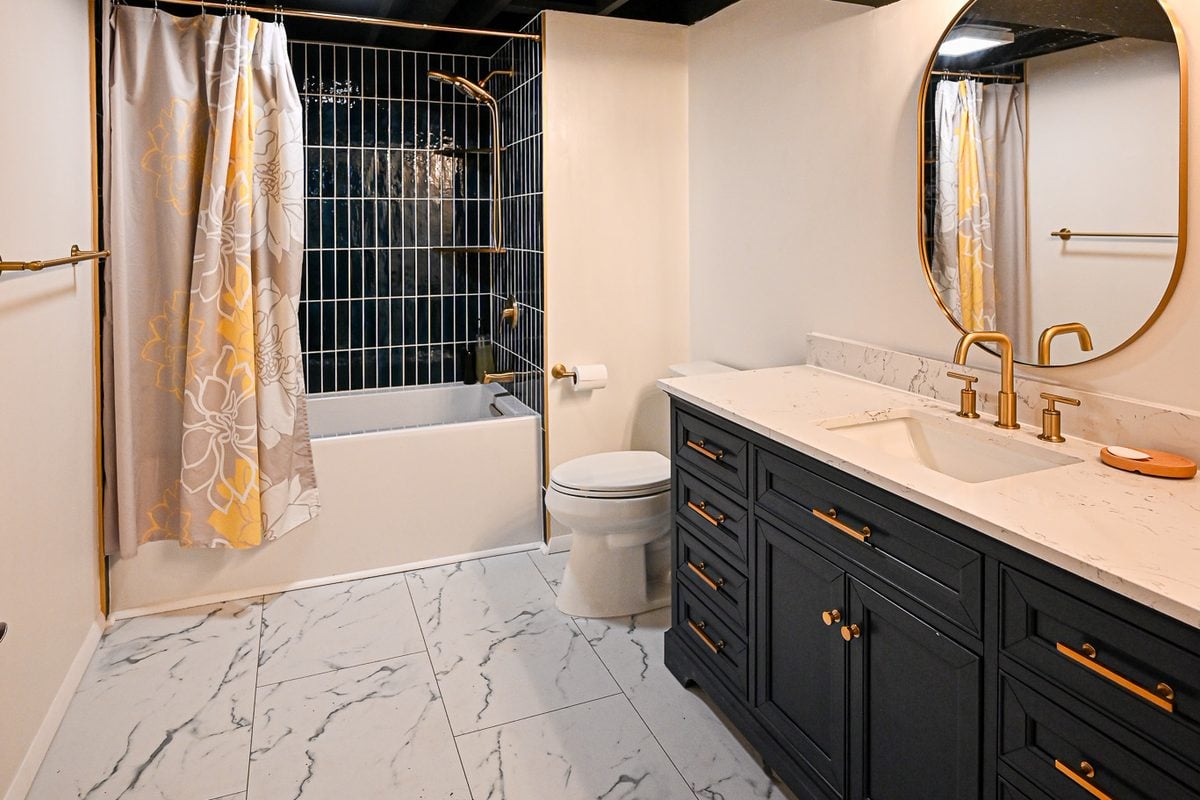
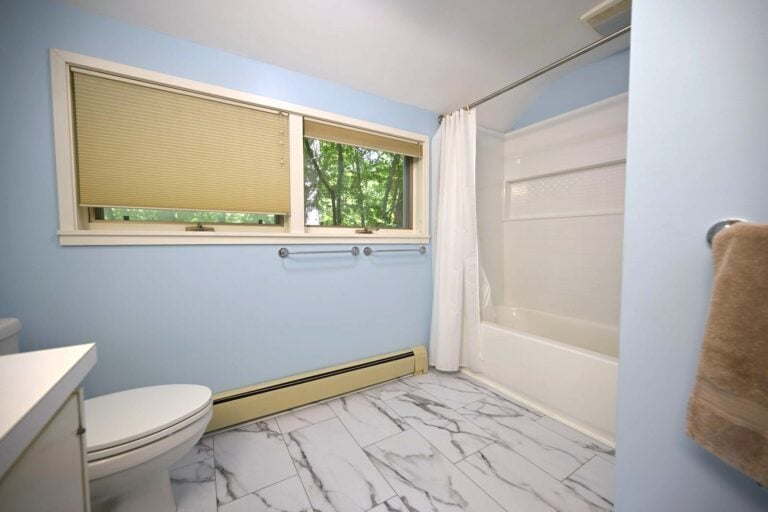
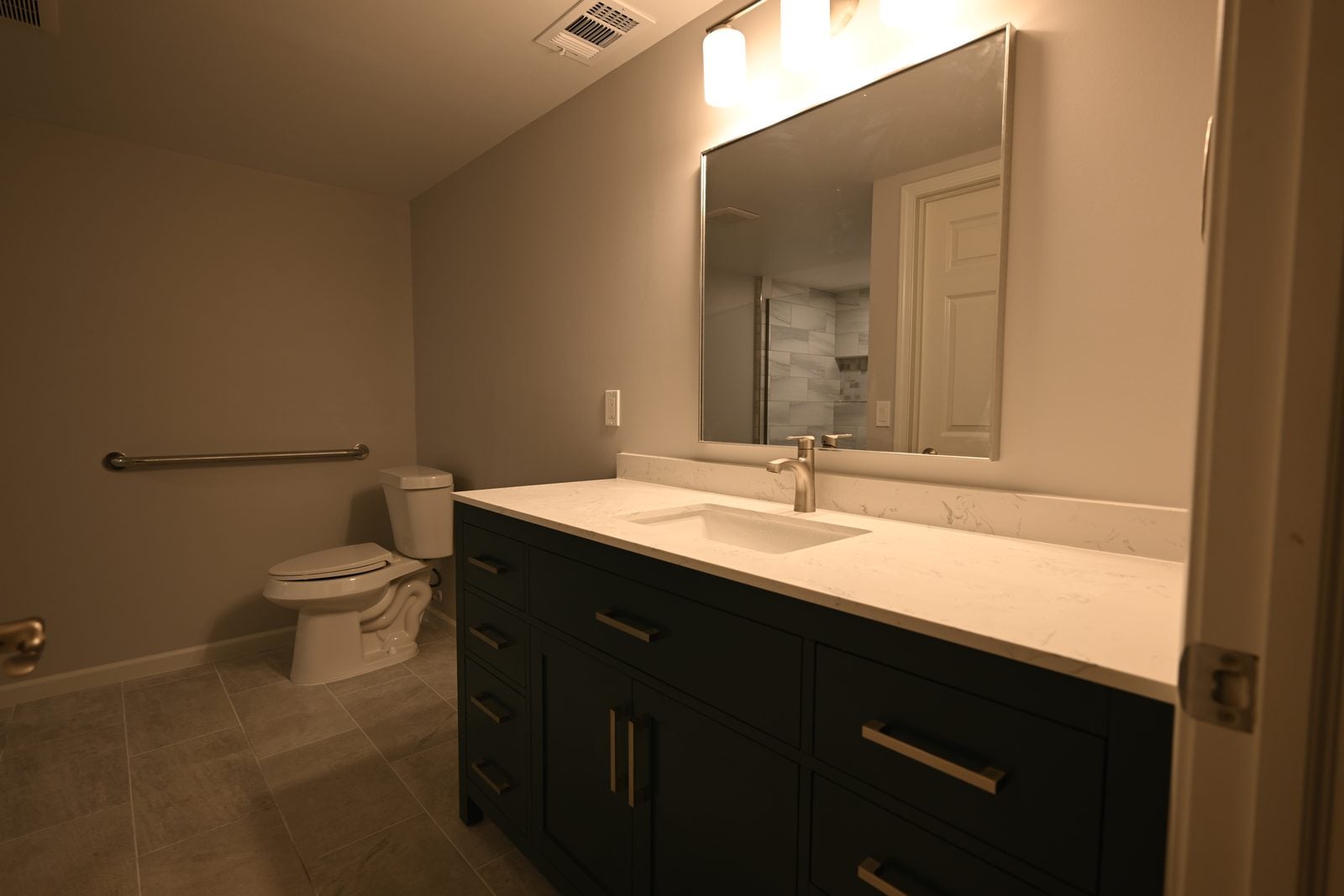
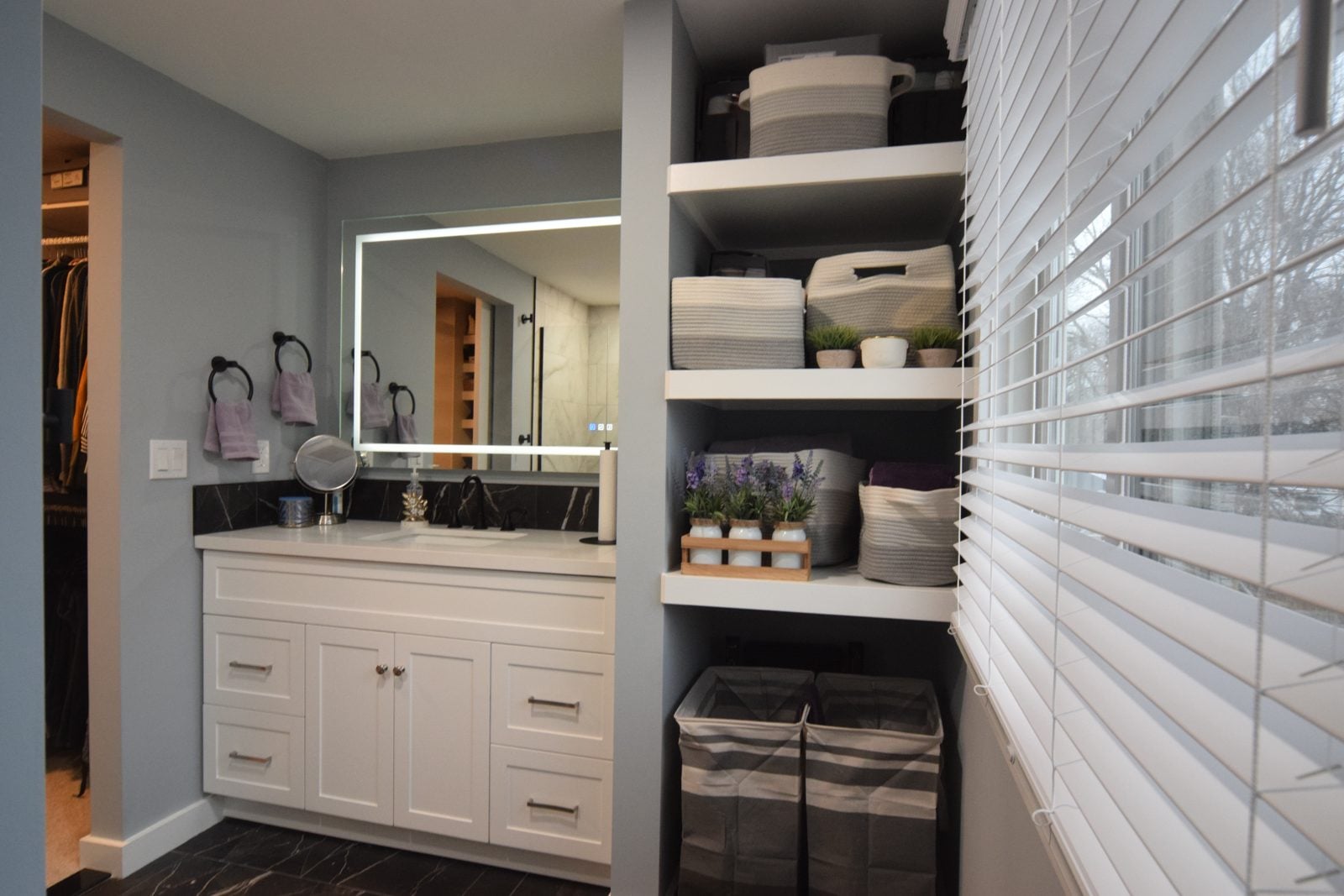
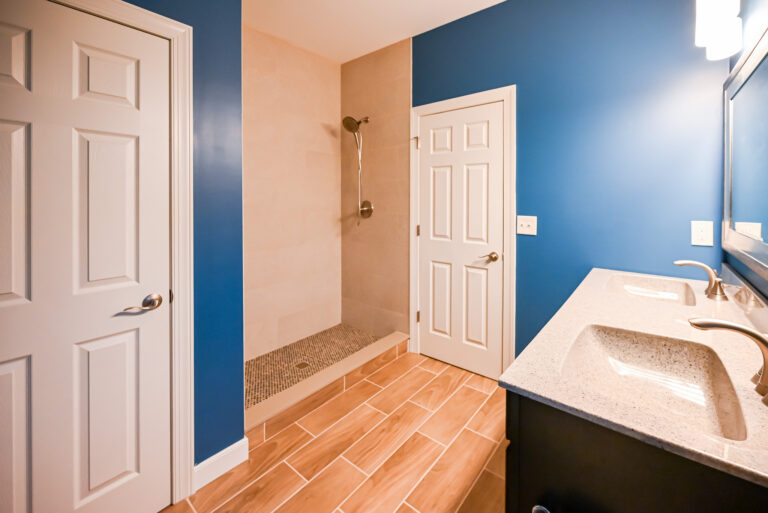
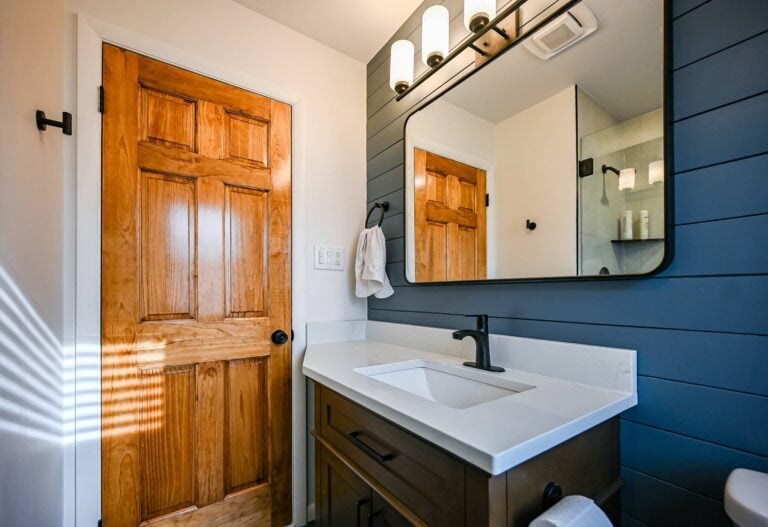
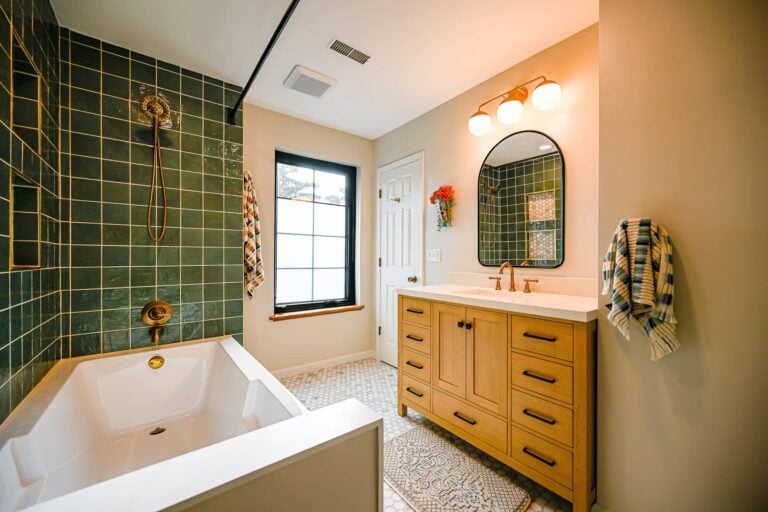
Rental bathrooms take a beating. Tub-to-shower conversions with solid surround panels, porcelain floor tile, water-saving fixtures and a vanity with a one-piece top hold up better than painted drywall and vinyl. Good exhaust fans prevent moisture damage between turns. The bathroom remodeling page shows residential bathroom work, and walk-in shower installation is a popular upgrade for units marketed to older renters.
Flooring, paint and finishes that last between turns
The best rental finishes are the ones you don’t have to replace every year. Luxury vinyl plank has largely replaced carpet in rentals because it handles spills, pets and furniture without staining. It’s also easy to replace one damaged plank instead of a whole room. In bedrooms, some owners still prefer carpet for comfort and noise control, especially in upper units.
Paint choices matter too. Eggshell or satin finishes clean better than flat paint and still hide wall imperfections. A single neutral color across units speeds up touch-ups. Hardware, light fixtures and outlet covers should be standard items you can buy again in a year. The interior painting service and light fixture installation through Wright’s Repairs cover those smaller jobs.
Noise control between units
Noise is one of the most common complaints in older multifamily buildings. When floors or walls are open during a renovation, it’s a good time to add sound insulation, resilient channel or acoustic underlayment beneath new flooring. Upper units with hard flooring often need underlayment rated for impact noise to keep downstairs tenants happy. Those upgrades cost little during a renovation and a lot afterward.
Rental inspections and code compliance
Ann Arbor and Ypsilanti both run rental housing inspection programs, and many nearby cities and townships have their own registration or inspection rules. Inspectors look at smoke and carbon monoxide alarms, egress windows, handrails, electrical safety, plumbing and general condition. A failed inspection can delay a certificate and hold up a new lease.
Wright’s can walk a property before an inspection, flag likely issues and fix them. Common items include missing handrails, damaged stairs, undersized bedroom windows and outlets without ground fault protection near water. For basement bedrooms, the basement egress window page explains how an egress window gets added to make a lower-level bedroom legal.
Lead-safe work in older buildings
Much of the rental stock in Ann Arbor and Ypsilanti was built before 1978, which means lead-based paint may be present. Federal rules require lead-safe work practices when renovation disturbs painted surfaces in those buildings, including containment, cleanup and documentation. Owners should ask any contractor how they handle those rules before work starts. Wright’s plans containment and cleanup as part of the scope on pre-1978 properties.
Adding units to an existing property
Adding a unit is one of the most direct ways to increase a property’s income. Depending on zoning, owners may be able to convert a basement into an apartment, build a unit over a detached garage or add an accessory dwelling unit on a single-family lot. Each option has its own zoning, fire separation and egress requirements, and the city’s zoning office has the final word.
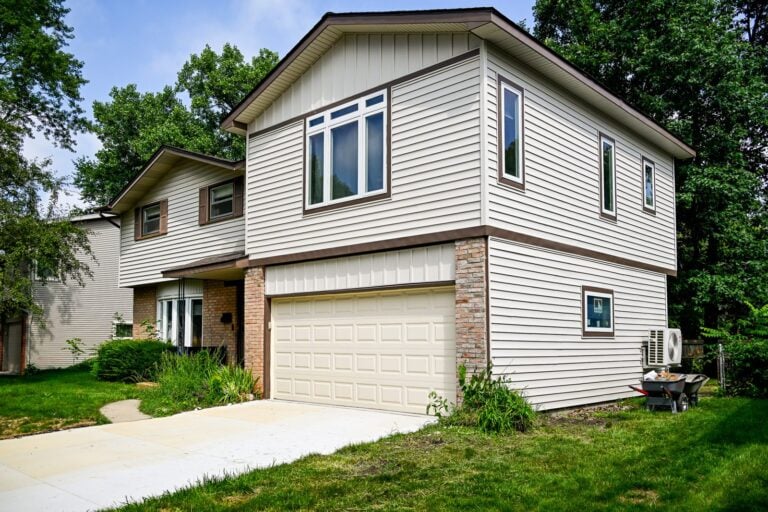
Wright’s covers each of those paths on its own page. The basement rental unit page explains how a lower level becomes a legal apartment. The garage apartment page covers units above or inside garages, and the ADU additions page explains accessory dwelling units in Michigan.
Duplexes, triplexes and converted houses
Many Ann Arbor and Ypsilanti rentals are older houses converted into two, three or four units. They often carry quirks from past conversions, such as shared utilities, odd stair arrangements or fire separations that don’t meet current rules. The duplex renovation page covers two-unit buildings, and the historic home renovation page explains how Wright’s works on older houses without stripping out their character.
Common areas, entries and shared spaces
Prospective tenants judge a building before they see the unit. A worn hallway, broken mailbox or dim stairwell sends a message about how the building is managed. Updating common areas is often cheaper than a full unit renovation and lifts the whole property at once.
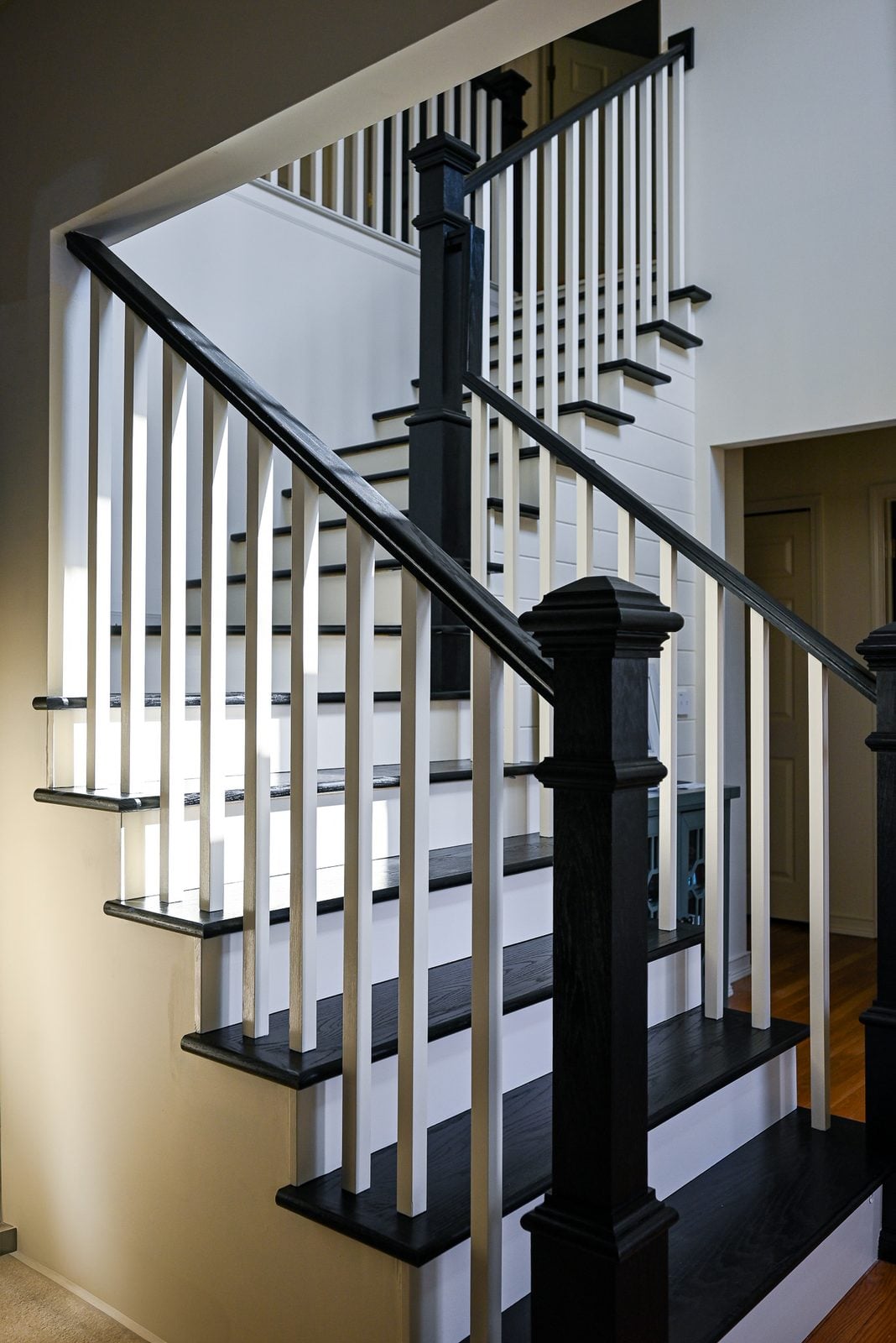
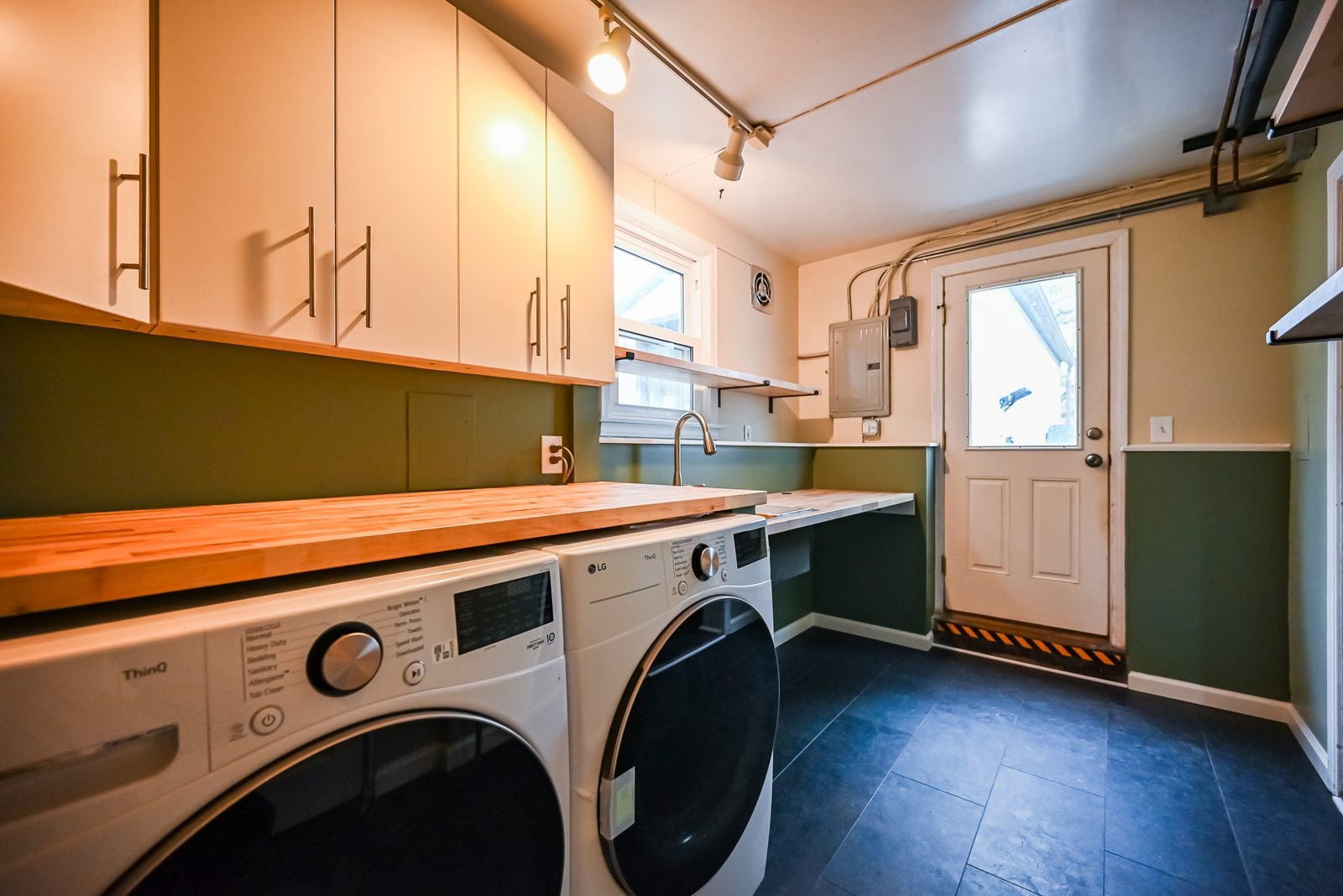
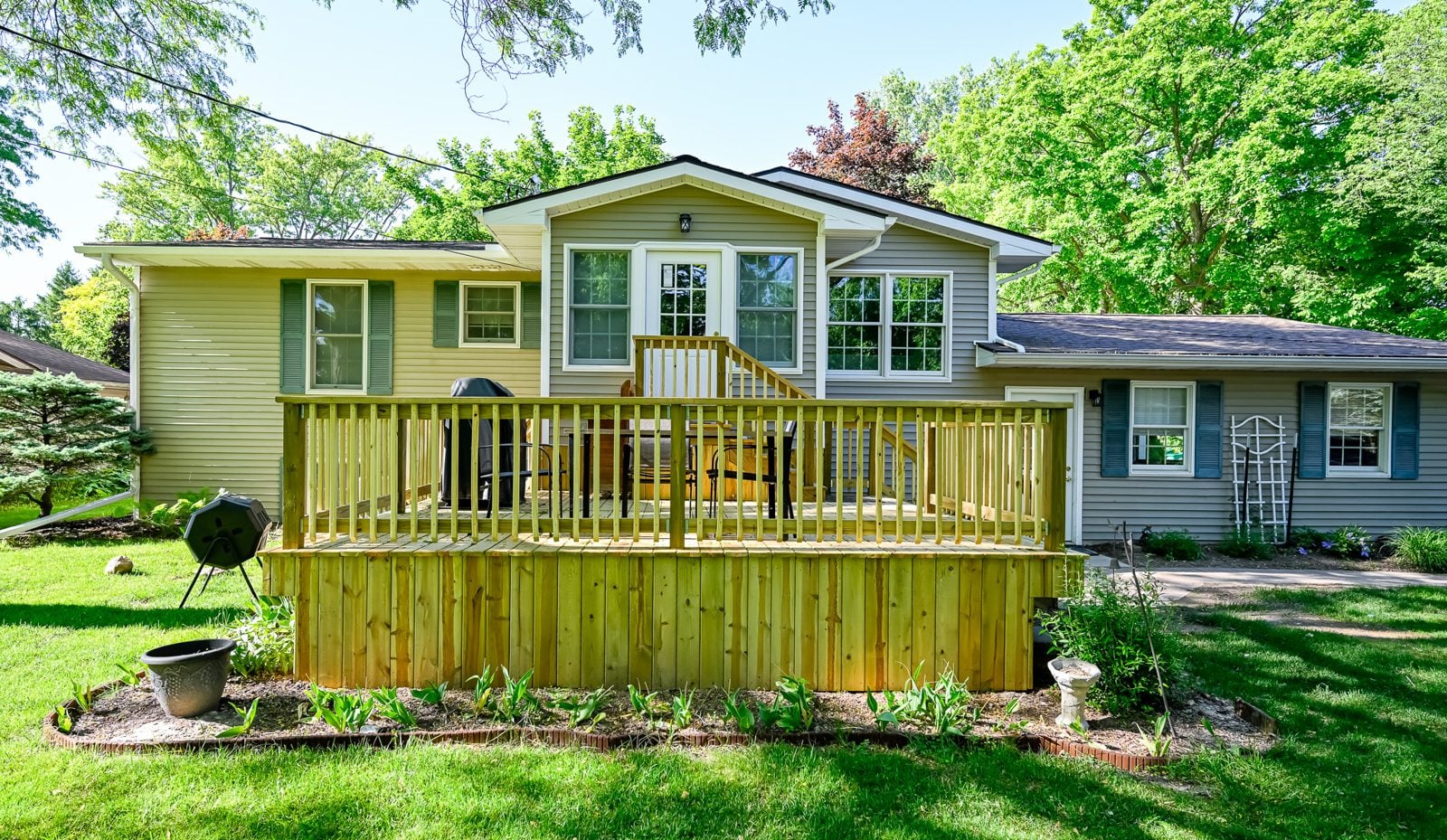
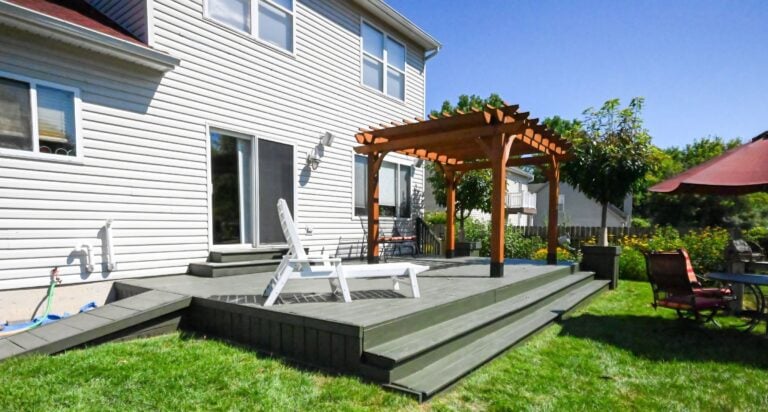
Typical common area projects include new flooring in halls and stairs, fresh paint, LED lighting, updated handrails and refinished entry doors. Laundry rooms benefit from durable flooring, better lighting and ventilation. Exterior entries, stoops and porches matter too. The exterior renovation page covers siding, windows and doors, and the deck and porch work covers shared outdoor spaces.
Working around occupied units
Common area and building-wide projects usually happen while tenants are home. That means clear notices, limited work hours, dust control and keeping exits clear at all times. Wright’s schedules noisy work for daytime hours, protects floors and walls along the work path and cleans up every day. The Troy office renovation for Stewart Title shows the same occupied-building approach on a commercial job.
What Wright’s doesn’t do on rental properties
Knowing the boundaries saves owners time. Wright’s doesn’t handle roofing, gutters, HVAC replacement or insulation upgrades, and it doesn’t do water, fire or mold remediation or insurance restoration. Those jobs go to specialists. The list of work Wright’s doesn’t take on spells out the details, so you can line up the right trade for each part of the property.
Inside those limits, Wright’s covers the interior and exterior finish work most rental properties need. That includes carpentry, drywall, tile, paint, flooring, kitchens, bathrooms, doors, windows, siding and decks, plus plumbing and electrical through licensed partners. Owners with a mix of needs often use Wright’s for the renovation work and keep their existing vendors for the mechanical systems.
Pre-purchase walk-throughs for rental investors
Investors buying a rental property in Washtenaw or Wayne County often have only a short inspection window. A home inspector will flag safety and system issues, but most inspection reports don’t put a price on the renovation work a property needs to rent well. That gap is where buyers overpay or underestimate the work.
Wright’s can walk a property during the inspection period and give a rough renovation range for the units, the common areas and the exterior finish work. That number helps with the offer, the loan and the plan for the first year of ownership. It also flags work that falls outside Wright’s scope, like roofing or furnace replacement, so you know which other trades to call before closing.
Scoping a value-add renovation
A value-add plan targets the improvements that move rent the most for the money spent. In most older Southeast Michigan rentals, that means kitchens, bathrooms, flooring and in-unit laundry where plumbing allows it. Cosmetic updates to entries and hallways come next. Wright’s prices each item separately so you can rank them by payback and decide what happens in year one versus year three.
Scheduling turns around the leasing calendar
The best turn schedule starts months before the lease ends. Owners who send Wright’s their move-out dates in spring can lock crew time for late summer, order flooring and fixtures ahead of the rush and avoid paying for rush delivery. Units that need more than a week of work can be scheduled first, with lighter turns filling the days right before move-in. A shared spreadsheet or schedule for each building keeps the property manager, the crew and the leasing office looking at the same dates.
Budgeting and planning a rental renovation
Rental renovations should be judged by return, not just cost. As a simple example, a $15,000 kitchen and bath update that adds $150 a month in rent would pay back in about eight years, before counting lower maintenance and shorter vacancy. Owners know their own numbers best. Wright’s job is to give a clear, line-item estimate so those numbers are based on real costs, not guesses.
Each estimate lists the work, the materials and the cost by unit or by area. That makes it easy to approve work in phases, compare options and share the budget with partners or lenders. The guide to hidden renovation costs in Michigan explains the conditions that most often push older-building budgets up.
Phasing work across a portfolio
Owners with several buildings often spread renovations over a few years, starting with the units that have the biggest rent gap or the worst condition. A multi-year plan keeps cash flow steady and gives crews a predictable schedule. Wright’s can help build that plan, starting with a walk-through of each property and a list of priorities. The financing page covers options some owners use.
Where Wright’s renovates rental properties
Wright’s works from a shop on Platt Road in Ypsilanti and takes on rental projects across six Southeast Michigan counties. Rental work often centers on Ann Arbor and Ypsilanti, and the same team covers Canton, Livonia and Dearborn. The service area map lists every community covered.
Each community has its own rental rules, inspection schedules and zoning limits. The project manager keeps track of those so owners don’t get caught by a missed registration or a failed inspection.
Related commercial services
Owners of mixed-use buildings often need more than apartment work. Wright’s also handles tenant improvement for commercial suites, commercial restroom remodels and storefront and retail renovation. The commercial renovation hub lists all of them in one place.
Why rental owners work with a design-build firm
Rental owners need a contractor who answers the phone, shows up when scheduled and prices work clearly. With design and construction under one team, there’s one person to call for the scope, the schedule and the invoice. Wright’s holds Michigan builder license 262100679, and the company page introduces the team.
The project process page explains how a job moves from walk-through to final cleanup. You can also read what past clients say on the reviews page before reaching out.
Start your rental property project
If you’re turning a single unit, updating a duplex or planning upgrades across a portfolio, the first step is a walk-through. Wright’s will look at the property, talk through your goals and give you a realistic read on cost and timing. Set up a consultation online or call (734) 540-0347, Monday to Friday, 8 a.m. to 4 p.m.
Want to see past work first? Check out our Portfolio of featured projects. Ready to price your next unit? Contact us today.
Free consultation
Start with a conversation
Tell us what you’re planning. We’ll follow up within one business day with next steps and an honest read on budget and timing.
Prefer the phone? Call (734) 540-0347, Monday to Friday, 8 a.m. to 4 p.m.