
Design-build in Southeast Michigan
Medical and healthcare office renovation
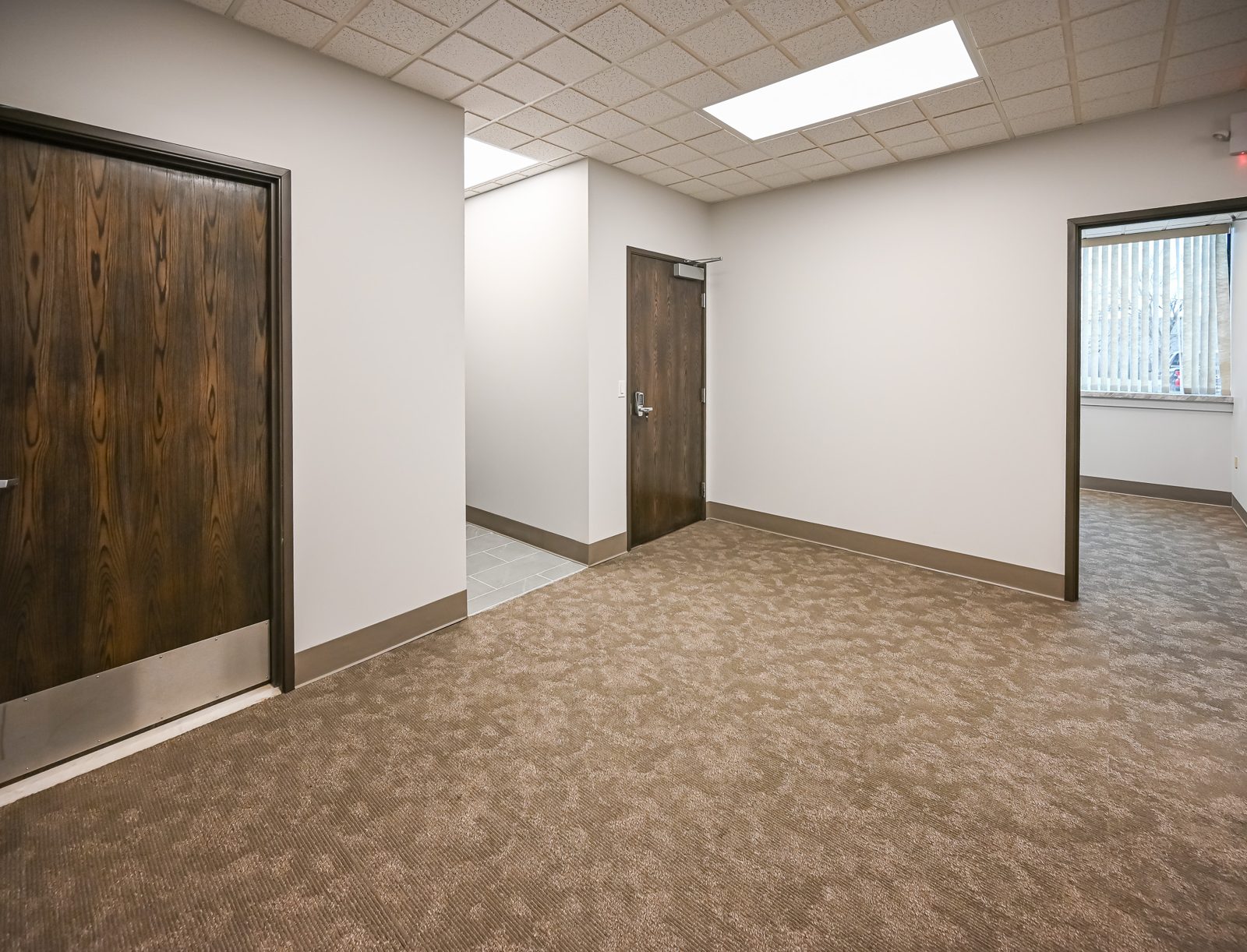
Medical and healthcare office renovation in Michigan
Healthcare environments carry requirements that general commercial construction simply doesn’t address. The exam room that functions efficiently for one specialty creates workflow problems for another. Infection control demands specific material choices and air handling approaches. ADA compliance in medical settings goes beyond standard accessibility into specialized equipment accommodation. Patient privacy requirements affect everything from sight lines to soundproofing.
Wright’s Renovations brings proven commercial renovation experience to medical and healthcare facilities throughout Southeast Michigan. We understand that medical office construction serves practitioners and patients simultaneously, creating spaces where providers work efficiently while patients feel comfortable and cared for.
Specialty-specific design considerations
A dermatology practice needs different lighting than a pediatric office. An orthopedic clinic requires reinforced walls for equipment mounting that a general practice doesn’t. Physical therapy spaces demand open layouts while mental health offices prioritize acoustic privacy. Wright’s Renovations works with your practice to understand the specific requirements of your specialty before we touch a single wall.
We’ve completed medical office renovations across Washtenaw, Oakland, and Wayne counties, environments ranging from solo practitioner offices to multi-provider clinics. That experience means we understand the workflow patterns that determine whether a medical space supports efficient care or creates bottlenecks. Patient check-in to exam room to procedure room to check-out, every transition point either runs smoothly or accumulates frustration throughout the day.
Proper infrastructure planning prevents the electrical limitations and plumbing constraints that plague medical practices for years. We design technology integration that accommodates current equipment plus future additions. Data and power for every exam station. Backup systems for critical equipment. The infrastructure investments that seem expensive during construction become essential the first time they prevent a practice disruption.
Compliance and certification requirements
Medical construction operates within regulatory frameworks that general commercial work doesn’t encounter. HIPAA requirements affect physical layout and visual privacy. OSHA standards govern safety features for staff. State medical board requirements influence procedure room specifications. Insurance credentialing often requires specific facility characteristics.
We navigate these requirements as part of comprehensive project planning. Our familiarity with Michigan’s regulatory environment, and the inspection processes in communities from Birmingham to Ann Arbor to Canton, prevents the compliance surprises that delay occupancy or require costly post-construction modifications.
Our work includes proper documentation throughout the construction process. You’ll have the records you need for licensing, insurance, and any future renovations. That administrative attention might not be glamorous, but it protects your practice from regulatory complications.
Patient experience as a design priority
Patient satisfaction increasingly affects healthcare business outcomes, from online reviews that influence new patient acquisition to reimbursement models that reward patient experience metrics. The physical environment shapes patient perception before any clinical care begins.
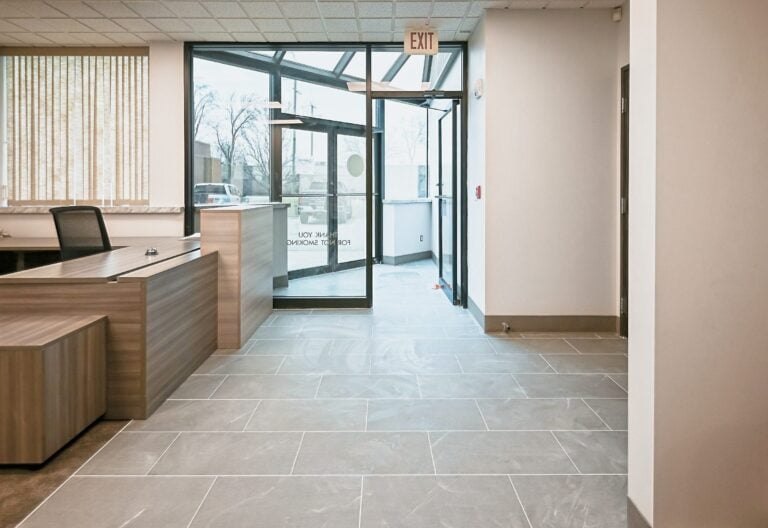
Wright’s Renovations approaches medical reception areas with the same attention we bring to residential whole-home renovations. Waiting rooms should feel calm and comfortable, not clinical and cold. Patient restrooms need the same quality renovation treatment as any other space patients experience. Even corridors and transitions contribute to overall impression.
Accessibility goes beyond code minimums in healthcare settings. Patients arrive in varying physical conditions, some struggling with mobility challenges, others experiencing acute symptoms. Thoughtful design accommodates these realities with appropriate seating options, clear wayfinding, and easy transitions between spaces.
Renovating occupied medical facilities
Closing a medical practice for renovation isn’t just a financial hardship, it disrupts patient care. Established practices have patients who need continued access to medical services. Wright’s Renovations specializes in phased renovation approaches that keep portions of your practice operational during construction.
Our experience with occupied-space renovation from residential home addition projects translates directly to medical settings where continued operations matter even more. Proper dust containment protects clinical areas from construction contamination. Noise management lets providers see patients while we work in other sections. Careful scheduling prevents construction traffic from coinciding with patient visits.
Project management technology provides visibility into construction phases, helping you plan patient scheduling around disruptions. You’ll know exactly which areas are under construction each week and when to expect completion of each phase.
The Wright’s Renovations approach to healthcare construction
Medical office renovation requires a contractor who listens to clinical staff about workflow, understands healthcare-specific requirements, and delivers construction quality that meets the higher standards medical environments demand. Wright’s Renovations provides that combination through our design-build approach and our roots in the Southeast Michigan communities we serve.
Our team structure maintains the personal accountability that prevents details from slipping through cracks while providing the capacity to handle significant medical facility projects. Transparent pricing eliminates the budget surprises that plague healthcare construction when change orders multiply.
Whether you’re building out new space, renovating an existing practice, or expanding into additional suites, Wright’s Renovations brings the experience your medical facility deserves. Contact us to discuss your healthcare construction needs with a Michigan team that understands both the clinical requirements and the patient experience priorities that define successful medical environments.
Medical office renovation in Ann Arbor and Ypsilanti
Ann Arbor and Ypsilanti have a deep bench of medical practices, from family medicine and physical therapy to specialty clinics near the hospitals. Wright’s builds and renovates medical office space across Washtenaw, Wayne and Oakland counties for practices that are expanding, moving into a new suite or updating an old one. The commercial construction hub shows the other business spaces Wright’s builds.
A medical office renovation is part construction project and part operations plan. Patients still need appointments, staff still need to chart, and the space has to meet rules a typical office never sees. The sections below cover how Wright’s plans around those realities.
Dental, veterinary and specialty practices
Some practices have needs specific enough to deserve their own page. Dental offices need plumbing, power and air at each chair, plus a sterilization room planned for workflow. Wright’s covers that on the dental office build-out page. Veterinary clinics need exam rooms, treatment areas and finishes that stand up to animals and constant cleaning, covered on the veterinary clinic renovation page.
Therapy clinics, chiropractors, med spas and specialty offices often need larger open rooms, extra sound control or private treatment spaces. Wright’s builds those layouts from your clinical workflow, or from an architect’s plan if you already have one, and coordinates the licensed trades that bring in plumbing, power and ventilation.
Finishes and details for clinical spaces
Clinical rooms need surfaces that clean easily and hold up to disinfectants, from sheet or resilient flooring with sealed seams to wall finishes and cabinetry that won’t swell or chip. Hand sinks belong where staff actually need them, and storage has to keep supplies close without cluttering exam rooms. Wright’s walks through a typical patient visit with your staff to place those details correctly.
Lighting matters more in a clinic than in a typical office. Exam and treatment rooms need bright, even light, while waiting rooms can be warmer and calmer. Planning switching, dimming and outlet locations before framing keeps the rooms flexible as your equipment changes over the years.
Sound and privacy
Patients notice when they can hear the conversation next door. Wright’s can insulate interior walls for sound, carry walls to the deck above where needed, seal around doors and plan room layouts so exam rooms don’t share thin walls with the waiting area. Those steps cost far less during construction than after the drywall is finished.
Check-in and checkout areas need privacy too. Counter heights, sight lines and the distance between the desk and the waiting chairs all affect how private a conversation feels. Getting those right in the layout is part of building an office patients feel comfortable in.
Building around patients who are still coming in
Most practices can’t close for a month. Wright’s phases medical renovations so part of the suite keeps seeing patients while another part is under construction. Dust barriers, separate entrances where the building allows, after-hours work for loud tasks and a clean daily closeout keep the open side of the practice usable and presentable.
Before work starts, Wright’s walks through the schedule with your office manager so everyone knows which rooms close when. You’ll see the plan, daily updates and job photos in the client portal. If you’re also moving equipment or IT, the schedule leaves room for your vendors so the space is ready when the first patient arrives.
Infection control and cleanliness get extra attention in a clinic. Construction areas are sealed off, air movement between work zones and patient areas is controlled where possible, and debris leaves through a route patients don’t use. Those steps keep the open side of the practice comfortable and help your staff answer patient questions with confidence.
Accessibility in medical offices
Medical offices see more patients with mobility needs than almost any other business, so accessibility isn’t optional. Accessible parking routes, entrances, door hardware, exam rooms with enough turning space and accessible restrooms all matter. When you alter a primary function area, the 2010 ADA Standards generally require improving the accessible route to it, within limits.
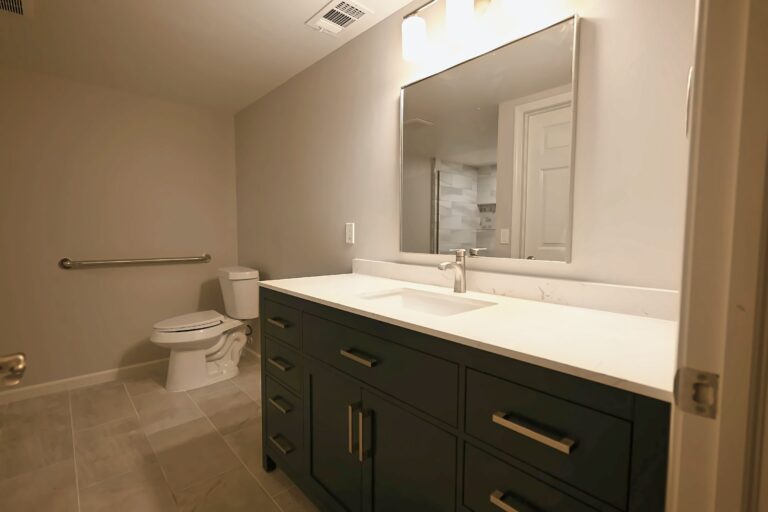
Wright’s handles commercial ADA compliance work on its own or as part of a larger renovation, and builds accessible restrooms for clinics. The Michigan ADA guide for small businesses explains the rules in plain terms.
Leasing a medical suite
Many practices lease rather than own. A new medical suite usually means a work letter with your landlord, landlord approval of the plans and often a tenant improvement allowance. Wright’s can organize the budget to match that letter. The tenant improvement page explains allowances, and the commercial build-out timeline guide shows how the phases fit together.
Converting a space that wasn’t medical before, like former retail, can trigger a change of use with new requirements for exits, restrooms and fire separation. It’s worth walking a space with Wright’s before you sign a lease, so you know what the build-out will take and whether the timing works for your opening.
Medical tenants also need to think about the building around the suite. Is there an accessible entrance and parking route? Can the plumbing handle more sinks? Is the electrical service large enough for your equipment? A walk-through answers those questions early, so you can raise them with the landlord before the lease is signed rather than after.
What drives medical office renovation costs
Medical renovations cost more per square foot than a basic office because of plumbing at sinks and chairs, extra electrical circuits, sound control and accessibility work. Converting a non-medical space usually costs more than refreshing an existing clinic. What’s hidden behind walls and above ceilings in an older building can move the number as well, which is why a careful walk-through comes first.
Wright’s prices every medical job with a written, line-item budget, so you can see where the money goes and decide what to keep, trim or phase. If you lease, the budget can match your work letter and allowance. The commercial renovation guide for Southeast Michigan covers the main planning steps.
Who Wright’s builds medical spaces for
Medical clients range from solo practitioners opening a first office to groups adding a suite next door. Physical therapists, chiropractors, counselors, optometrists, dentists and veterinarians all have different room needs, and each starts with the same question: how do patients and staff move through the space during a normal day?
Building owners and property managers call too, often to prepare a suite for a medical tenant or to update restrooms and entrances across a building. Whoever the client is, Wright’s starts with a walk-through and a written, line-item budget, then builds a schedule around the date the practice needs to open or reopen.
If you’re comparing two spaces, Wright’s can walk both with you before you sign and tell you which one needs less work to become a clinic. Plumbing locations, ceiling heights, the electrical service and the route from parking to the front door can make one space far cheaper to build out than another of the same size.
Medical office renovation questions
Do you work with our architect or designer?
Yes. Many practices come with drawings already made. Wright’s prices them line by line and builds them, as it did on a recent architect-drawn office build-out in Saline. If you don’t have drawings yet, the design side of the team can create them.
Can you keep our practice open during construction?
Usually, yes, with phasing. Wright’s has kept businesses open during renovations, including the Troy office that kept serving clients throughout its project. Some changes, like moving plumbing under a whole suite, may need a short planned closure, and you’ll know that before work starts.
Do you build accessible exam rooms?
Yes. Accessible exam rooms need enough clear floor space beside the table for a wheelchair to turn and transfer, doors wide enough to pass through and hardware that’s easy to use. Wright’s plans those dimensions into the layout from the start, along with an accessible route from the entrance and an accessible restroom.
How do we get started?
Share the address, the number of exam or treatment rooms you need and your target date. Wright’s will walk the space and give you a written, line-item budget. Practices in Ann Arbor, Ypsilanti and Canton are close to home base, and the whole six-county area is covered. Read client reviews before you call.
Ready to talk about your practice? Check out our Portfolio, or Contact us today to schedule a walk-through.
Free consultation
Start with a conversation
Tell us what you’re planning. We’ll follow up within one business day with next steps and an honest read on budget and timing.
Prefer the phone? Call (734) 540-0347, Monday to Friday, 8 a.m. to 4 p.m.