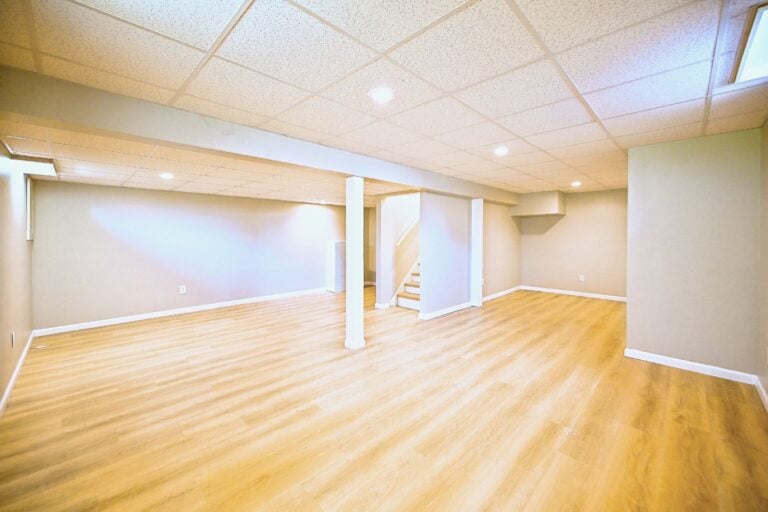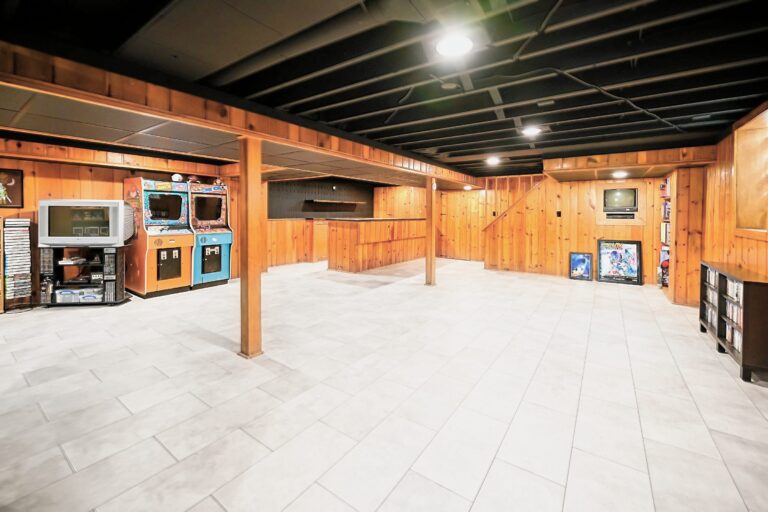


Vacant commercial space: how landlords get a suite leased faster
Every month a vacant commercial space sits dark, it costs its owner rent, taxes, utilities and the patience of everyone involved. Most landlords know the space needs work. The harder questions are how much, how fast and which work actually helps it lease. A commercial suite turn is usually the answer: a quick, focused pass that makes a tired suite look cared for without guessing at the next tenant’s layout.
I’m Connor Wright, founder of Wright’s Renovations in Ypsilanti. We turn and build out offices, shops and clinics for landlords, brokers and property managers across Southeast Michigan. This is the playbook I’d hand any owner with an empty suite: what prospects notice, what’s worth spending on, and how to move from walk-through to lease-ready without wasting a month.
Why a vacant commercial space sits
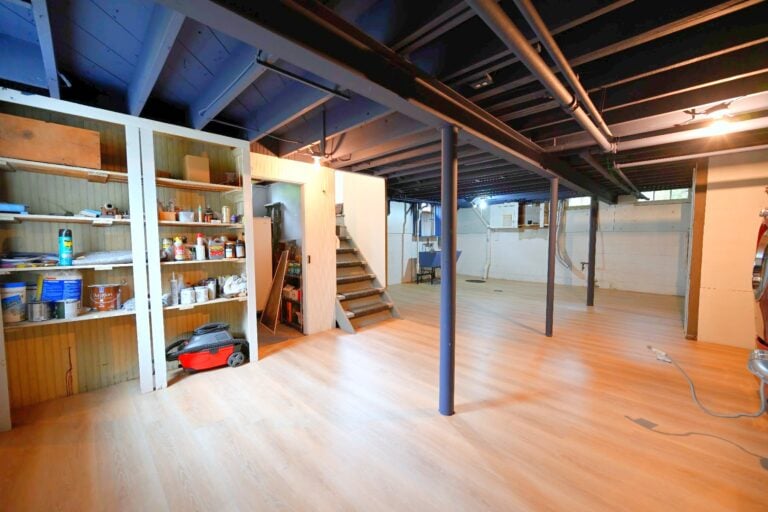
Suites rarely stay empty because of the rent alone. They sit because a prospect walks in, sees stained ceiling tile, a worn carpet path and a dead light fixture, and quietly decides the building isn’t cared for. Even when a tenant could look past it, they start mentally pricing the fix and asking for a bigger concession. The space is losing the argument before the broker opens their mouth.
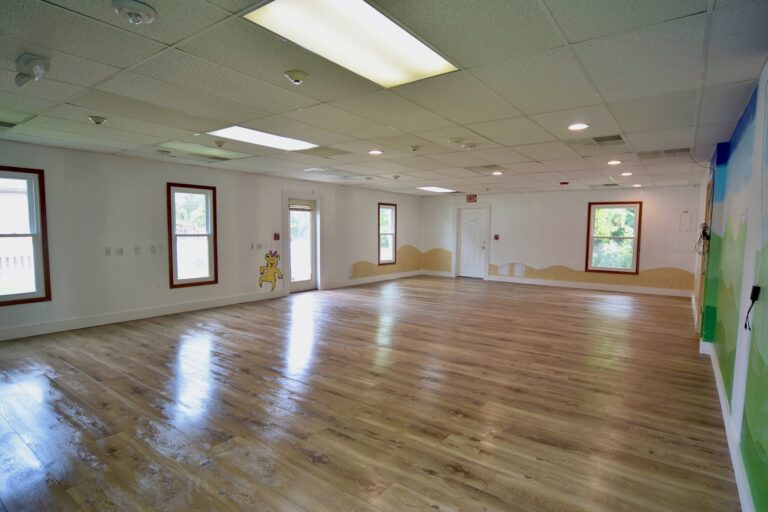
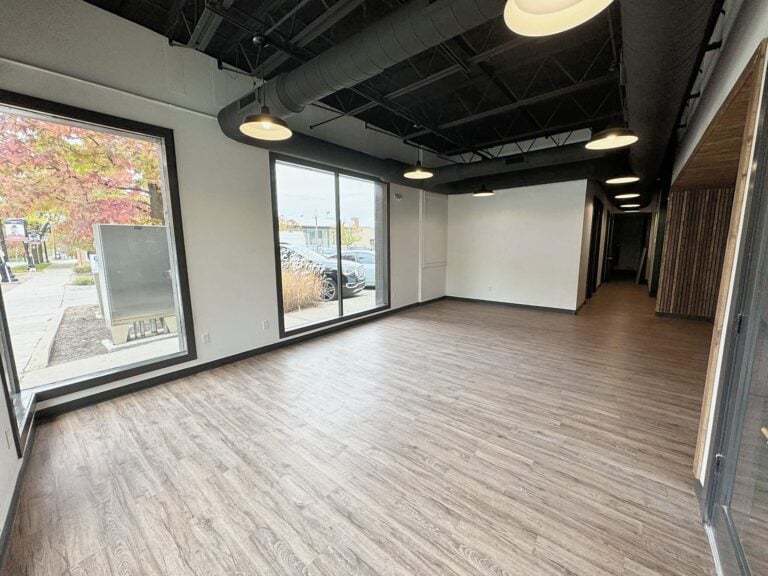
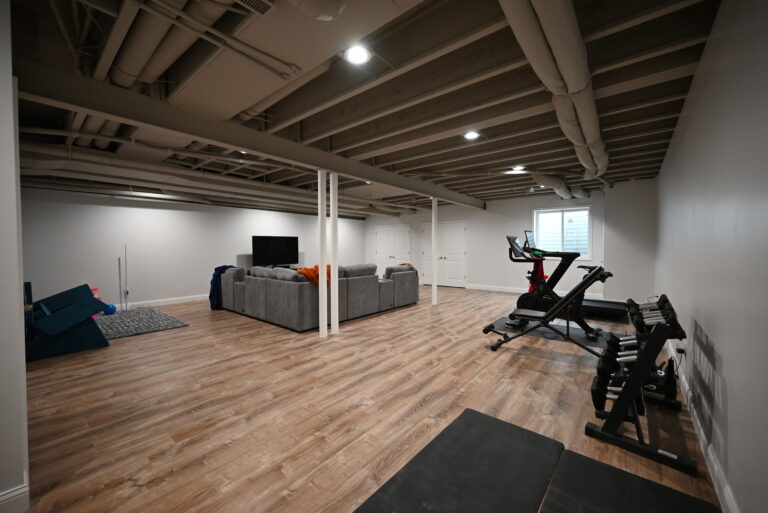
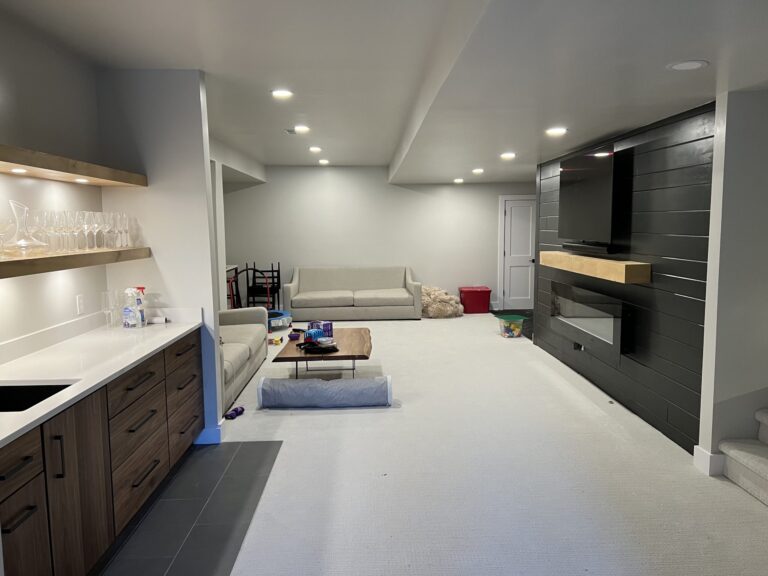
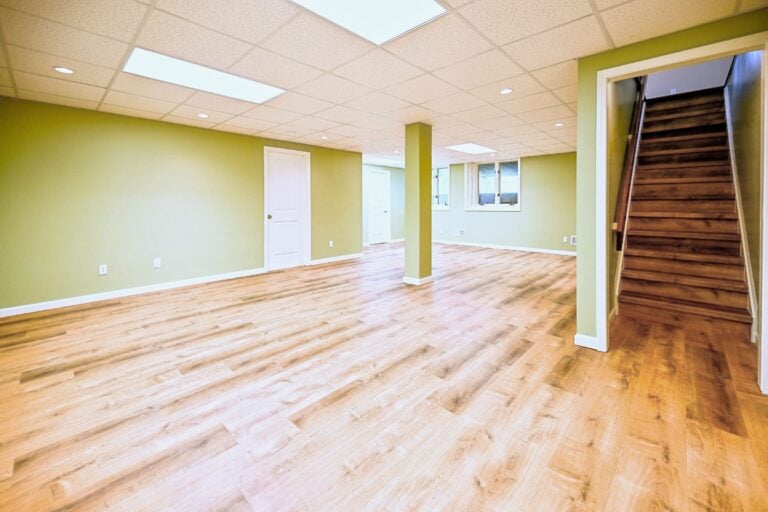
The good news is that most of what prospects react to in a vacant commercial space is cosmetic and quick. A suite that looks clean, bright and neutral lets a tenant imagine their business in it. That’s a much easier conversation than one that starts with what needs fixing. It’s also why a turn usually pays for itself faster than holding out for the perfect tenant.
Turn, white box or build-out
Before you spend a dollar, decide how far to take the space. Brokers use a few terms for this, and they mean different things. The right choice depends on the suite’s condition, how fast you want to lease it and how specific your likely tenants are. Here’s how the three most common approaches compare.
| Approach | What it includes | Best for |
|---|---|---|
| Suite turn | Paint, flooring, ceiling tile, lighting, doors and small repairs; walls stay put | Tired second-generation suites that need to show well fast |
| White box | Finished drywall, paint, a working ceiling grid, basic lighting, a code-compliant restroom and working heat and cooling | Gutted or raw spaces you want to market as move-in ready for finishes |
| Build-out | New walls, plumbing and electrical designed around a signed tenant | After a lease is signed and the tenant’s needs are known |
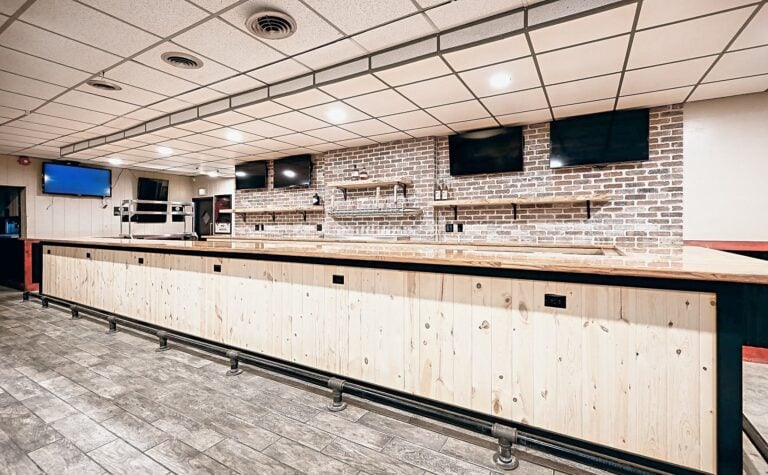
A white box often lands close to a turn, except it may include work that was never done, like finishing raw walls. If a former tenant left a dentist’s plumbing or a restaurant’s grease lines behind, the job starts with demolition and capping. That’s still quick when it’s planned well. Our guide to vacant restaurant spaces covers what to do when the next tenant wants to keep that equipment.
The finish standard that leases
A turn isn’t the place for trendy finishes. The goal is a suite that photographs well, survives a few years of tenant traffic and doesn’t date itself. We lean on a short, proven list, and most landlords end up making it their standard across every building they own.
The flooring choices draw on the same product knowledge we use in homes, scaled up for heavier traffic and commercial warranties. When the paint needs a refresh between tenants rather than a full turn, our interior painting crews can handle a single suite quickly.
Small details that change a walk-through
Prospects judge a suite in the first minute. A loose door handle, a missing outlet cover or a stained ceiling tile tells them the building isn’t cared for. Every turn we run ends with a punch list built around those details: new switch plates, an aligned ceiling grid, caulked trim, clean vents and working blinds. None of it is expensive, and all of it shows.
Doors are a common culprit. A door that drags or a closer that slams can undo a fresh coat of paint, and our door repair service fixes those quickly. Drywall dings and old anchor holes get patched through drywall repair before paint goes on.
What to spend on and what to skip
The best turns spend money where prospects look and skip anything a future tenant might tear out. Fresh paint, clean floors, bright lighting and a restroom that works earn their keep in every vacant commercial space. Custom millwork, bold colors and new walls usually don’t, because the next tenant will want their own layout and you’ll pay twice.
Watch for problems that hide behind finishes. Water stains on ceiling tile can mean a roof or plumbing issue, and soft spots under old carpet can mean a failed subfloor. We price those risks openly in the turn budget, and our post on hidden renovation costs explains how we flag them. Fixing the cause before the cosmetics keeps the new finishes from failing in a year.
If a turn fits the budget but the timing doesn’t, ask about renovation financing through our lending partners. A suite that leases two months sooner often covers its own cost. And because we’re a design-build contractor, the same team that prices your turn builds it, so there’s no handoff between estimate and crew.
Restrooms and entries carry the most weight
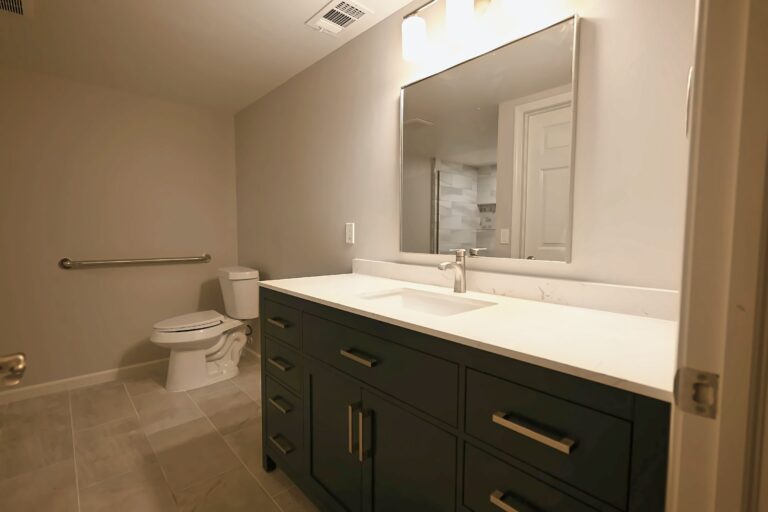
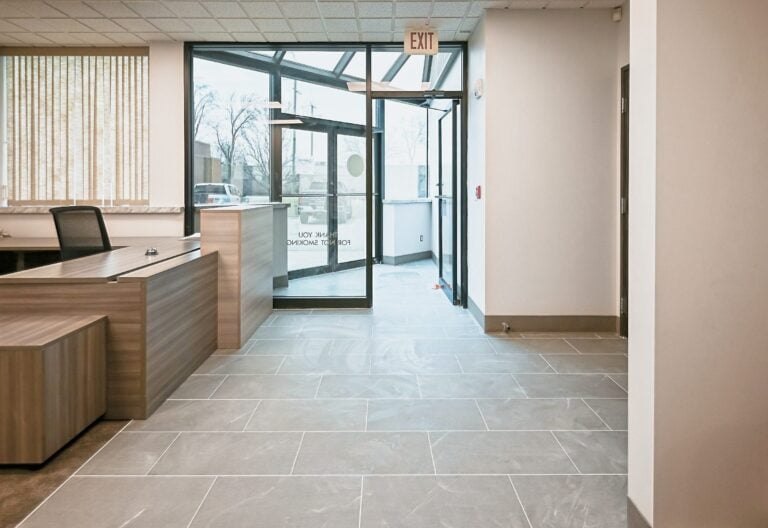
Entries and restrooms shape a prospect’s opinion more than any other part of a suite. A dented door or a restroom with a cracked sink can undo everything else. Where a restroom needs grab bars, a lower sink or a wider door to meet current rules, we handle that through our ADA compliance contractor work without adding a second contractor.
Accessible suites lease to a wider pool of tenants, including businesses whose customers or staff use wheelchairs. If the restroom needs more than new fixtures, our commercial restroom remodel page explains how we rebuild them. For a deeper look at the rules, read our post on ADA compliance for small businesses.
A turn budget brokers can use
The slowest part of most turns is getting a price. We walk the suite with the owner or broker, measure it and return a one-page turn budget within 48 hours of the walk-through. It lists the scope line by line, gives a low and high range, states the working days the turn should take and names an earliest start window. Nothing is bundled out of sight.
Listing brokers find the budget useful on its own. It tells a prospect what it would take to make the space their own, and it gives the landlord a real figure when the conversation turns to a tenant improvement allowance. It turns a vague promise into a number both sides can plan around.
Have a suite sitting empty? We’ll walk it and send a written turn budget within 48 hours.
Contact us todayTiming the turn to the lease
When you know the lease date, we build the schedule backward from it. When you don’t, we aim to have the suite ready before the next showing season. Either way, materials are ordered when the contract is signed and staged before the crew arrives, and electricians and plumbers are booked up front so a fixture swap never holds up the paint crew.
Most cosmetic turns don’t need a permit, but some do. Replacing light fixtures on an existing circuit usually doesn’t; adding outlets, moving a wall or changing a restroom usually does. We check with the local building department before quoting a start date. Our build-out timeline guide explains how permits fit when a turn grows into more.
Working around the rest of the building
Turns rarely happen in empty buildings. Neighboring tenants are working, the lobby is open and the parking lot is full. We protect common areas, keep noisy work to agreed hours and haul debris the way your property manager prefers. On our Troy title office renovation, the business stayed open the whole time its space was rebuilt around it.
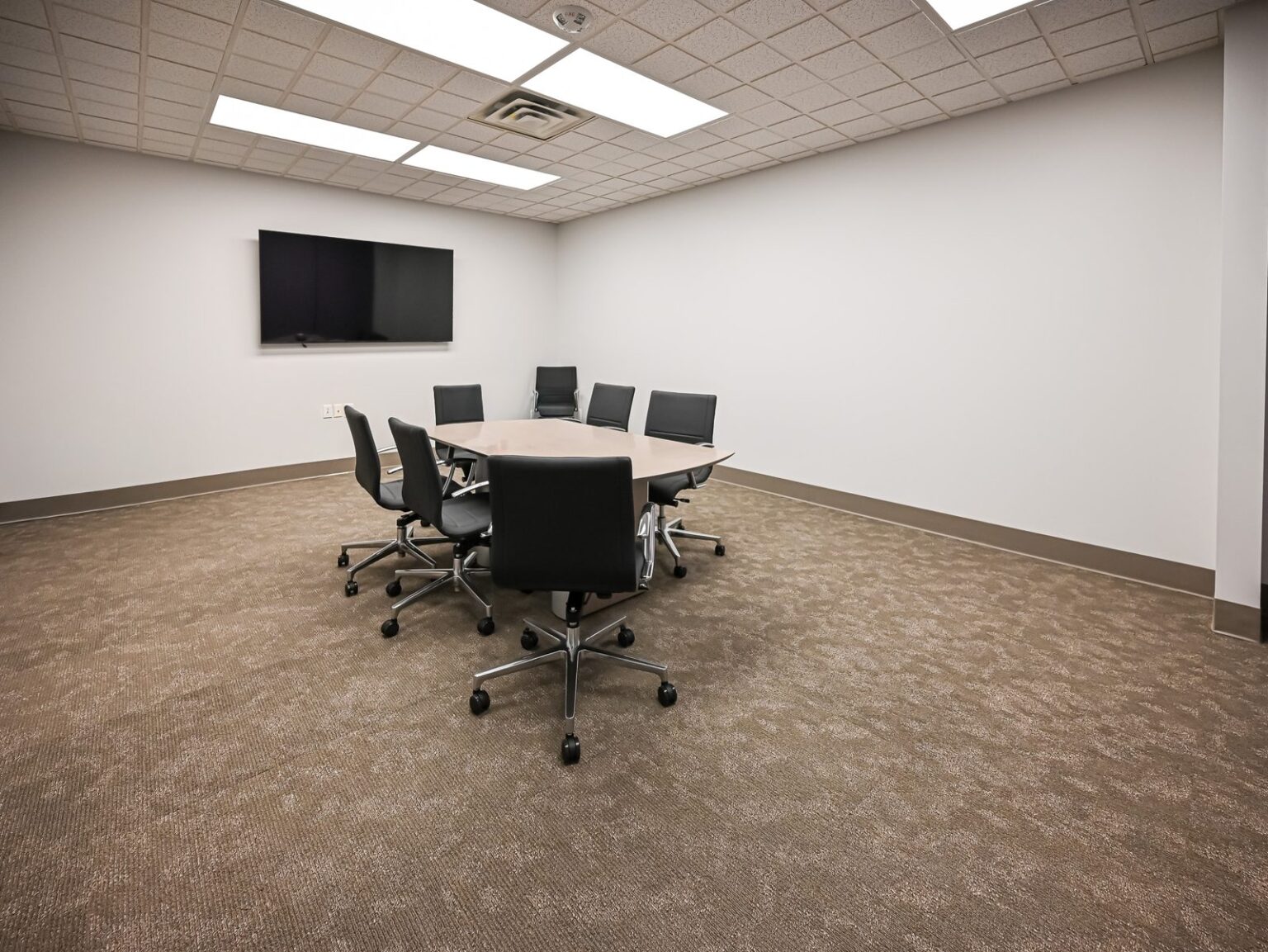
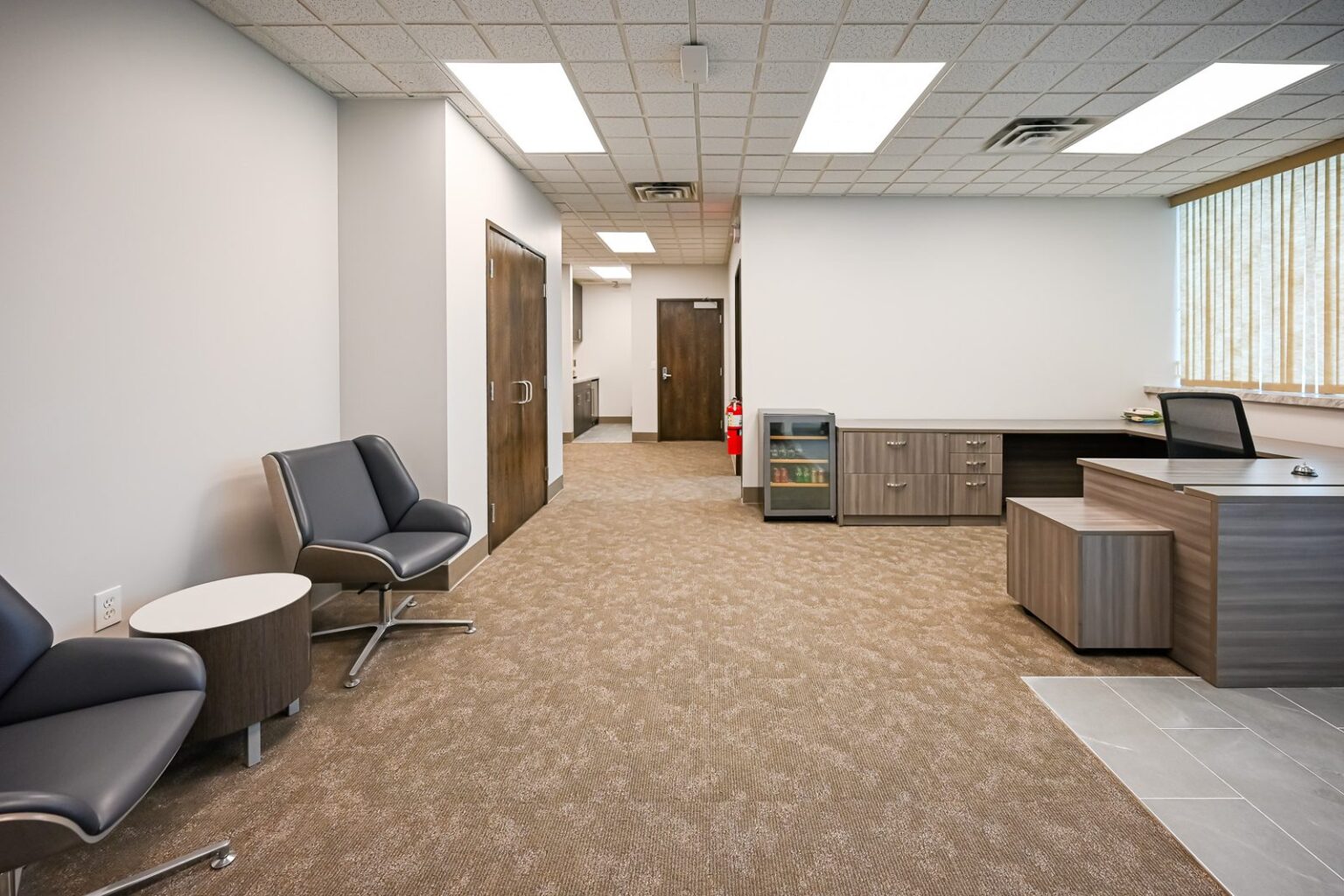
Photos sell suites before showings do. Schedule the listing photos for the day after the final clean, with every light on and the blinds open. A bright, empty suite with fresh carpet tile and clean walls reads as move-in ready online, which is where most prospects decide whether to tour. Our finished project gallery shows the kind of finished rooms that photograph well.
Standards for property managers with many suites
If you manage several buildings, one contractor who knows your standards saves time on every turn. We can set a finish schedule for your portfolio, so every turn uses the same paint, flooring and fixtures. Buildings stay consistent, and each new turn prices faster because the materials and labor are already known.
Between turns, the same managers usually need help with everyday fixes. Our repairs division handles small calls, and rental turnover repairs cover apartments between tenants. Owners of larger residential properties can lean on our multifamily renovation team for common areas and unit turns.
Office, retail and clinical suites
Office suites are the most common turn: clean walls, durable carpet tile, bright even lighting and a break room that doesn’t look worn. Our office renovation services cover the bigger version when a tenant wants new walls. Retail suites need a clean storefront, a floor that handles traffic and lighting that shows merchandise, which our retail renovation work handles.
Clinical suites need more care, since the last tenant may have left plumbing or equipment behind. Our medical office renovation and dental office construction pages cover what changes when a clinical tenant moves in or out. We work across Ann Arbor, Ypsilanti, Plymouth, Novi and Livonia, plus the rest of our six-county area.
Questions landlords ask about vacant suites
How long does a suite turn take?
It depends on the suite’s size and condition. Every turn budget states the working days for that specific space, along with an earliest start window, so you can tell prospects when it will be ready to show.
Will you price from my broker’s or architect’s scope?
Yes. If a broker or architect has already defined the work, we’ll price and build it as written, and flag anything that won’t work in the field before it costs you money.
Do I need to be at the building during the work?
No. Most owners hand over keys and get photo updates as each phase finishes. A final walk-through closes the job, and any punch-list items are fixed before the last invoice goes out.
Ready to fill your suite
Tell us the address, the suite size and when you’d like it showing. We’ll walk it, then send a written turn budget with scope, a price range and a day count within 48 hours. Send us your project details and we’ll set up a time Monday through Friday, 8 a.m. to 4 p.m.