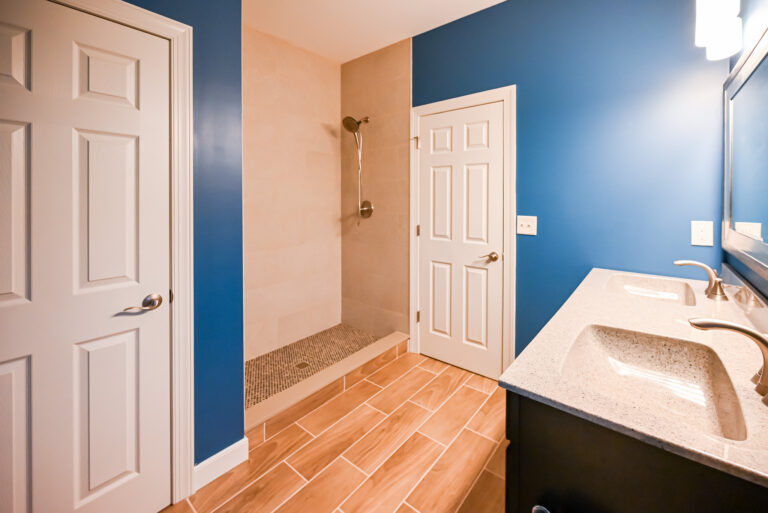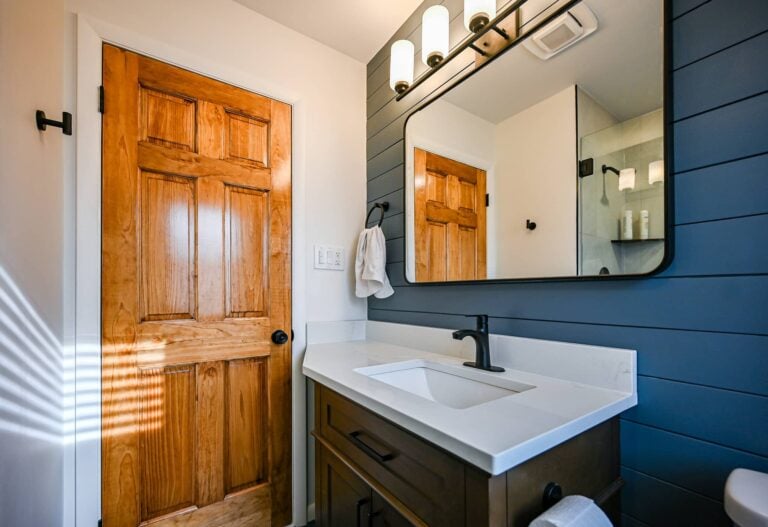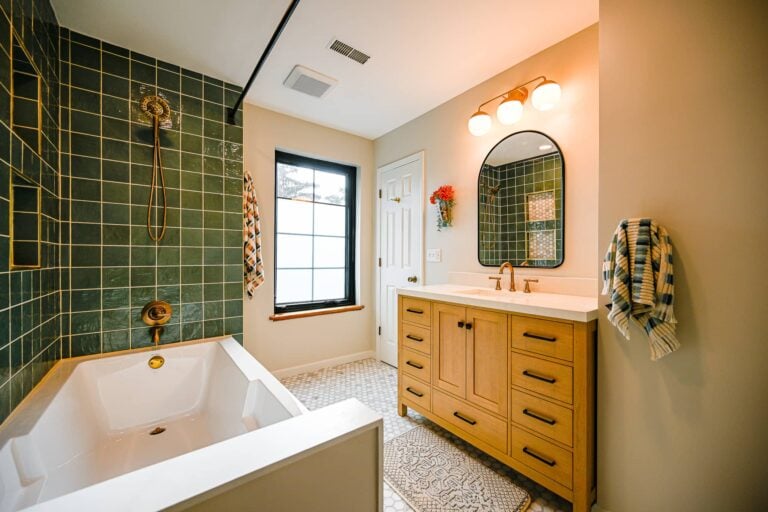
A steam room is a sealed box that happens to be beautiful
A steam room is a fully waterproofed, vapor-sealed enclosure with a generator pushing saturated steam into it at around a hundred and fifteen degrees. It is not a shower with a steam head added. Everything about the assembly changes, because steam finds gaps that water never does and it drives moisture into any cavity you leave it.
Market ranges in Southeast Michigan. A steam shower system, meaning the generator, controls and head, runs $3,000 to $6,000. The enclosure around it is a tiled shower build, so large-format porcelain runs $12 to $25 per square foot installed and a frameless glass enclosure runs $1,800 to $3,500. A traditional dry sauna, which is a different appliance and a different room, runs $8,000 to $15,000 installed.
Put together, a steam conversion inside an existing shower footprint generally lands between $9,000 and $18,000. Building the enclosure new as part of a master bathroom project sits higher, because the shower itself is then part of the cost. Those are market figures rather than a quote.
Steam or sauna, because they are not the same thing
Steam runs wet: around a hundred and ten to a hundred and twenty degrees at a hundred percent humidity. Sauna runs dry: a hundred and fifty to a hundred and ninety degrees at very low humidity. They feel completely different, they are built completely differently, and choosing between them is the first conversation rather than a finish detail.
A steam room is tile, glass and a vapor barrier, and it can live inside a bathroom you already have. A sauna is an insulated cedar or hemlock room with a heater, it does not need plumbing, and it more often goes in a basement or a spare room than in a bathroom. Our writeup on home saunas and steam rooms in Michigan walks through the comparison, and if the space is downstairs the basement finishing page is the better starting point.
The practical difference for most households is who will use it. Steam is gentler on the lungs and better for anyone who finds dry heat harsh. Sauna gets hotter, heats faster and does not put moisture into the building. In a Michigan winter both get used considerably more than the owners expected, which is the most consistent feedback we hear.
The details that decide whether it works
Five specifications separate a steam room that performs from an expensive shower that fogs up.
- A continuous vapor barrier behind the tile on every surface including the ceiling, lapped and sealed. Any gap becomes a moisture path into the framing.
- A sloped ceiling, around two inches of fall per foot, so condensation runs down the walls instead of dripping on your head.
- A generator sized to the enclosure volume, not to the floor area. Glass, stone and an unsealed ceiling all raise the requirement.
- A full-height glass door with no gaps, including a threshold sweep, because a standard shower door leaks steam at the top and the room never reaches temperature.
- A capped ceiling height, ideally no more than about seven feet inside the enclosure, since every extra cubic foot is volume the generator has to fill.
The generator itself needs a home. It is typically a cabinet-sized unit installed within a reasonable pipe run of the enclosure, in a vanity base, a linen closet or an adjacent utility space, with access for service. Most residential units want a dedicated 240-volt circuit, a water supply and a drain line, so the electrical panel gets counted at design rather than at rough-in. The plumbing and fixture page covers the rough-in side.
Ventilation is the part that protects the rest of the house
A steam room deliberately fills a space with saturated air, and that air has to leave afterward. Where it goes is the difference between a spa and a mold problem in the joist bay above.
The sizing rule is different from a normal bathroom. A standard bathroom wants about one cubic foot per minute of exhaust per square foot of floor, with fifty as the code minimum under a hundred square feet. A room with a steam shower or a large soaking tub wants one and a half CFM per square foot, then another ten to twenty percent on top to cover duct losses. The fan runs after the session, not during it, on a timer or a humidity sensor.
Duct details matter as much as the fan. The duct diameter matches the fan outlet, it is rigid metal or insulated flex rated for the purpose rather than dryer hose, and every ninety-degree elbow costs roughly fifteen feet of equivalent length in airflow. Where it crosses an unconditioned attic it gets R-6 or R-8 insulation, because an uninsulated duct in a near-zero attic condenses inside itself and rains back into the fan housing. And it terminates at a roof or sidewall cap, never into the attic, which is a code violation in Michigan and a very expensive one. Full detail is on the lighting and ventilation page.
Where it goes, and what it takes over
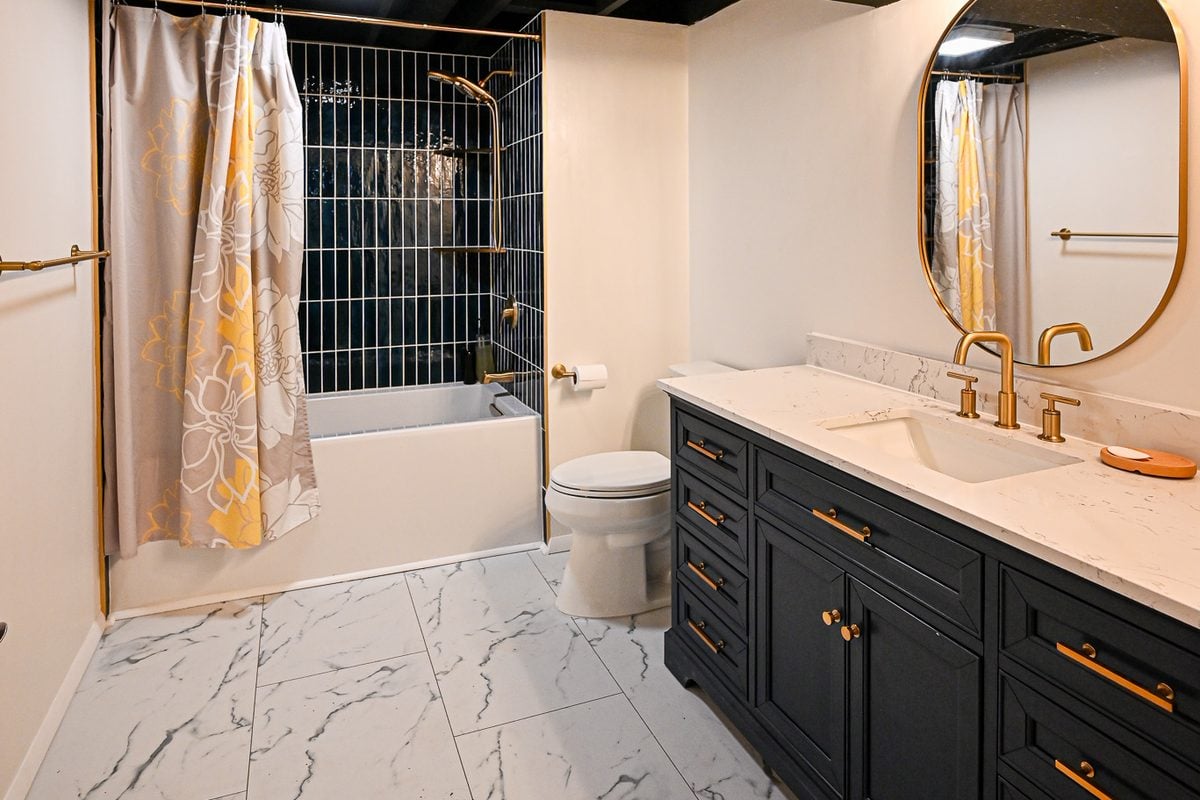
The cheapest steam room is the shower you already have, if it is at least about three feet by four and has a solid enclosure that can be rebuilt. The conversion is real work rather than an add-on, since the tile comes off, the vapor barrier goes in and the ceiling gets sloped, but you are not moving plumbing or taking floor from another room.
The next option is expanding into adjacent space. A linen closet backing onto a bathroom, an oversized hall, or the corner of a bedroom are all places we find the extra foot that turns a cramped shower into a room you can sit down in. A bench is what makes a steam room worth having, and a bench needs depth.
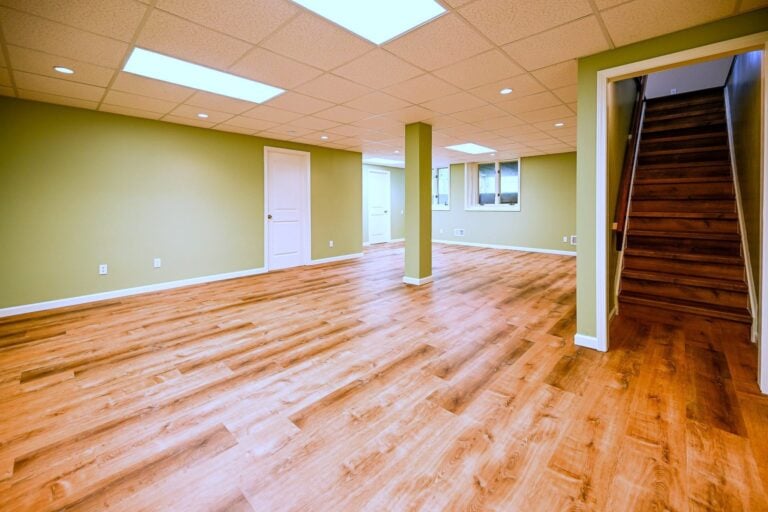
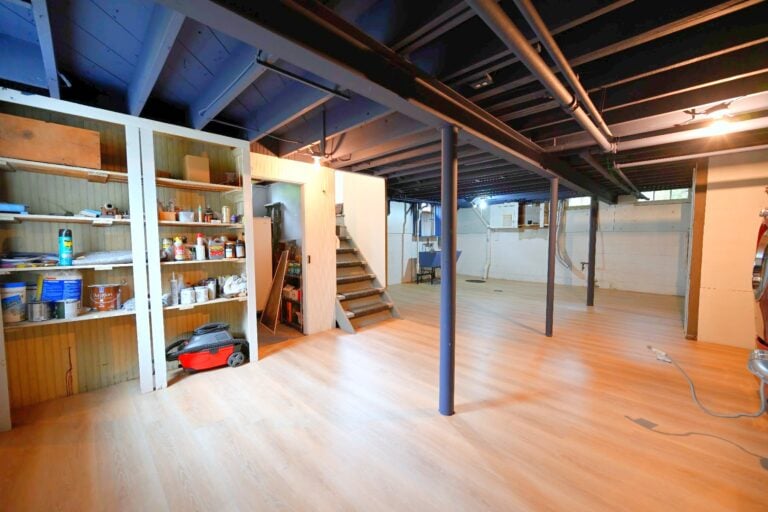
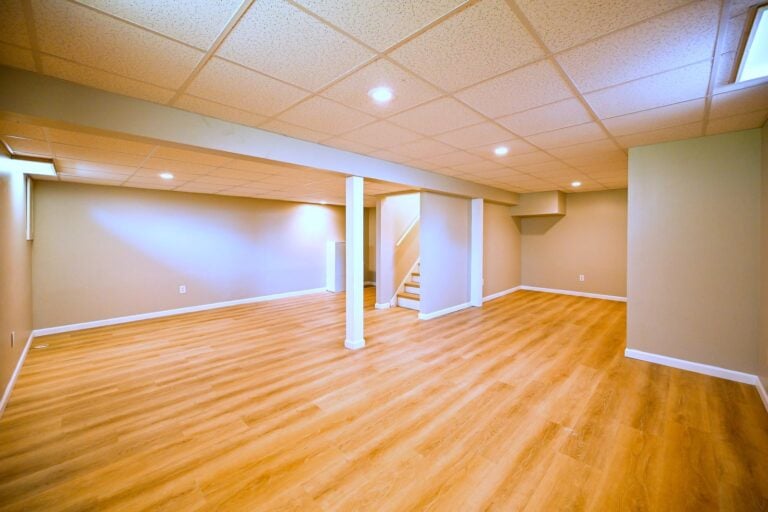
Below grade is the third option and it is often the best one. A lower level has the ceiling height question and the drain elevation question, but it also has space, and a steam room next to a basement bathroom or a wet bar turns a finished basement into something people actually go downstairs for. If the sanitary line leaves above the slab, the drain needs an ejector pit, and that is a line item worth knowing on day one.
Timeline and living through it
Design and selections run two to three weeks, with generator sizing and the electrical check happening in that window. Construction runs three to five weeks for a conversion inside an existing footprint, and longer if the enclosure is being built new or the space is being expanded. The tile stage is the long pole, because waterproofing, thinset and grout each need cure time and none of them can be rushed.
You lose that shower entirely for the duration. If it is the only shower in the house, say so at the first meeting and we sequence around it, tell you the exact days you will need somewhere else, and keep the toilet in service as long as the rough plumbing allows. Interior work runs through a Michigan winter without a weather delay, which is why steam and sauna projects fill our January and February calendar. A guest bathroom elsewhere in the house is what makes that stretch comfortable.
One realistic note about after. A steam room wants the door left open to dry between uses and the fan run on its timer every time. Households that treat it as a set-and-forget luxury get grout problems. It is a five-second habit and it is the whole maintenance story.
What to look at before you spend anything
Measure the inside of your current shower. Under about nine square feet there is no room for a bench and a steam room without a bench is a standing sauna nobody uses twice. Then look up: is the ceiling flat, and is there space above it to build a slope, or is the joist bay right there. Then open the electrical panel and count spare spaces, because a 240-volt circuit needs two of them.
Then find the fan. If your existing bathroom fan is loud, undersized or vents into the attic, that gets fixed as part of this project rather than after it. And check the ceiling in the room below the bathroom for any staining, because a steam room built above an existing slow leak is money spent on top of a problem. Our tile and flooring page covers the assembly that goes in once those answers are known.
Questions we get asked
Will it damage my house
Built correctly, no. Built without a continuous vapor barrier or without adequate exhaust, yes, and the damage lands in the framing and the ceiling below rather than in the room you can see. This is the wrong project to buy on price.
Can I add steam to my existing shower without retiling
Almost never. The vapor barrier and the sloped ceiling are behind the tile, so getting to them means removing it. Anyone offering to add a steam head to a standard shower and call it a steam room is selling you a fogged-up shower and a future repair.
Does it add value at resale
In this market a steam shower reads as a premium feature in a primary bathroom and tends to help. A sauna is more polarizing, and it helps most in a house where the rest of the finish level supports it. The bathroom remodel return piece has the local numbers.
What does it cost to run
Less than people expect. A generator draws heavily but only for the twenty to forty minutes it runs, so the operating cost is closer to running a clothes dryer than to heating a room. The bigger ongoing cost is the habit of leaving the door open and running the fan.
Come sit in your shower with us
We are a design-build contractor in Ypsilanti, so the drawings, the permits, the electrical and the crews sit under one contract. See how a project runs, view our portfolio, or read up on Michigan bathroom costs. Related work is on walk-in showers, freestanding tubs and bathroom upgrades.
Contact us now for a free quote, or call the shop at (734) 540-0347. Ten minutes with a tape inside your existing shower tells us whether this is a conversion or a rebuild. Request an estimate to get started, or see the bathroom design page for how selections work.
What is in the price and what is not
A Wright’s steam room budget includes design and permit drawings, permits and inspections, demolition of the existing enclosure, framing including the sloped ceiling, a continuous vapor barrier lapped and sealed on every surface, backer board, waterproofing membrane, tile and epoxy grout, the bench, the drain and its slope, the generator with controls and steam head, the electrical circuit, the sealed glass door and enclosure, exhaust sized for the space, and daily photo updates.
It does not include a service upgrade if the panel cannot take a dedicated circuit, an ejector pit if the space is below grade and the drain has nowhere to fall, or remediation of framing found damaged once the old tile is off. Each comes to you as a written change order with the cost and the schedule effect before work continues. Aromatherapy, chromotherapy lighting and audio are available and priced as options rather than assumed, since plenty of households never use them.