
Choosing a Home Remodeling Contractor in SE MI: July 2026 “Google Reviews” Edition
In July 2026, plenty of Southeast Michigan homeowners opened Google to compare contractors and found something odd. Reviews were missing. Star counts had dropped toward zero on some listings, and business owners saw “no reviews yet” on profiles that had collected hundreds. Google later confirmed a bug was to blame. If you are trying to work out how to choose a remodeling contractor and the reviews you were leaning on vanish overnight, a bigger question surfaces: how much should a star rating really decide who renovates your home?
Not much, it turns out. The homeowners who still feel good about their kitchen remodel or basement finishing project a year later almost never picked their builder on rating alone. They checked the license. They called references. They read the estimate twice. This guide gives you the full method, plus the cost data, the questions and the Michigan-specific checks that a five-star average will never show you.
What happened to Google reviews in July 2026
The trouble started around July 9. Business dashboards began reporting zero reviews while the public listings still showed them, then the symptoms spread. Some profiles stopped accepting new reviews. Others lost their review count on Search and Maps entirely. For a homeowner mid-search, a contractor with 300 reviews could look brand new by accident.
On July 15, a Google spokesperson said the company was fixing an issue that temporarily kept some merchants from seeing reviews on their dashboard, and confirmed those reviews stayed published on Search and Maps. Two separate problems overlapped that week, with different symptoms, as tracked by ALM Corp and Search Engine Roundtable. The reviews came back. The lesson stuck around.
Here is the point. The number on a listing is a live feed controlled by a third party, and it can be wrong on any given day. It can also be inflated on purpose. Either way, it is thin evidence for a decision that often runs past $50,000. You need a way to judge a builder that does not depend on a count Google can zero out by mistake.
Why a star rating was never enough, even before the outage
Even on a normal week, a star average hides more than it shows. Google prohibits offering discounts or gifts in exchange for reviews, and it tightened enforcement on that in 2026, but incentivized and gated reviews still slip through across the industry. A polished 4.9 can be the result of asking only the happiest clients to post. A 5.0 built on 11 reviews tells you far less than a 4.8 built on 250.
Averages also flatten the detail that actually matters. A contractor might rate well for quick service calls and still have almost no experience with a home addition or a load-bearing wall. Reviews rarely mention whether the estimate held, whether change orders were explained in writing, or whether the crew swept the floor before leaving. Those are the things that decide how a six-figure project feels while you live through it, and they never show up as a number.
How to choose a remodeling contractor: the 15-minute background check
Learning how to choose a remodeling contractor comes down to a short, repeatable process, and it takes an hour of homework that most people skip. The five checks below carry more weight than any rating. Run all five for every contractor on your short list, not just the one you already like. The point is to compare builders on the same terms, with the same evidence in front of you.
| What to verify | Where to check it | What good looks like | Walk away if |
|---|---|---|---|
| State license | Michigan LARA license lookup | Active builder or M&A license in the company’s name | No number, or a name that does not match |
| Insurance | Certificate of insurance from the builder | General liability and workers’ comp, current dates | “We’re covered,” but no certificate |
| Real work | The company’s project portfolio | Recent local projects like yours, with photos | Only renderings or stock images |
| References | Three recent clients you call | Similar scope, under a year old, would rehire | A vague list, or none offered |
| Written estimate | The proposal itself | Line-item budget, allowances, payment schedule | One lump sum and “trust me” pricing |
Confirm the license and who holds it
Michigan requires a residential builder or a maintenance and alteration contractor license for most remodeling work, issued through the state licensing department (LARA). Ask for the license number, then confirm it is active and that the name on it matches the company you are hiring. A salesperson working under someone else’s license is a common gap.
While you are on the state site, check for disciplinary history tied to that number, since past complaints are public record and worth a two-minute look. Wright’s Renovations carries its own license and holds an A-plus BBB rating, and both are easy to verify before you ever book a consultation.
Check the insurance, not just that it exists
Every contractor will say they are insured. Ask for a certificate of insurance, and read it. You want general liability coverage and workers’ compensation for anyone on your property. In Michigan, if an uninsured worker is hurt on your job, the liability can land on you. A certificate takes a builder five minutes to produce, and hesitation to share one tells you plenty.
A certificate of insurance should show you:
- General liability coverage with current effective and expiration dates
- Workers’ compensation for the crew, not only the owner
- The insurer’s name and a policy number you can call to confirm
- Your name added as a certificate holder on request
- Coverage limits that fit the size of your project
Look at a real project portfolio
Photos of finished local work beat a star count every time. A project portfolio shows you scope, finish quality and whether a builder has done work like yours. Look for your kind of project, whether that is a bathroom renovation, a rooftop deck or a complete exterior makeover. Ask when each project wrapped and where it was. Recent, nearby and similar is what you are after.
Call references, and ask better questions
Request three references whose projects match yours in scope and are less than a year old. Then call them. A builder comfortable handing over recent numbers is a builder whose numbers held up. One who stalls is telling you how the story ended. Skip the softball questions and ask the ones that surface trouble.
When you get a reference on the phone, ask:
- What changed between the estimate and the final invoice, and why?
- How did the crew handle a surprise once demolition started?
- Did the project finish on the timeline you were promised?
- Was the site clean and secure at the end of each day?
- Would you hire this builder again without shopping around?
Read the written estimate line by line
The estimate is where transparency either shows up or goes missing. You want a line-item budget rather than a single lump sum, allowances spelled out for materials you have not chosen yet, a payment schedule tied to milestones, and a start-to-finish timeline. Wright’s gives you a line-item budget and daily photo updates through JobTread, so you can see where every dollar goes and what the crew did that day. Use the table below to grade any proposal you receive.
| Line | What a transparent builder shows | Warning sign |
|---|---|---|
| Pricing | Itemized by trade and material | A single lump sum with no breakdown |
| Materials | Named products and written allowances | “Allowance to be decided” on everything |
| Payments | Tied to completed milestones | A large deposit demanded up front |
| Timeline | A start date and an honest finish window | “A few weeks,” with no dates on paper |
| Changes | A written change-order process | A verbal “we’ll settle up at the end” |
What Southeast Michigan remodels actually cost in 2026
Price is not the only filter, but it is a fast one. A bid that sits far below every other quote usually means something was left out, and you will meet it later as a change order. The ranges below reflect Southeast Michigan pricing in 2026, so you can spot a number that is too good to be real before it costs you.
| Project | Typical range (Southeast Michigan) | Biggest cost drivers |
|---|---|---|
| Kitchen remodel | $14,000 to $70,000 (Ann Arbor $45,000 to $130,000) | Cabinet grade, countertops, layout changes |
| Bathroom remodel | $16,000 to $35,000 and up | Fixtures, tile scope, moving plumbing |
| Basement finishing | $30,000 to $75,000 ($24 to $61 per sq ft) | Moisture control, egress windows, mechanicals |
| Home addition | $200 to $400 per sq ft | Foundation, roof integration, second-story premium |
| Sunroom | $40,000 to $75,000 and up | Three-season vs four-season, HVAC extension |
| Composite deck | $55 to $120 per sq ft installed | Material grade, railings, frost-line footings |
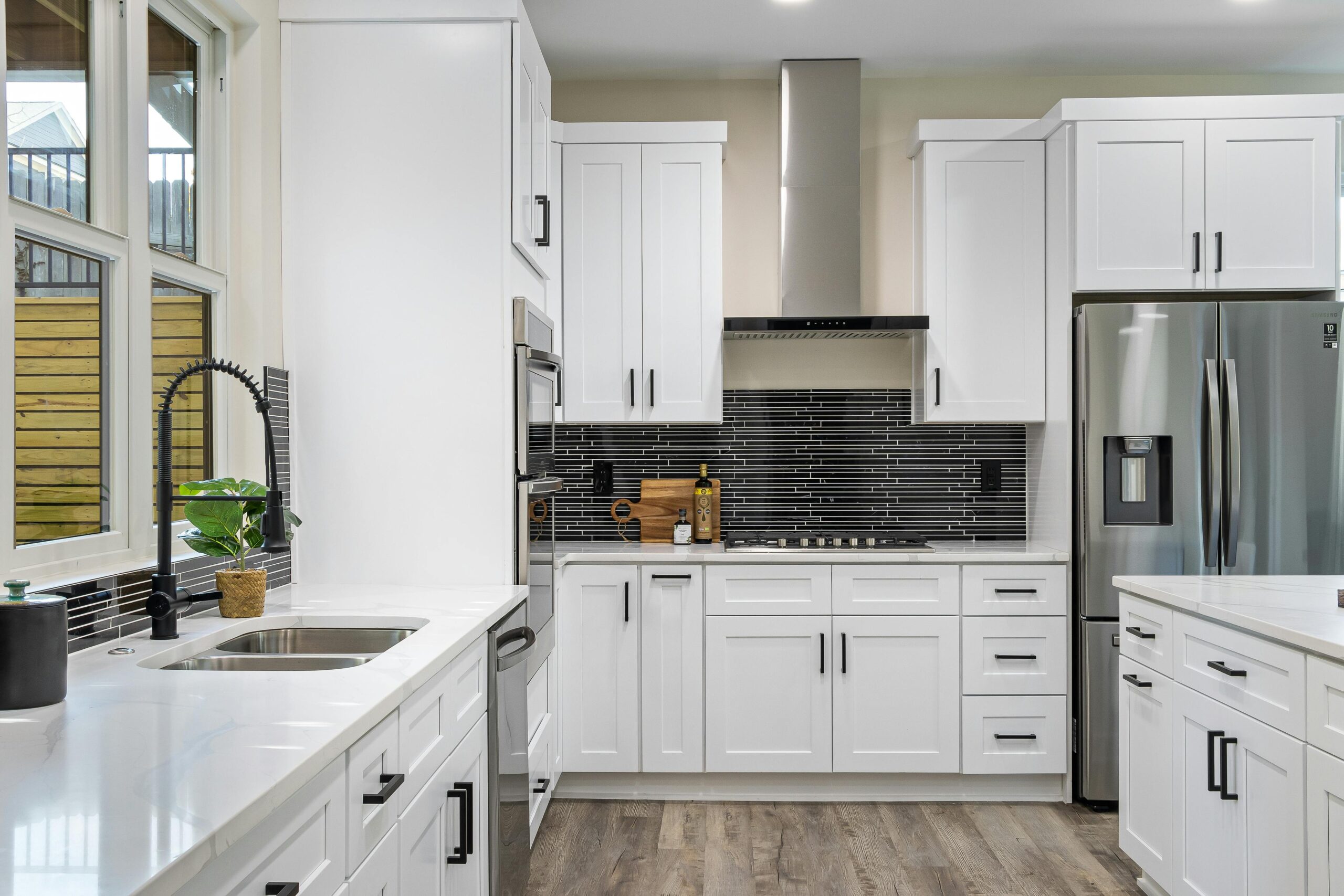
Context turns those numbers into a decision. A $75,000 kitchen in a $489,000 Ann Arbor home is about 15 percent of the home’s value, inside the 10 to 25 percent range where major remodels tend to make financial sense. A $30,000 finished basement project in a $425,000 Canton home is closer to 7 percent, which reads as strong add-on value. You live with the upgrade for a decade, so the payback is comfort first and resale second.
When the scope grows, so does the need for real math. A second-story addition runs near $260 per square foot because of the structural work involved, and a moisture problem can add $5 to $10 per square foot to a basement before a single wall goes up. Our addition cost calculator and our addition cost breakdown for Michigan show how square footage, structure and finish move the total, so you walk into estimates already knowing the ballpark.
Match your questions to your Michigan home
Southeast Michigan homes are not interchangeable, and neither is the work of remodeling them. The right questions change with the era your house was built. A builder who has solved the exact problem your home will hand them is worth more than one with a higher rating and no local experience. Use this to steer the conversation.
| Home type | Common in | What to ask your contractor about |
|---|---|---|
| 1920s to 1940s bungalow | Ann Arbor, Ypsilanti, older Wayne County | Plaster walls, knob-and-tube wiring, settled foundations |
| 1950s to 1970s ranch | Livonia, Royal Oak, Macomb County | Basement potential, load-bearing walls, dated mechanicals |
| 1980s to 2000s colonial | Canton, Novi, Rochester Hills | Opening closed floor plans, HVAC capacity, drywall repair |
| Historic Victorian | Northville and older downtown districts | Preservation-sensitive updates, matching trim and character |
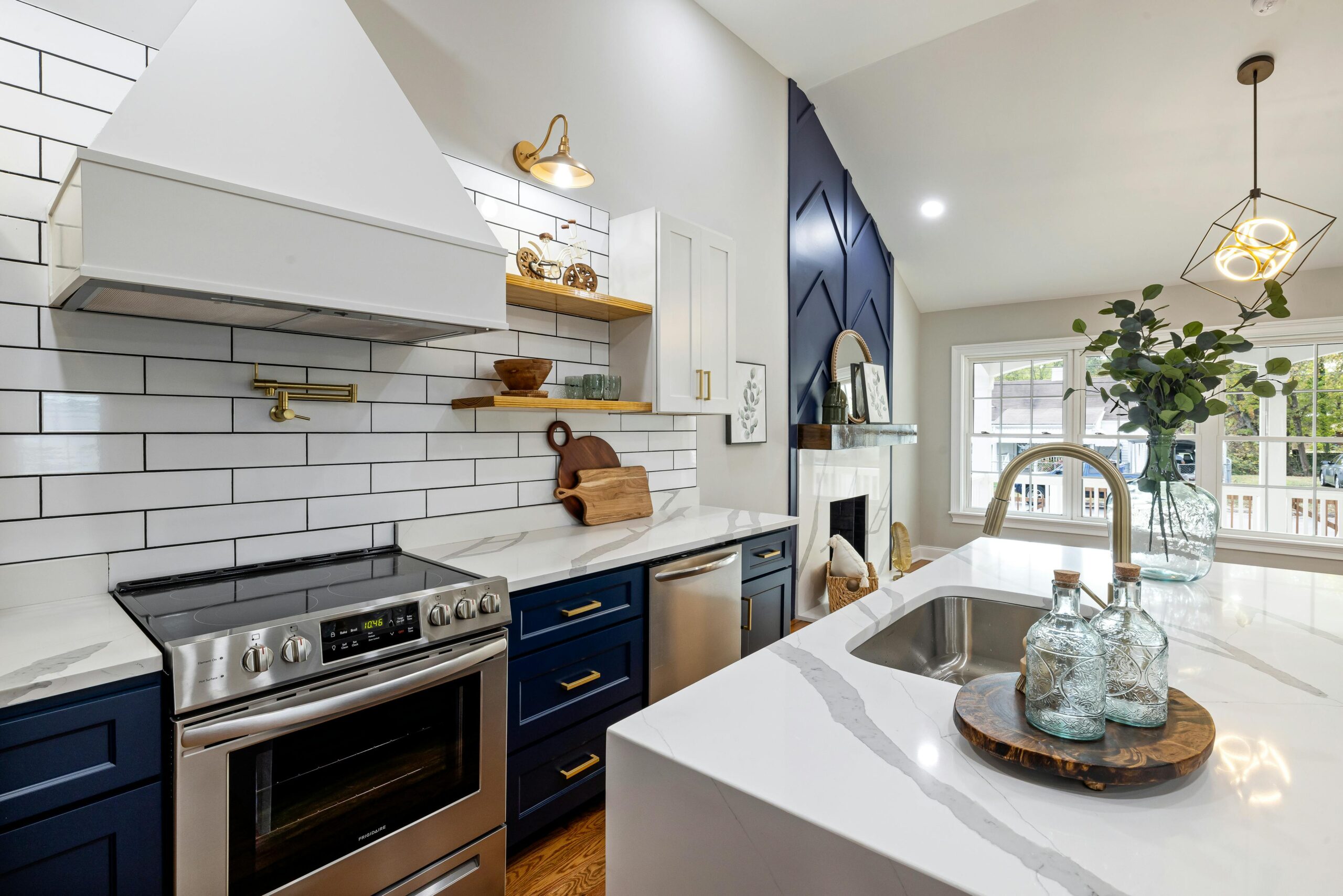
The differences are practical, not academic. Cutting into plaster is slower and messier than cutting drywall, so a bungalow kitchen opening costs and takes more than the same job in a colonial. A 1950s ranch often hides a load-bearing wall exactly where you want an island.
Work on remodeling in Ann Arbor looks different from remodeling in Livonia, and a contractor who has done both across Oakland County and Macomb County can tell you what your walls are likely hiding before demolition day. The same goes for adding a second bathroom to a house that was built with only one.
Questions to ask before you sign
Bring these to every consultation and write down the answers. Specific, consistent answers are a good sign. Vague ones, or a push to sign today, are not. The goal is to hear how a builder thinks under a direct question, not just how they market.
- Who is my point of contact once work starts, and how do I reach them?
- How do you handle change orders and the costs that come with them?
- What is your timeline, and what could realistically delay it?
- Do you use your own crews or subcontractors, and how are they insured?
- What warranty covers the work after the project is done?
Red flags that should stop you
Some warning signs are worth walking away over, no matter how good the price sounds. Trust the pattern more than the pitch, and never let urgency make the decision for you. Any one of these earns a hard pause.
- A large deposit demanded up front, well beyond a normal first draw
- No written contract, or a refusal to itemize the estimate
- Pressure to decide today or lose the price
- No proof of license or insurance when you ask for it
- Cash-only terms with no paper trail
Before you compare bids, gather the same things from everyone
Bids are only comparable when they cover the same scope with the same paperwork behind them. Collect an identical packet from each contractor, then line them up side by side. This is where a slick presentation and a real proposal separate, and where the lowest number often stops looking like the best deal.
- A written, line-item estimate for the same scope of work
- The license number and a current certificate of insurance
- Three recent, callable references in your area
- A payment schedule and a written change-order policy
- A realistic start date and completion window in writing
How reviews still help, once you have done the homework
None of this means reviews are worthless. Once a builder clears the license, insurance, portfolio and estimate checks, reviews take on a narrower and better job: spotting patterns. Read the three-star and four-star reviews, not the five-star ones. Look for repeated themes about communication, cleanup or missed dates. One angry outlier is noise. The same complaint from five different clients is a signal worth raising before you sign.
Pay attention to how a builder answers criticism in public, too. A calm, specific reply that owns a mistake tells you more than a wall of glowing ratings. Reviews work best as a tiebreaker. When two builders both hold clean licenses, carry real insurance and show portfolios you like, the pattern in their feedback can settle it. Used that way, a rating supports a decision you already built on solid ground.
When to book your project in Southeast Michigan
Vetting includes a question homeowners forget to ask: when can you actually start? Michigan’s construction calendar is short, and the builders worth hiring book out. Exterior work has hard weather windows, while interior work runs year-round. Knowing the rhythm helps you lock the right dates and read whether a contractor is being honest about their schedule.
| Project | Best time to lock dates | Why |
|---|---|---|
| Decks, additions, siding, roofing | Late winter to early spring | Beat the November freeze; footings need cured concrete |
| Kitchens and bathrooms | Any season | Interior work runs year-round, weather aside |
| Basements | Fall and winter | Indoor work fills the slow season and the schedule opens |
| Sunrooms and porches | Plan in winter, build in spring | Framing and glazing land before peak booking |
The timing answer doubles as one more vetting signal. If a contractor promises to start a outdoor living space or a screened porch enclosure next week in late October, ask how they plan to pour footings before the ground freezes. Homeowners lining up Rochester Hills projects should reserve spring exterior dates by late winter. A builder who gives you an honest window, delays included, is showing you how they will communicate once the work begins.
Why design-build makes a contractor easier to trust
Most remodeling headaches start at a handoff. You hire an architect, then a contractor, then a project manager, and each one points at the other when something goes wrong. A design-build company handles design and construction under one roof, so one team owns the outcome and the budget from first sketch to final walk-through.
That structure also makes a builder easier to vet. One company answers for the plan and the build, which means one license to check, one insurance certificate to read and one portfolio that shows the whole arc. A second-story addition, a bathroom addition and a mudroom addition each demand structure, mechanicals and finish to line up, and a single accountable team keeps them aligned.
Design-build carries larger and commercial jobs, too. A commercial renovation, a sunroom addition, a home office build-out, a bedroom remodel or smart home integration all move faster when design and construction talk daily. If you are still mapping the area, our contractors near you page and our about our company page lay out where and how Wright’s works.
See the work for yourself
A star rating can vanish on a Tuesday because of a bug in someone else’s software. A license, a certificate of insurance, a folder of finished projects and a line-item estimate cannot. That is how to choose a remodeling contractor you will still be glad you hired a year from now, and those are the things a good builder is glad to put in front of you.
Want to see how that looks across Southeast Michigan? Check out our Portfolio to browse completed kitchens, bathrooms, basements and additions, then contact our team when you are ready to talk through your project. Contracting done Wright.