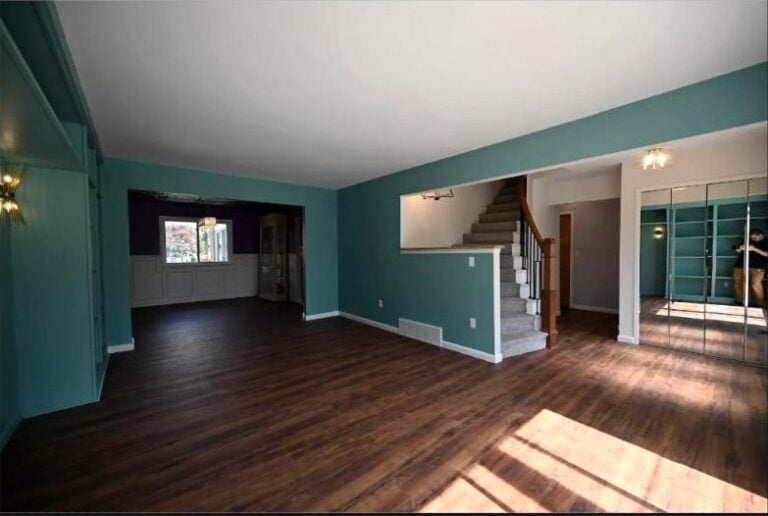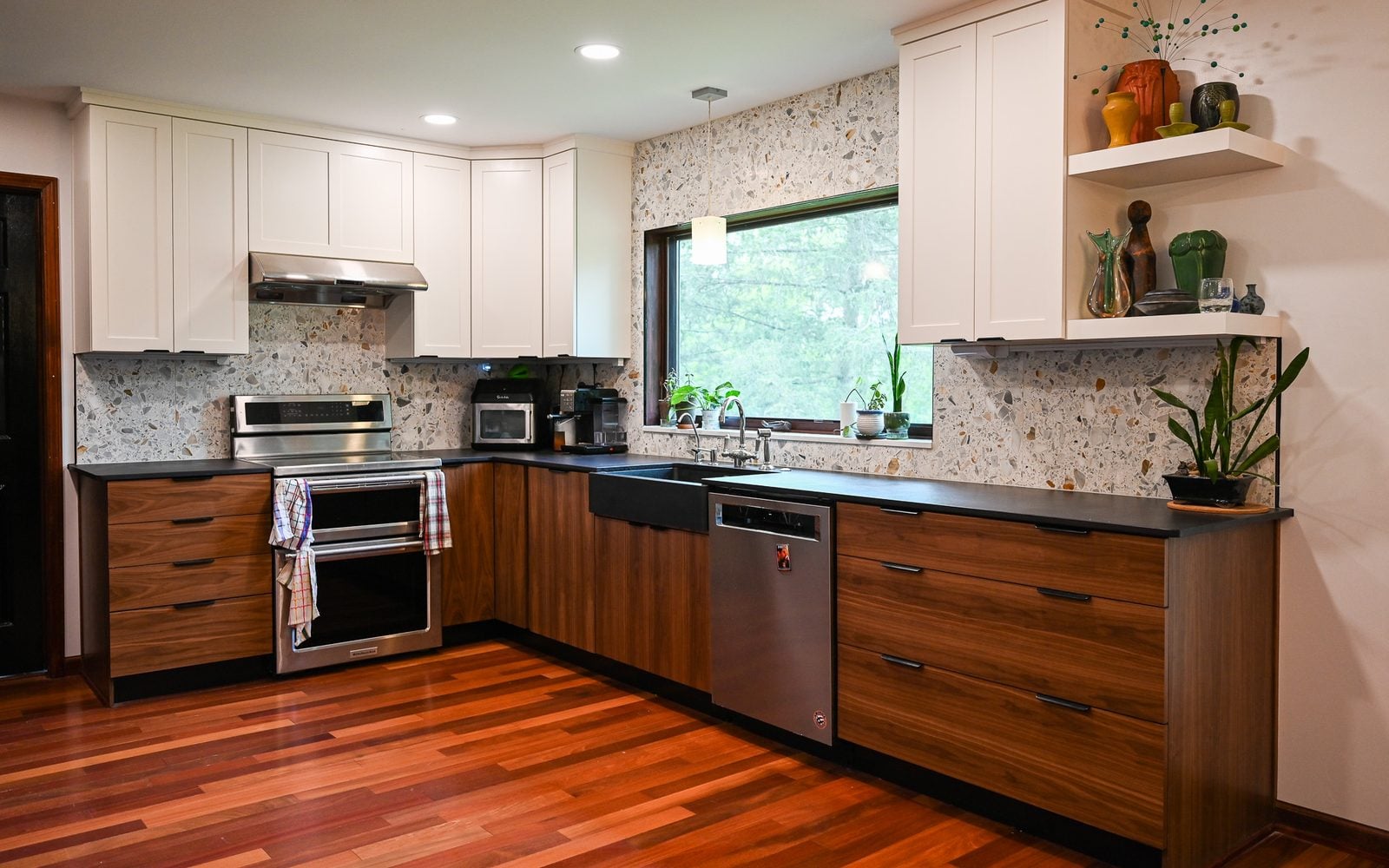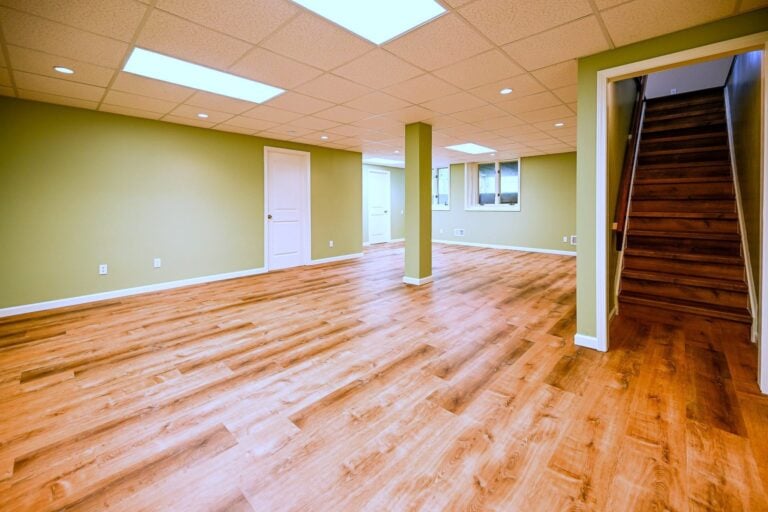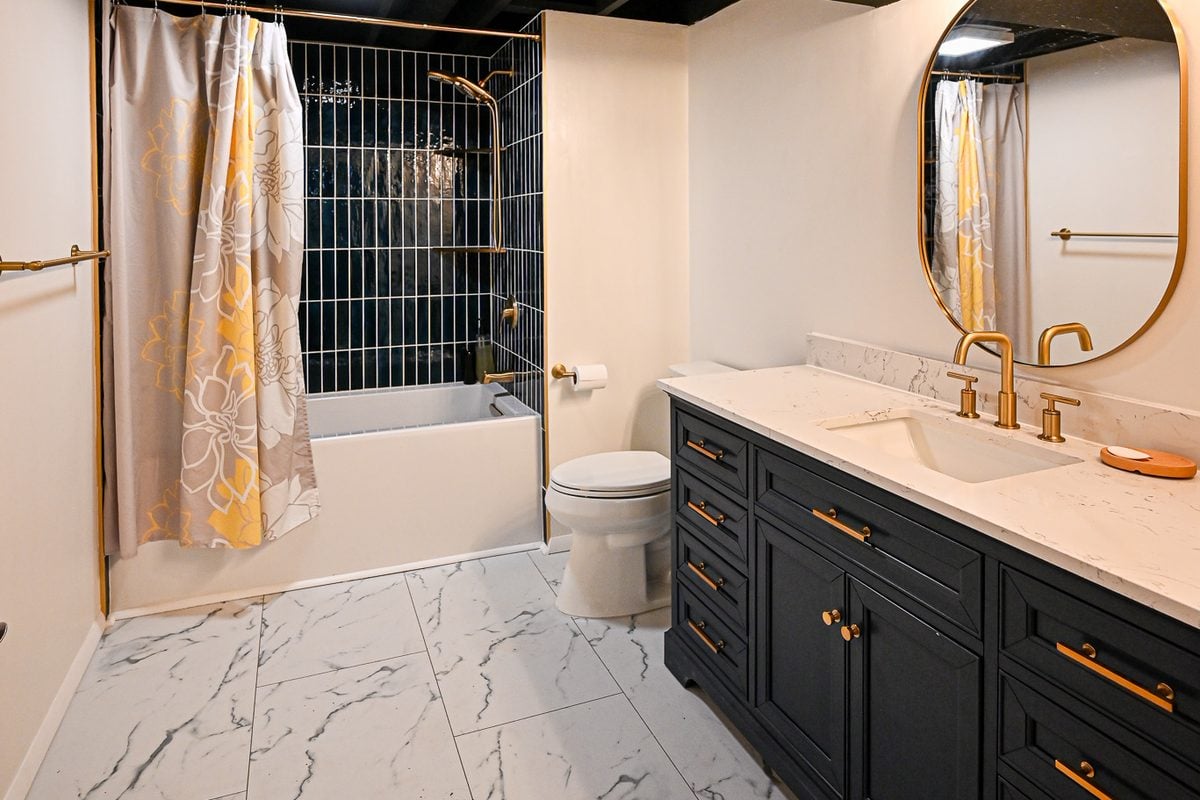
About Wright’s Renovations
The renovation company that shows its math
Wright’s Renovations is a design-build renovation firm based in Ypsilanti, Michigan. Since 2021 the team has completed more than 550 projects across six Southeast Michigan counties, each one priced line by line before the first wall comes down. This page covers who the company is, how it works and why the model earns a 4.9 rating from the homeowners who lived through the dust.

The story
One crew, one pickup and a stubborn idea

Connor Wright founded Wright’s Renovations in 2021 with a single crew working out of Ypsilanti. The idea behind it was plain enough to fit on a business card: homeowners deserve the same clarity from a contractor that they already get from their bank, their doctor and their mechanic.
Renovation had earned its reputation the hard way. Missed callbacks, surprise invoices and month-long silences were treated as the cost of doing business, and homeowners spending life-changing money were told to simply trust the process. Connor thought that was a choice, not a law of nature, and built a company to prove it.
In practice that means fixed-scope budgets a homeowner can actually read, photo updates that arrive before anyone has to ask, and one accountable team from the first sketch to the final walkthrough. It is why the company runs on the design-build renovation model instead of passing plans between an architect and a builder who have never met.
The approach caught on. One crew became six, and the work grew from kitchen remodels and bathroom renovations into larger, more complex builds across the region.
Those crews now take on basement finishing, home additions and nearly everything in between, with schedules that hold because planning happens before demolition, not during it.
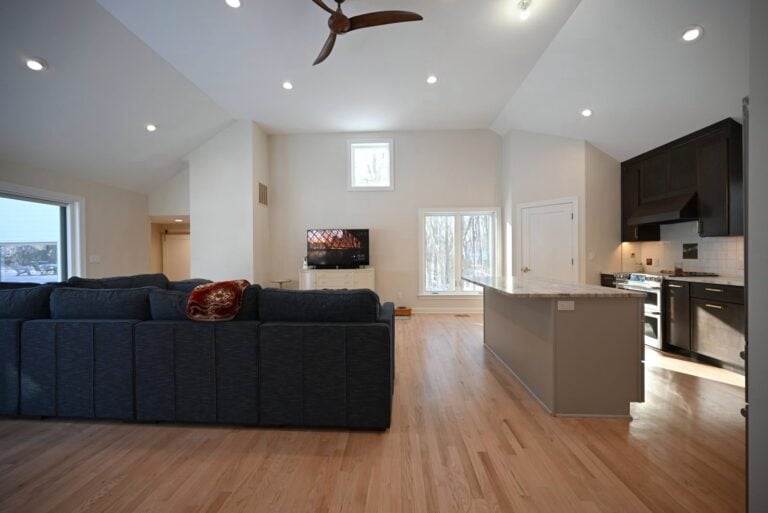
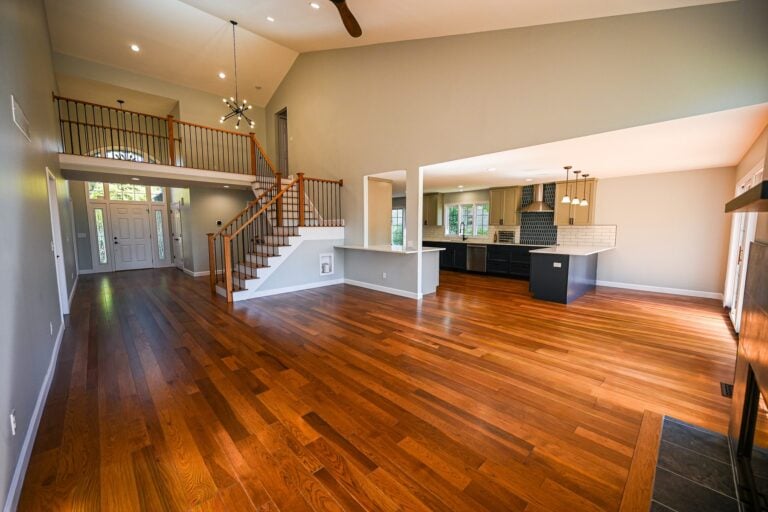
The biggest jobs today are full whole-home renovations that take a house down to the studs and put it back together better than the day it was framed. The tagline has not changed since the first truck was lettered: contracting done Wright.
Ypsilanti was not an accident either. The city sits at the center of the six-county service area, an hour or less from nearly every job site, and it keeps the company close to the suppliers, inspectors and trade partners it has worked with since the beginning. When a foreman needs a specialty order by Thursday, that proximity is worth real money.
For homeowners, the design-build structure has a concrete payoff. Because the people who price the work also perform it, estimates hold, timelines compress and the awkward gap where an architect blames a builder simply does not exist. One contract, one schedule, one team responsible for both.
Growth is handled the same deliberate way. Rather than adding crews as fast as the phone rings, the company holds headcount until quality and training catch up, because a seventh crew that cuts corners would cost more than it earns. Reputation compounds slower than revenue, and it is the only asset that cannot be bought back.
At a glance
Numbers any homeowner can check
None of these figures is marketing math. The project count comes straight from the job ledger, the cycle time from real schedule data, and the rating from public reviews anyone can read tonight. Curious homeowners can also see how a Wright’s project runs before ever picking up the phone.
The cycle-time figure deserves a word of explanation. Forty-two days is the average span between the first day of construction and the final walkthrough, and it beats typical regional timelines by months. It happens because planning, ordering and permitting finish before demolition starts, so crews build instead of waiting on deliveries.
The operating model
Built so homeowners are never in the dark
Most renovation stress is not about tile or paint. It is about not knowing what is happening inside your own house. Four working rules keep that from ever being the case here.
A budget worth reading
Every proposal is a fixed-scope, line-item document with nothing tucked into fine print. Change orders are approved in writing before work begins, and financing options for renovation projects get the same plain treatment as the price itself.
Daily photos, no chasing
Crews post photos and notes to the client portal every working day, so progress shows up on a phone before anyone has to call and ask. The technology behind daily updates was part of the company from the start, not bolted on later.
One accountable team
Design, permits, construction and inspections all sit with the same people, so nothing falls into the gap between an architect and a builder. That single point of ownership is the practical argument for hiring a design-build contractor in the first place.
Accountability after the last invoice
Labor carries a two-year craftsmanship warranty, and the team checks in at two weeks, one month and three months after completion. Anyone with a question later can reach the office directly and get a person, not a phone tree.
None of these rules lives on a poster in a break room. Each one is wired into the software the crews use every day, so following it is easier than skipping it. A foreman cannot close out a day without photos, and a project cannot advance without the homeowner approving the numbers first.
The Wright’s way
How a project moves from hello to housewarming
Every project follows the same four-part rhythm, whether it is a powder room or an entire second story. Predictability is the point: when the process never changes, the surprises disappear.
01
The consultation
The first meeting covers the house, the budget and the fit. If Wright’s is not the right match for the job, the team says so and points toward someone who is.
02
Design and planning
The client portal goes live with drawings, selections and a line-item budget. Bigger decisions, like kitchen design services and material allowances, get settled on paper before demolition day.
03
Construction
Daily photos, weekly summaries and a project manager who answers. Homeowners know what happened on site before dinner, not at the end of the month.
04
Completion and beyond
A detailed walkthrough, systems training and scheduled check-ins at two weeks, one month and three months. The relationship is built to outlast the punch list.
The portal stays live after the final step, too. Photos, selections, invoices and warranty documents remain available to the homeowner indefinitely, which matters years later when an insurance company wants documentation or a future buyer asks what exactly was done behind that wall.
The work
What the crews build, room by room
Six specialized crews cover nearly every renovation a Southeast Michigan house can need. A sampling of where they spend their days:
Kitchens
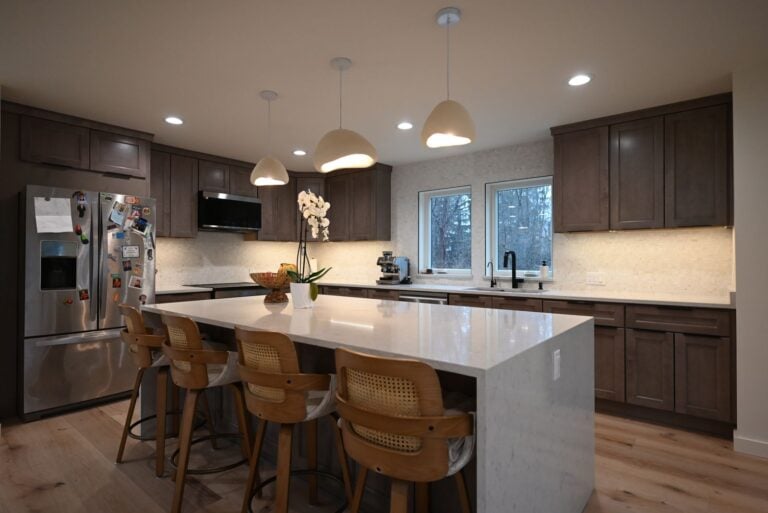
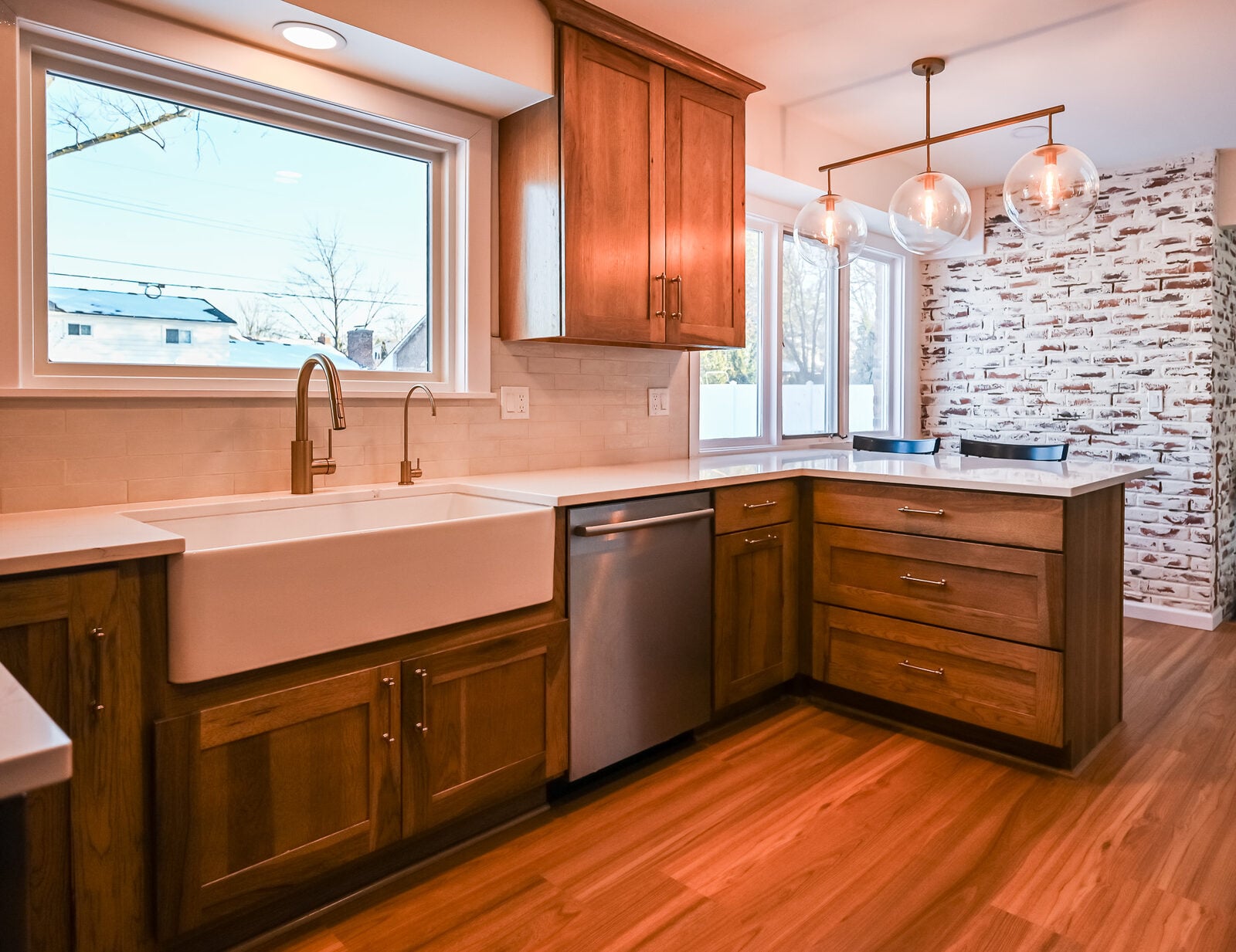
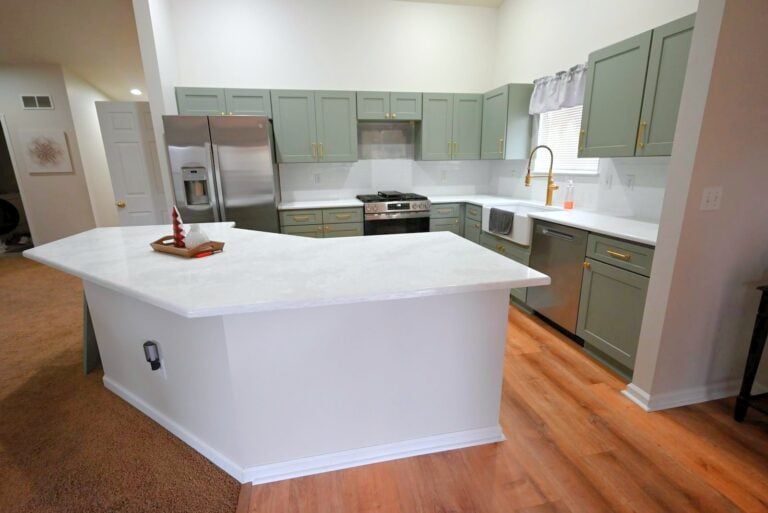
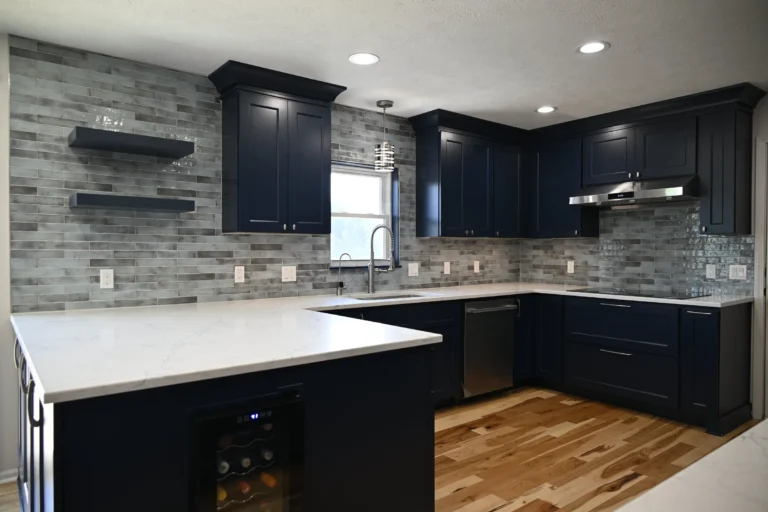
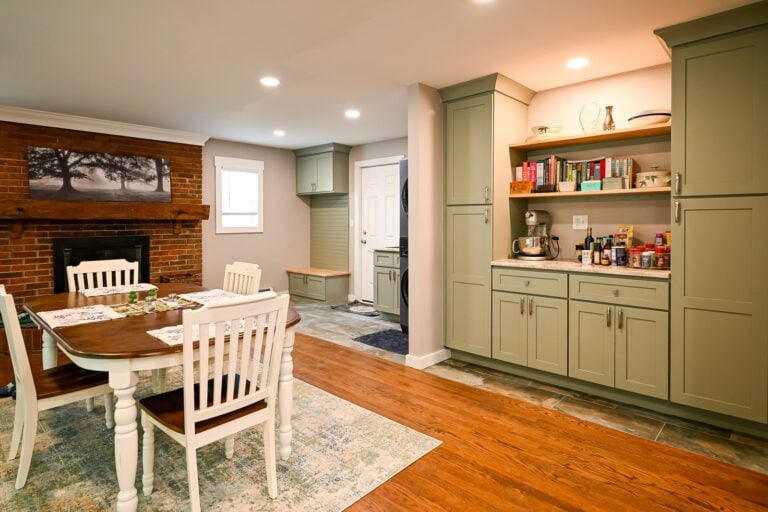
Full gut renovations plus focused upgrades such as custom kitchen islands and custom cabinetry built to the millimeter.
Bathrooms
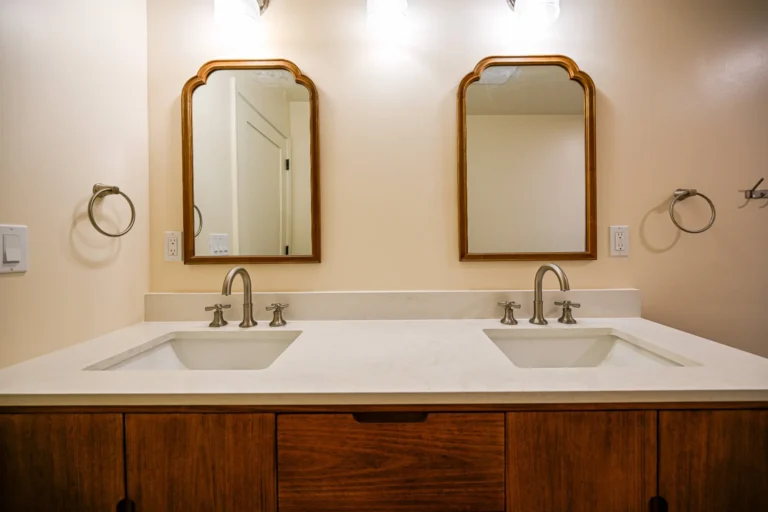
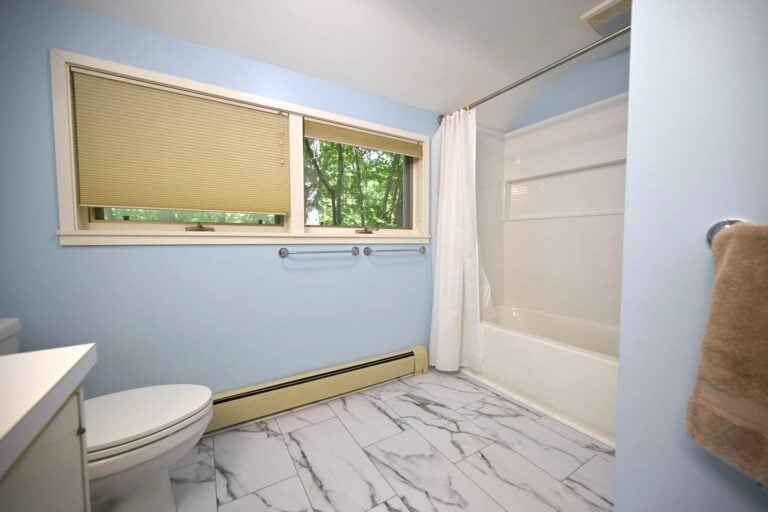
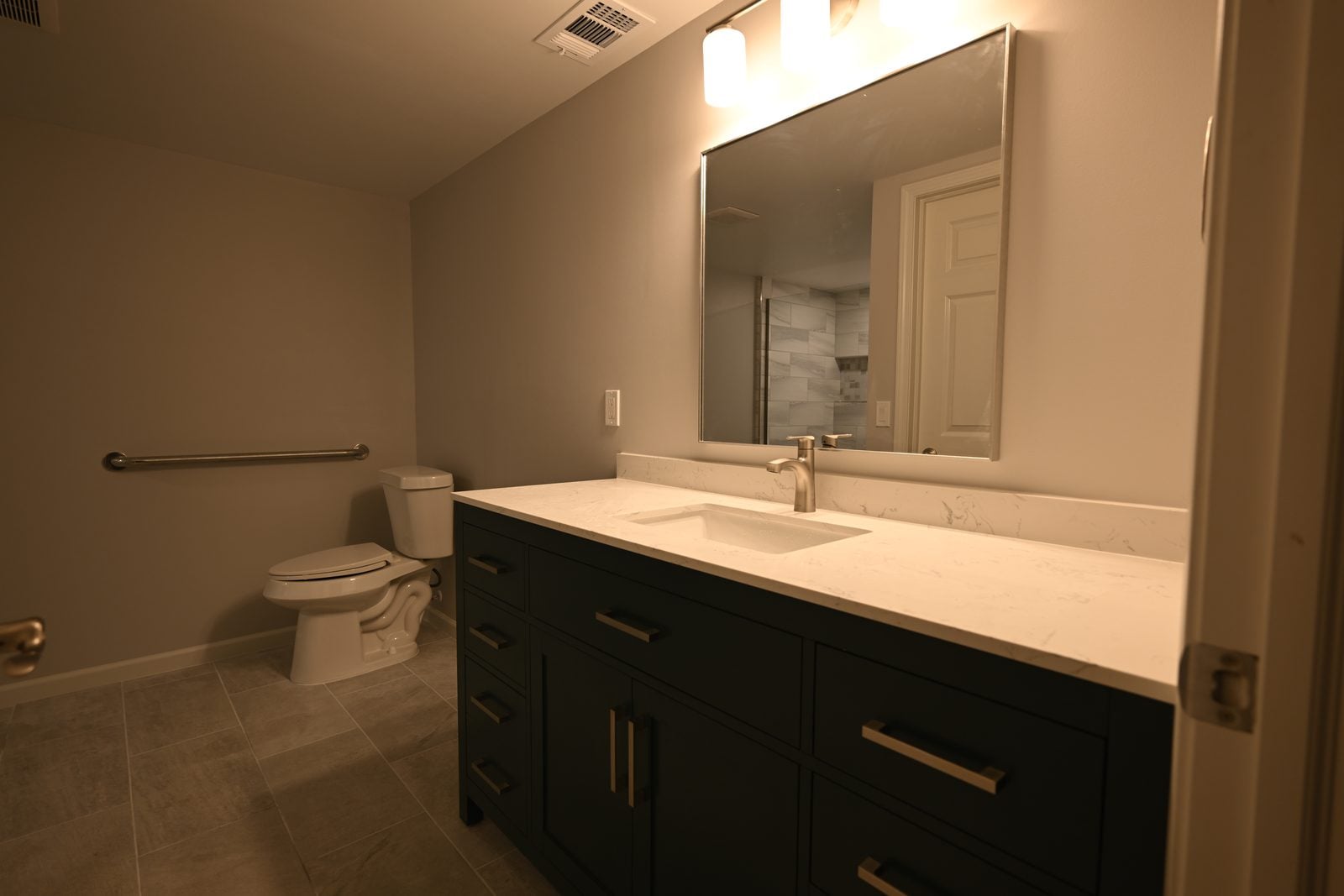
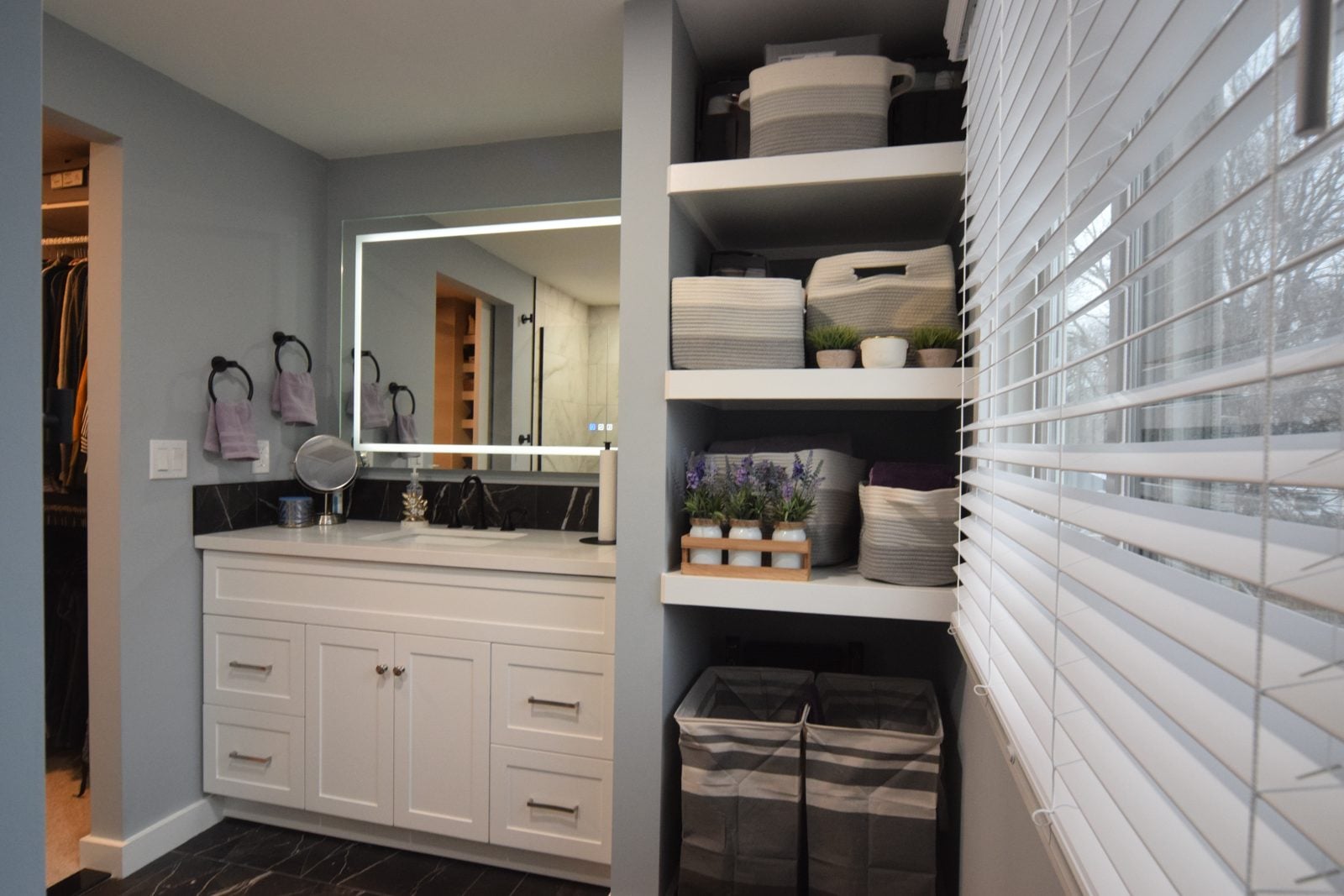
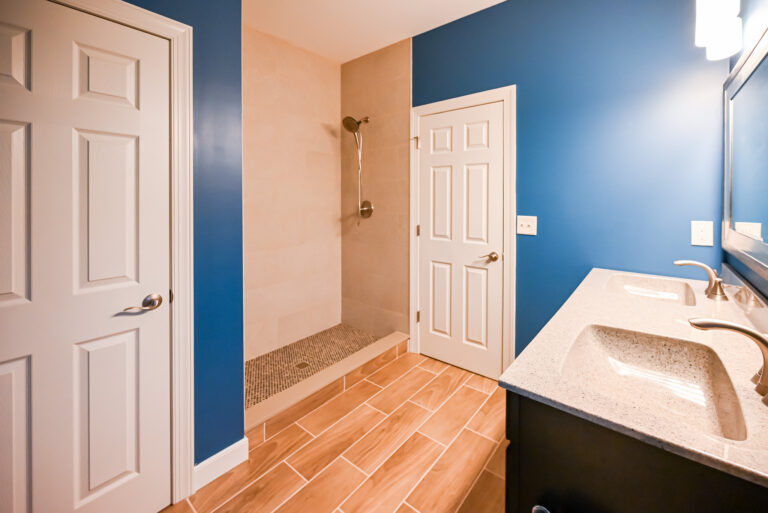
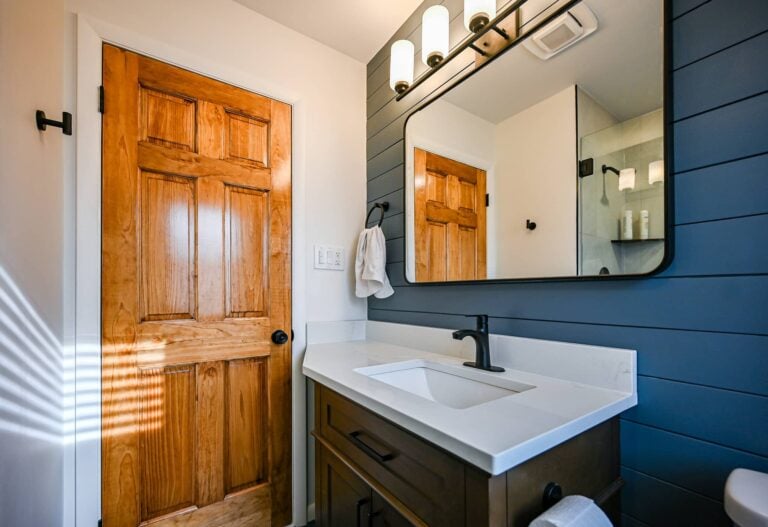
Primary suites, hall baths and aging-in-place updates, including custom showers and tubs and heated bathroom floors for January mornings.
Basements
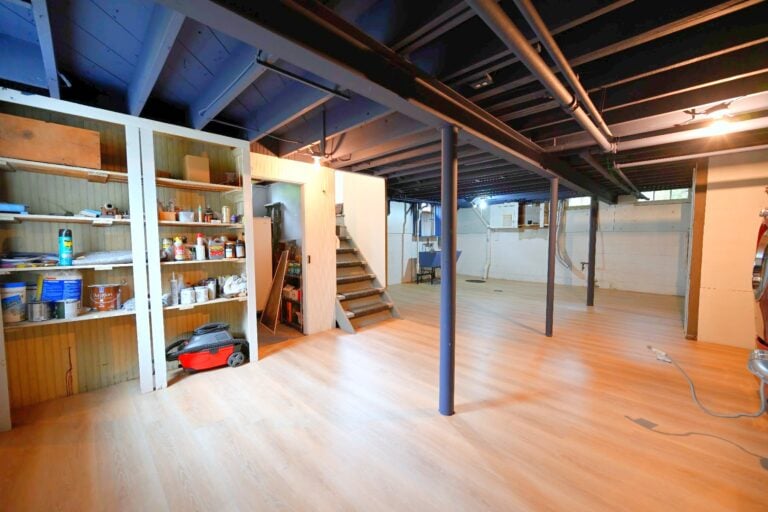
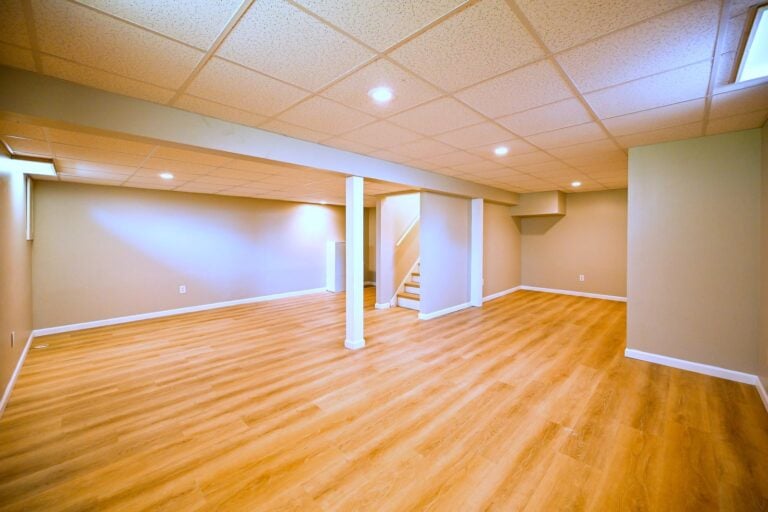
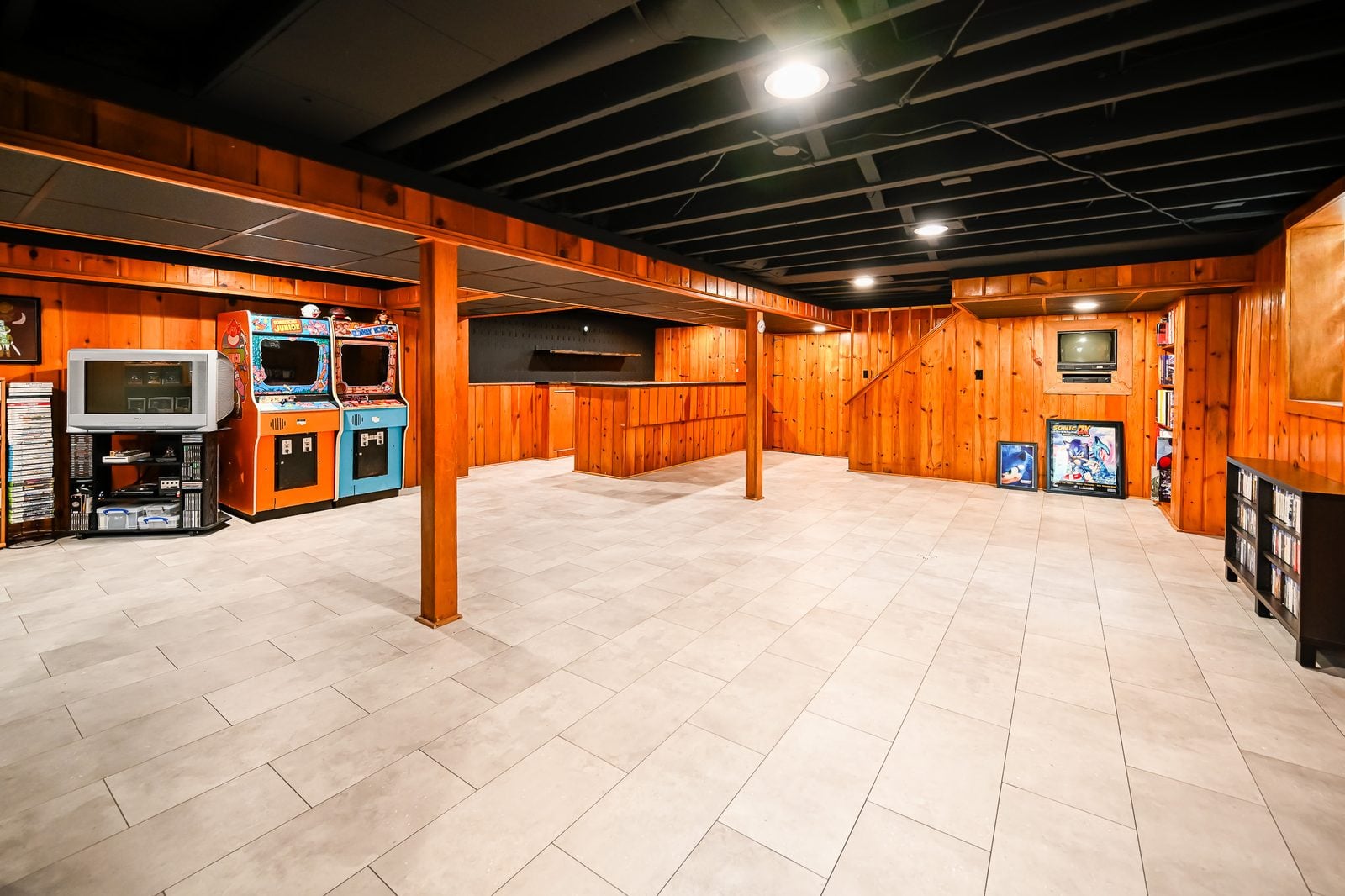
Finished lower levels with proper egress window installation, moisture control and purpose-built rooms like home theaters and media rooms.
Additions
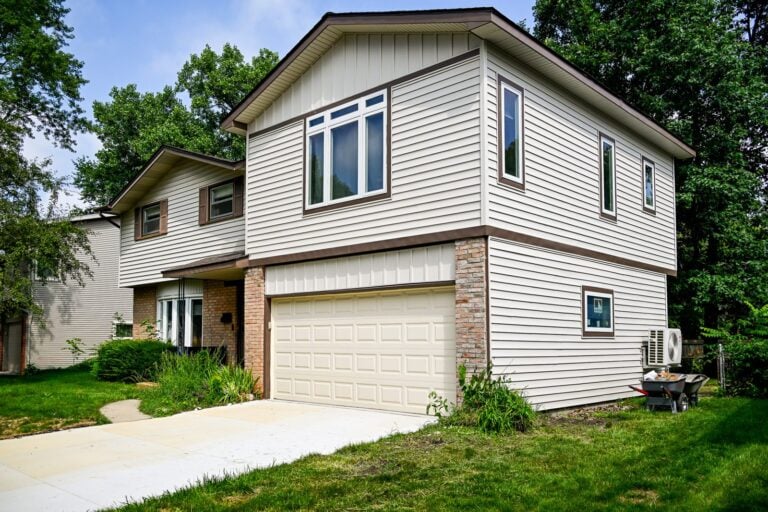
Room to grow without moving, including in-law suites and full second-story additions matched to the original architecture.
Outdoor living
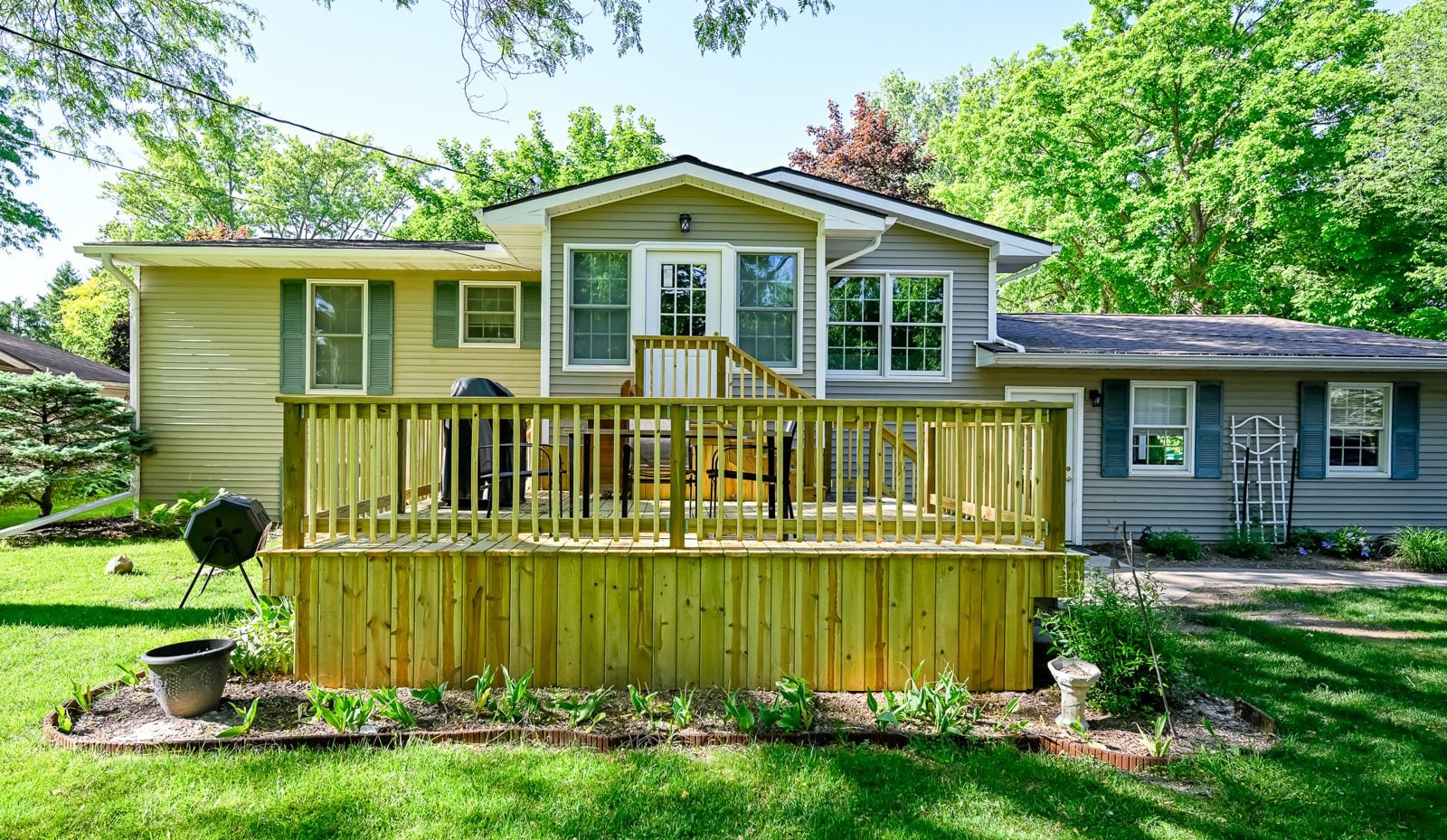
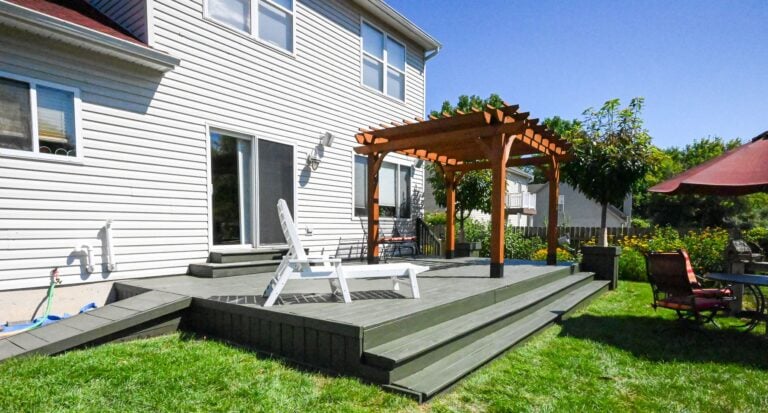
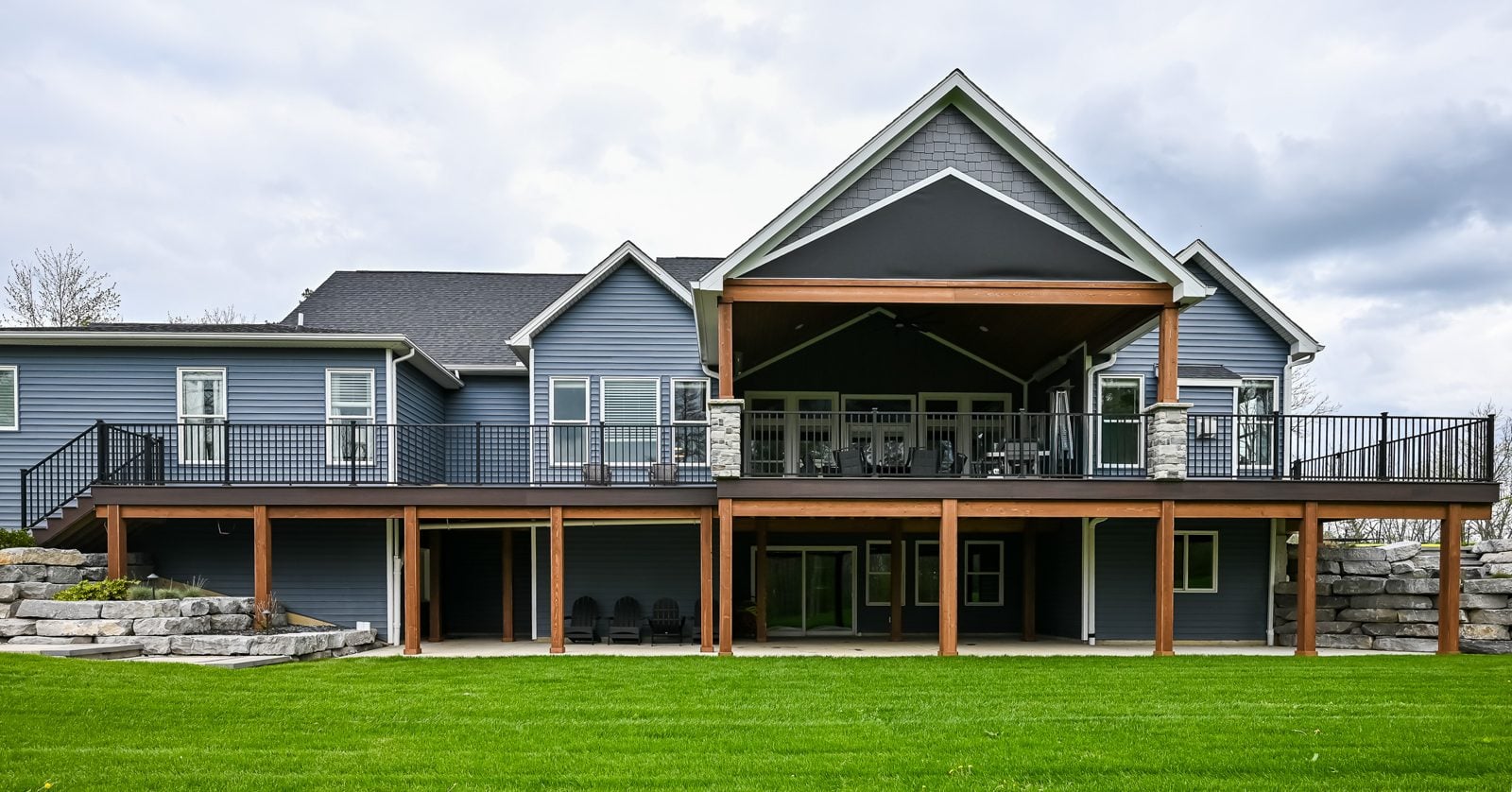
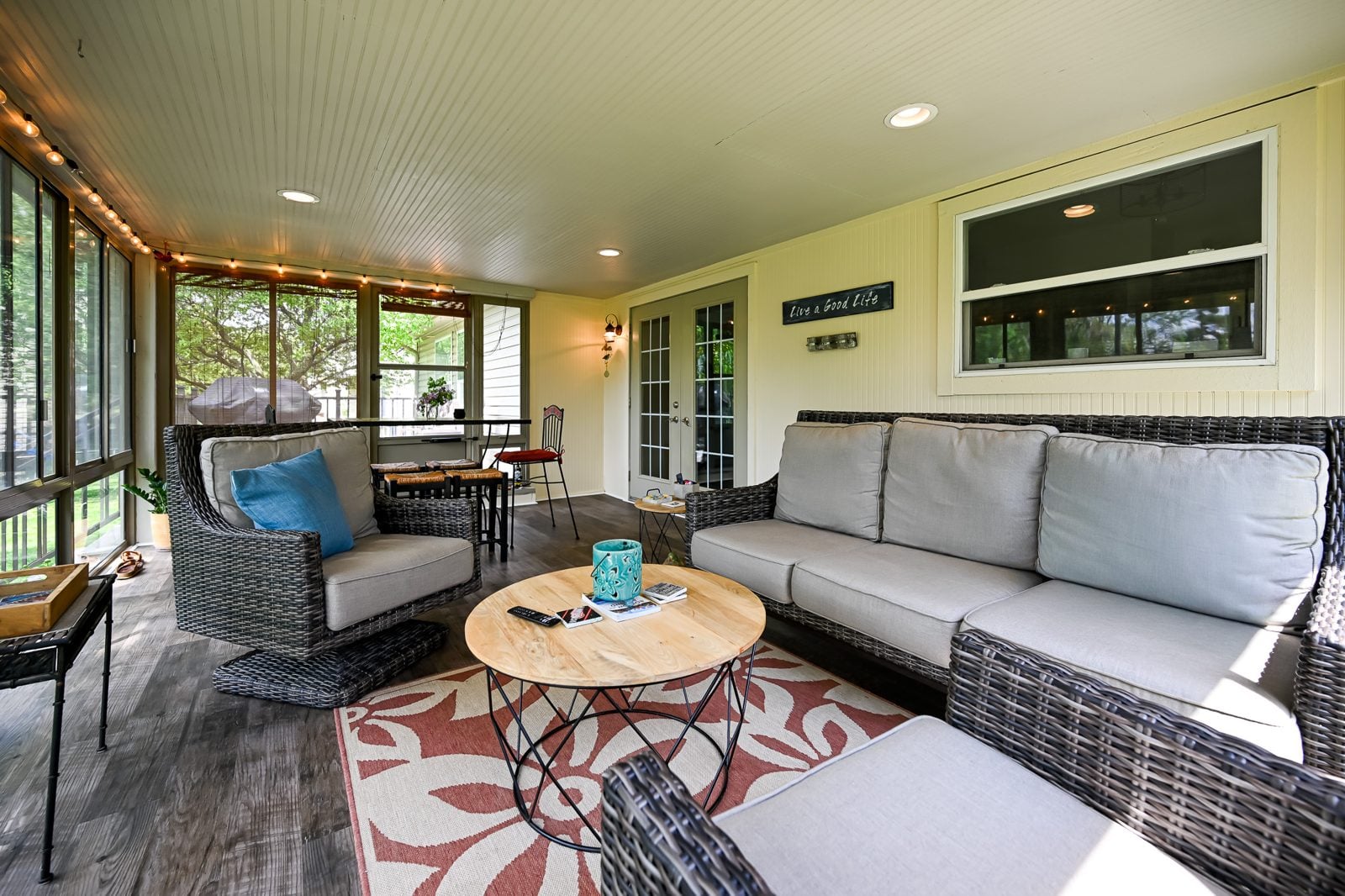
Four-season thinking applied outdoors, with deck construction and screened porches that stretch summer well into October.
Whole home
Down-to-the-studs renovations with smart home integration, energy-smart upgrades and floor plans that finally make sense.
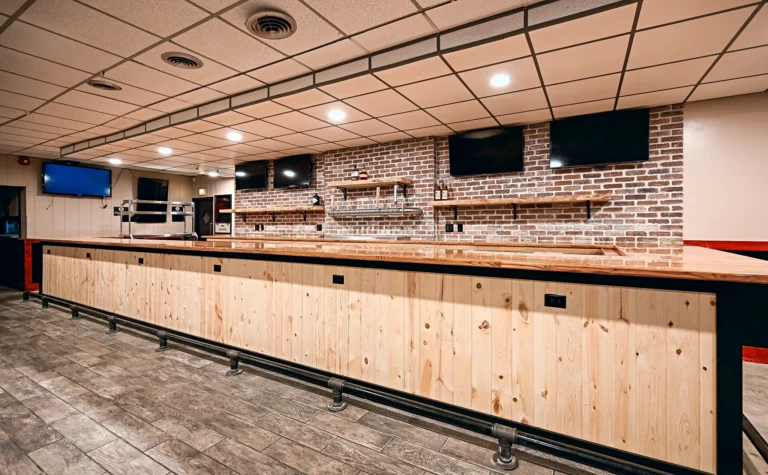
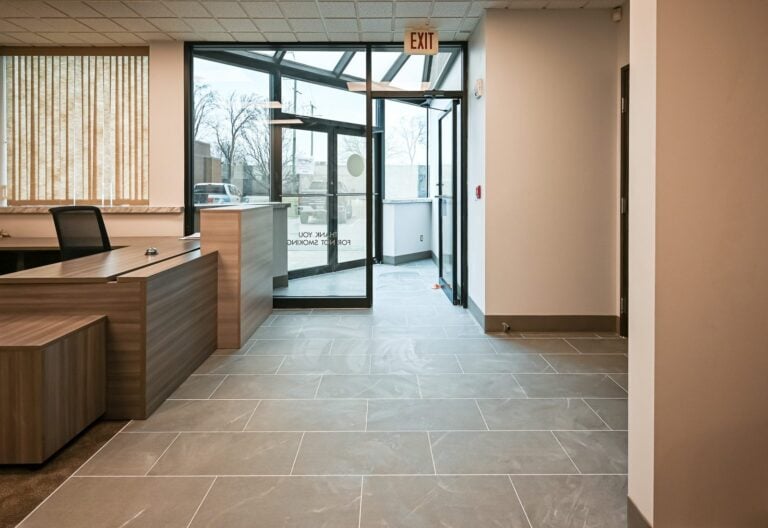
The same crews handle select commercial work as well, including child care centers, offices and retail interiors across the region. Commercial clients get the identical operating system: line-item budgets, daily documentation and one accountable team from drawings through inspection.
The people
The faces homeowners actually see on site
Renovation is a people business before it is a construction business. These are the people who answer the phone, draw the plans, schedule the inspectors and post the daily logs homeowners read over coffee.


Katherine Anderson
Runs scheduling, permitting and the paperwork engine that keeps six crews moving across six counties without a missed inspection.

Will Sujek
The first person most homeowners meet. Will handles consultations and estimates across the service area, and reviewers keep mentioning that he shows up fast and never pushes.

Nick
Coordinates crews, materials and inspections so schedules hold. If the daily log says drywall finished Tuesday, drywall finished Tuesday.

Chile
Runs day-to-day site operations and keeps answers moving in minutes rather than days, which homeowners notice more than almost anything else.
The foremen behind the crews
Each crew is led by a working foreman who swings a hammer rather than holding a clipboard, and each one owns the quality of what leaves his site.
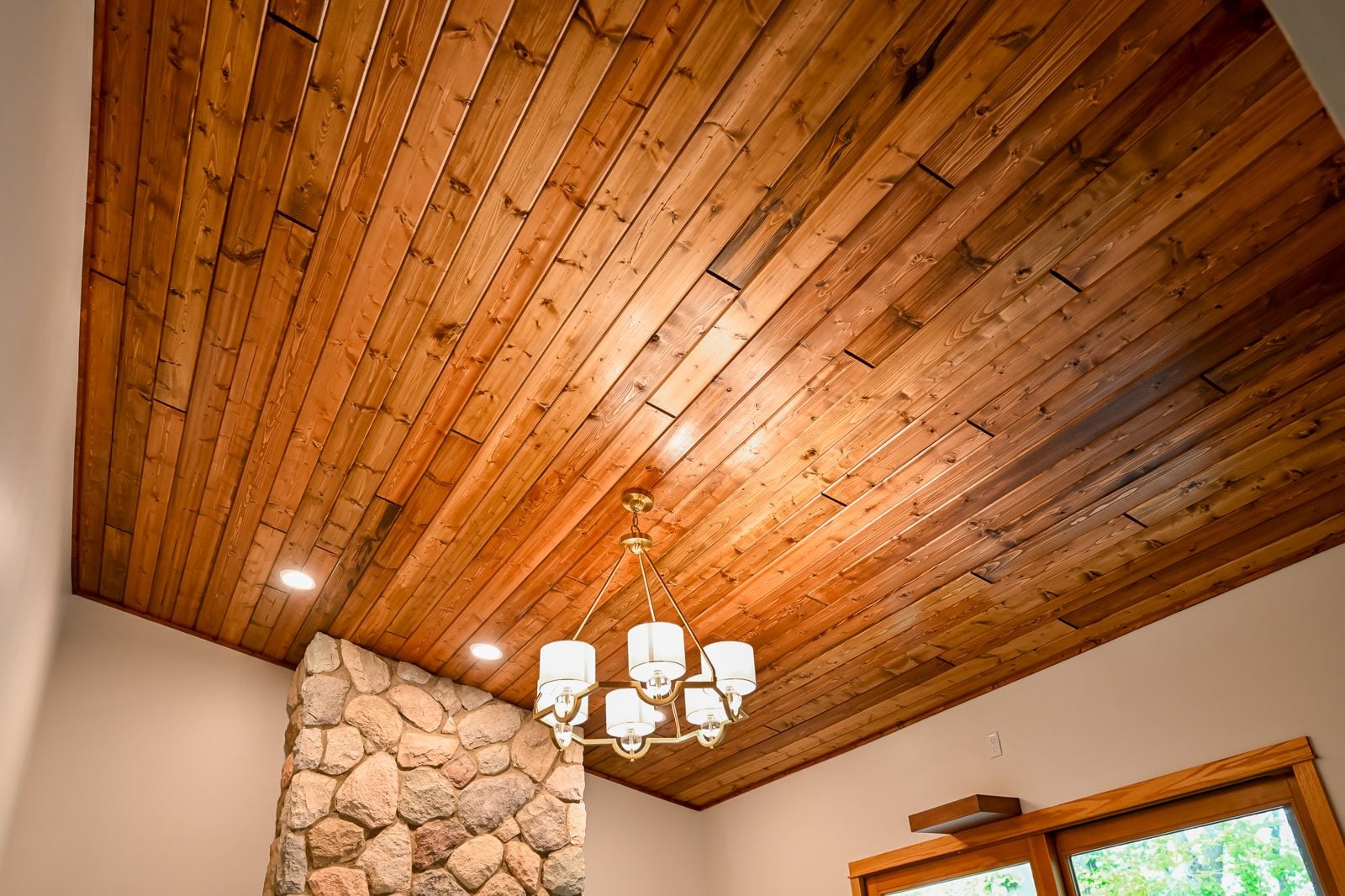
Specialties across the crews run deep, covering custom carpentry and millwork and trim work that most firms hand off to subcontractors.
Keeping that talent in-house is a deliberate expense. The company pays wages built for retention, trains year-round and promotes from within, because a crew that has worked together for years moves faster and fixes problems before a homeowner ever sees them. Turnover is the quiet tax most contractors pass along. This one refuses to.
Where the company builds
Rooted in Ypsilanti, at home across Southeast Michigan
The office sits at 7101 Platt Rd in Ypsilanti, and every crew starts its morning within an hour of it. That radius is the difference between a foreman who knows the local permit office by name and one reading the code book in a driveway.
The housing stock here spans a century and a half. Renovation work in Ann Arbor often means brick Victorians and plaster walls, while Novi and Northville lean newer, and the crews are fluent in both.
Michigan seasons shape the schedule as much as the architecture does, which is why the team publishes plain guidance on renovation timing in Michigan for anyone planning a project around winter.
Permits are their own local dialect. Each township and municipality across the six counties runs its own review process, its own inspectors and its own quirks, and the office has filed with nearly all of them. Homeowners never touch the paperwork; it is submitted, tracked and closed out as part of the job.
Standards in writing
Licensed, insured and on the record
Wright’s Renovations holds Michigan residential builder license #262100679 and carries full insurance. The Better Business Bureau rates the company A+, and certificates of insurance are provided on request before any work is scheduled.
The paperwork protects homeowners in the other direction as well. Contracts are fixed-price, final payment is not collected until the walkthrough is complete and the homeowner has signed off, and the two-year craftsmanship warranty is written into the agreement rather than promised over a handshake.
Community shows up in the ledger too: veterans receive a standing project discount, and the company hires and buys locally whenever the math allows.
In their words
What homeowners say when the dust settles
Every quote below comes from a public Google review, word for word. There are nearly 50 of them and the average still reads 4.9, so anyone is welcome to read all of the Google reviews and check the math.
We are so happy with our basement project! Connor and Will took our concept and brought it to life! The entire team was fantastic.
Wright’s Renovations did a great job with our new tile shower. We have an old home (150+ years) so it’s always scary, but they handled it perfectly.
We are happy with the results. Everything we had hoped for! Good communication, follow through and attention to detail. Friendly quiet crew.
A pattern shows up across those reviews worth naming: homeowners rarely lead with the tile or the trim. They lead with communication, with crews who cleaned up nightly, with questions answered the same day. The finished room earns the fifth star, but the experience earns the review.
Start with a conversation, not a contract
No pressure and no obligation. Just an honest talk about the house, the budget and whether the fit is right, with real numbers instead of vague ranges. Bring the wish list, the inspection report or the photo saved on a phone since last spring, and the conversation starts there.