Before we meet.
What I’d tell you over coffee if you were my brother-in-law thinking about renovating.
Last week a couple sat at my kitchen table for almost an hour before they asked the question that was actually on their mind. They’d done all the polite warming up first. Talked about the project. Asked about my family. Complimented the coffee, twice. And then the husband finally said it, quiet, like he was a little embarrassed about asking:
“How do we know you’re not going to be like the last guy?”
That’s the question. That’s the one almost everyone is sitting on when they call a contractor for the first time. It’s also the question I want to answer before you and I ever sit down, because if you can’t ask it out loud, you can’t really trust the answer either, and we’d both end up wasting an evening.
So I wrote this letter. I send it to every homeowner before our first conversation, and I wrote it the way I’d talk to my brother-in-law over a beer at my kitchen table here in Ypsi. No pitch. Just the rundown you’d want before signing your name to something this big.
If you read this and decide we’re not the right fit, that’s a good outcome. You’ll have wasted nothing, and you’ll know more about how to hire anyone, me included, without getting taken advantage of.
This one is on me, not on you. The industry around here is built to keep you a little in the dark, and the only way out of that is for somebody on this side of the table to turn the lights on.
A few things about me
I started Wright’s when I was nineteen, which means I’ve been running this company longer than I haven’t been. I grew up around here. I learned this trade in Washtenaw County winters, where the only way to keep a project moving was to think two weeks ahead of the weather. I still pick up tools on most of our projects. I’m not the contractor who shows up to sell you a kitchen and then disappears until it’s time to cash a check.
I’m telling you this because the industry has earned its bad reputation, and you should know who you’re talking to. The polished sales rep at the showroom isn’t usually the one who’ll be in your house. Around here, with the houses we work on, that matters more than people think.
A few other things worth knowing. I’m not going to oversell you. I’m not going to push you toward a bigger project than you actually need. And I’m not going to act like I know your life better than you do. Whatever you want to do with your home, that’s your call. My job is to help you do it right.
Why we do this
Most people in this business will tell you they care about doing good work. I’m not going to say anything different. Doing it right is the cost of admission. If you’re not building well, you shouldn’t be building.
But that’s not why I started Wright’s, and it’s not why we’re still here.
Here’s what I actually think. Your home is where your real life happens. It’s where your kids learn to walk on the floor you’re about to replace. It’s where you and your spouse argue about the dishwasher, and then make up the next morning over coffee. It’s the place you come back to after the worst day of your year, and the best one. Most of who a person becomes happens inside these walls.
I started this company because I’d watched too many people I cared about come out of a renovation feeling like they’d survived something instead of having built something. That’s not how it should work. And the only way to prove an entire industry doesn’t have to work that way is to build a company that operates differently, and then let the work speak.
That’s what we’re trying to do here. Not perfectly. Not without missteps. But every single day, we make a thousand small decisions that add up to a project where you come out the other end proud of what you built, and proud of who you built it with.
That’s the why. The how and the what come from there.
The questions that actually matter
Most homeowners ask the wrong questions when they’re vetting contractors. Not because they’re not smart. Because nobody has told them what to ask. Here are the questions worth putting on your list, regardless of who you’re considering.
- “What’s your typical project size, and where would mine land?” A contractor who normally builds decks shouldn’t be running your kitchen renovation. You want someone whose business is built around projects like yours. Not too small for them to care, not too big for them to handle.
- “Who specifically will be in my home each day, and how long have they worked with you?” Crew turnover tells you almost everything. So does whether the owner can name the crew without looking it up.
- “Walk me through what happens when something behind a wall isn’t what you expected.” This is the change order question, asked sideways. Listen for whether the answer is about process or about money.
- “What’s the last project you finished, and can I see it?” Recent work matters more than the portfolio page from three years ago. In our line of work, six months changes a lot.
- “What’s your schedule today, and where would mine fit?” Vague answers are a red flag. Real contractors running real businesses can tell you precisely when they could start.
You don’t need to ask any of this aggressively. Just ask, and listen carefully to how the answers come out. Tone tells you almost as much as content.
What “estimate” actually means
This one trips people up constantly. In construction, the words estimate, quote, proposal, and bid get used interchangeably. They shouldn’t be.
A real proposal specifies exactly what’s included, exactly what’s excluded, and exactly what triggers a price change. If a number gets handed to you without that detail, you’re not looking at a proposal. You’re looking at a guess. A guess is fine as a starting point. You shouldn’t sign anything based on one.
When you see a number, ask: “Is this a fixed price, or an estimate?” If it’s an estimate, ask what could change. If it’s fixed, ask what isn’t included that could come up later. This matters more in our region than most, because the houses around here are old enough to have already broken nearly every contractor’s assumptions once or twice.
The truth about change orders
Change orders are not a scam. They are also, sometimes, a scam. Here’s the straight version.
Renovation projects involve real uncertainty. You can’t see behind walls until they’re open. You can’t predict whether the previous owner ran plumbing where the original plans said it would go. You can’t always anticipate how your preferences will evolve once you see the space taking shape.
Around here, where homes are routinely fifty, seventy-five, or a hundred years old, this is even more true. We’ve opened soffits and found leaks the previous owner painted over instead of fixing. We’ve pulled drywall and found wiring that should have been replaced decades ago. We’ve discovered that the addition someone built in 1988 isn’t actually tied into the original frame the way it should be. None of this is rare in Saline or Ann Arbor or anywhere else in this county. All of it costs something to address.
So change orders happen for legitimate reasons. The question is whether they’re rare and well-explained, or frequent and surprising.
A good contractor minimizes change orders through thorough pre-construction discovery. When they do come up, the contractor explains what triggered the change, lays out the options, and prices each one. In writing. Before any work continues.
A bad contractor uses change orders as a profit center. They quote low to win the job, then make the money back through markups on every adjustment. You can usually tell which kind you’re dealing with by how the conversation goes when you ask about change orders before you sign. If the answer is cagey, that’s an answer too.
What you don’t need to apologize for
I want to be direct about this, because it comes up in nearly every first meeting.
You don’t need to apologize for your house. Whatever shape it’s in, that’s why you called. Pretending it’s tidier than it is, or explaining the unfinished project in the corner, or hiding the dog hair, none of that is necessary. There’s something you want to change about the place, and that’s why I’m here.
You don’t need to apologize for your budget. Whatever you can spend is what you can spend. There’s no judgment in either direction. Some of the best projects we’ve ever built (kitchens, basement remodels, even a converted home office) cost half of what people expected. Some cost twice. The number is whatever it needs to be for the work to be done right, and we’d rather know upfront than guess.
You don’t need to apologize for not knowing things. The whole reason for hiring someone is that they know things you don’t. If you already knew everything about construction, you wouldn’t need me. Around here, we’d call that the whole point of asking for help.
You don’t need to apologize for changing your mind during the design phase. That’s literally what the design phase is for. And you don’t need to apologize for asking the same question twice. Or three times. The decisions you’re making will live in your house for decades. Take the time.
What separates the projects that go well
After hundreds of renovations, here’s what I’ve actually noticed distinguishes the projects that go beautifully from the ones that struggle. None of these are about us. They’re about how the project gets approached, from both sides.
- Aligned decision-makers. When the people writing the check don’t fully agree about what they want, the project struggles. Get on the same page with your partner before we start. Or better, let me help you get there during planning.
- Real pre-construction. The more we know before the first hammer swings, the fewer surprises later. Rushing the planning phase is the most common way good projects go sideways.
- Realistic timelines. Renovation takes longer than television shows you. A real kitchen renovation involves eight to twelve weeks of disruption, not three days and a reveal. And around here, you have to plan around the season. If you want a deck or an addition, January isn’t your month. We’ll be straight with you about timing, even when it means starting later than you wanted to.
- Real communication, both directions. Tell us what’s bothering you, when it’s bothering you. Don’t save it for the end. We can’t fix what we don’t know about. Around here, you don’t have to be polite past the point of usefulness.
- Trust, once it’s earned. Vet hard upfront, then trust the team you chose to do their job. The clients who micromanage after hiring us tend to have worse experiences than the clients who hire carefully and then step back.
Red flags to watch for
This applies to anyone you’re considering, including us.
- No proof of insurance, or strange excuses about it.
- Pressure to decide today.
- Cash-only discount. Often signals tax issues or worse.
- Reluctance to provide recent references you can actually call. Notice the word “recent.” Anyone can show you a happy customer from five years ago.
- Bids that come in dramatically below the rest of the field. Somebody is making up the difference somewhere, and it’s almost always going to be you.
A note on Michigan homes
We work on Michigan homes, and Michigan homes are their own animal. Worth a few minutes to explain why.
The housing stock in Southeast Michigan is older than most of the country’s. A lot of these houses were built before air conditioning was standard, before modern insulation, before anyone thought hard about moisture management in a basement. They’ve survived seventy or a hundred winters of freeze-thaw cycles that shifted their foundations a fraction of an inch each year. They’ve absorbed Great Lakes humidity in the summer and twenty-below cold snaps in January. They’ve been re-roofed, re-wired, re-plumbed, and re-imagined by a half-dozen contractors of varying skill levels along the way.
This matters because every renovation in this region is, in part, an archaeology project. We expect to find surprises. It’s why our pre-construction process is more thorough than most. It’s why we don’t give fast quotes. And it’s why we choose materials and methods designed for what Michigan actually does to a house, instead of what photographs well in a coastal magazine spread.
A few things that matter more here than they do most places:
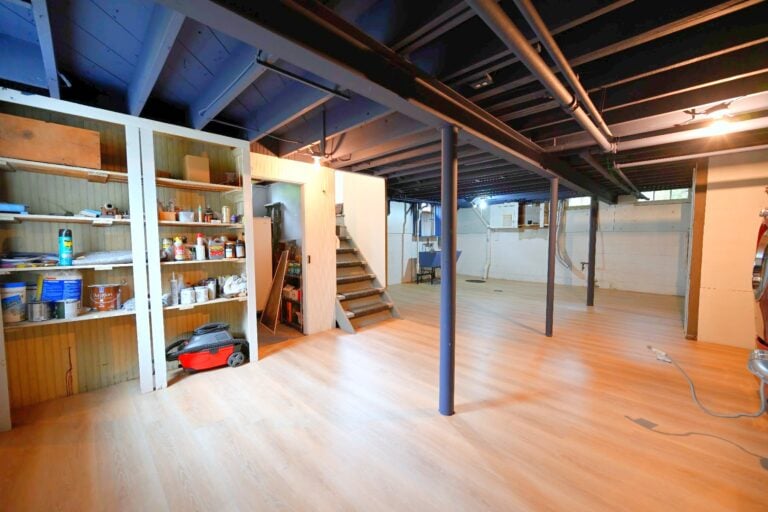
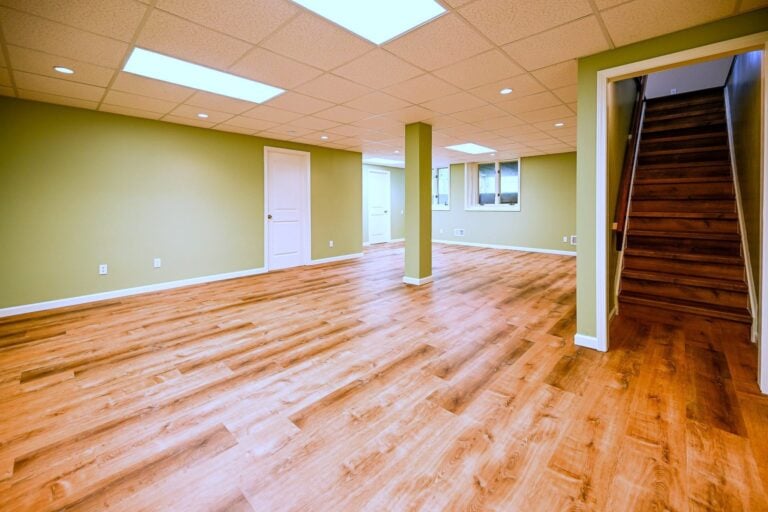
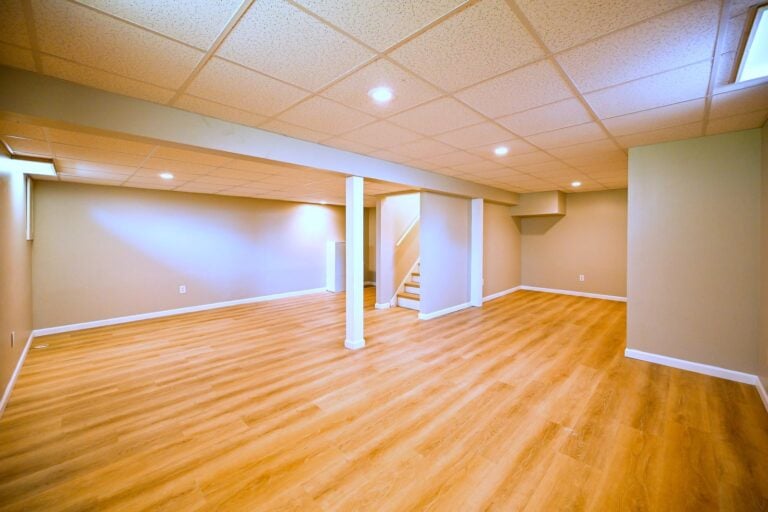
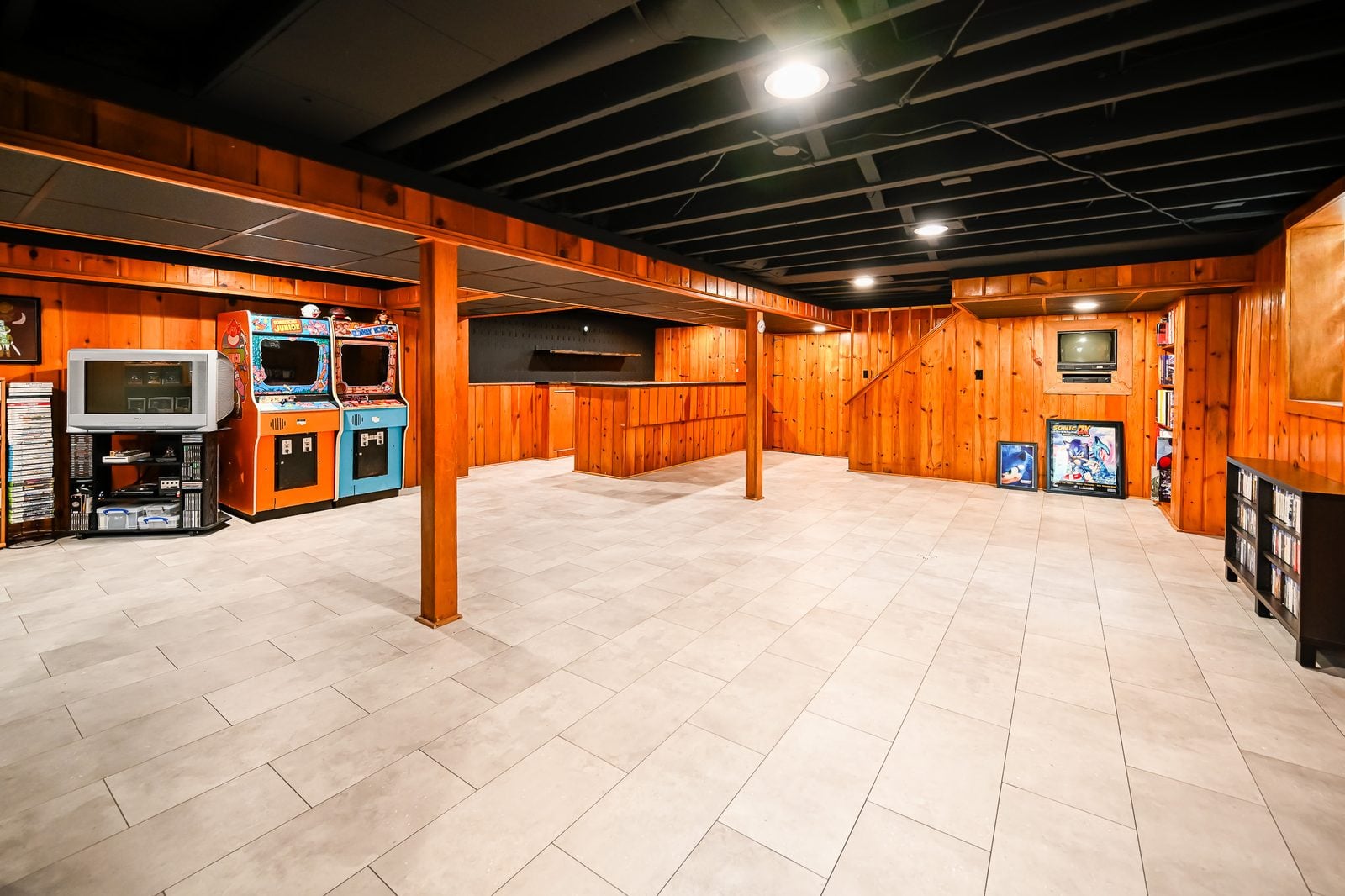
- Basement moisture. Roughly half the homes around here have water issues, and most homeowners don’t know it until something gets ruined. We build with vapor barriers, proper drainage, and dehumidification baked in, instead of bolted on as an afterthought.
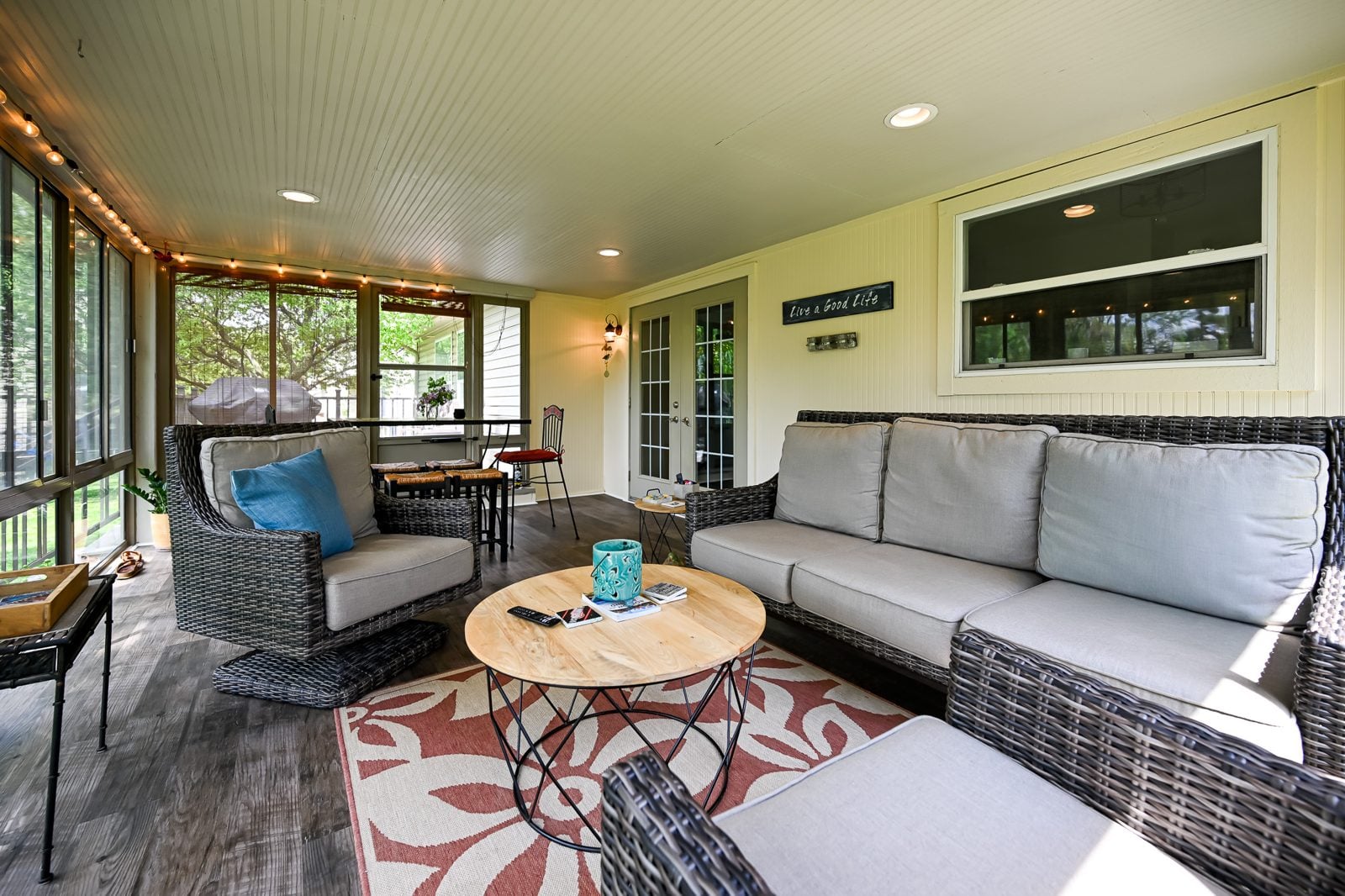
- Four-season rooms. A real Michigan room should be usable in January as much as it is in July. That changes the insulation requirements, the window specifications, and how the room ties into the home’s existing heating system.
- Material choices for freeze-thaw. Decking, masonry, exterior trim. What survives a Florida winter won’t survive a Saline one. We pick for here, because here is where it has to last.
- Air sealing. The biggest energy losses in old Michigan homes aren’t through insulation failures. They’re through air leakage at every penetration, every joint, every gap. We seal aggressively, because around here that’s the difference between a comfortable winter and a brutal one.
If your contractor doesn’t talk about any of this, they’re either working from a national playbook or hoping you won’t notice. Either way, you should ask.
What “design-build” actually means
You’ll see the term design-build thrown around in our industry. Most of the time it’s used loosely. Worth understanding what we actually mean by it, because the model changes how a project goes.
In most renovation companies, design and construction are separate steps with separate people. Often separate companies. You hire a designer or an architect to draw the thing. Then you hire a contractor to build it. The two parties rarely talk. The designer hands over plans and walks away. The contractor figures out how to build something they didn’t help design.
When problems show up, and they always do, because nobody can foresee everything, there’s nobody to call. The designer says it’s a construction problem. The contractor says it’s a design problem. You’re stuck in the middle, paying for both sides to point fingers.
Design-build means we do both, under one roof. Same company. Same team. Same point of accountability from the day we start sketching to the day you move back in. When something unexpected comes up during framing, the designer is in the room. When a finish decision affects the budget, you hear about it the same day, instead of three weeks later. Nobody passes the buck because there’s nobody to pass it to.
It’s a harder model to run. We have to be good at design, construction, and project management, all three of which would be a separate company in another shop. But it’s why our projects don’t have the seams where most renovations fall apart. And it’s why, when you’re sitting at your kitchen table six months from now, you’ll only have one person to call.
What we mean by “done”
Most contractors disappear the day they cash the final check. That’s not how we run this company.
When we finish a project, here’s what happens. We do a punch walk together. You point out anything that’s bothering you, and we fix it before we call the project complete. You get a full documentation packet. Every material we used, every spec, every warranty, all in one place. If you sell the house in ten years, that’s the document you hand the next owner.
After that, we stay in touch. We check in. If something we built isn’t holding up the way it should, we come back and make it right. That’s what our five-year craftsmanship warranty means in practice. A real phone number that gets answered when you call.
We know your house better than anyone except the people who live in it. That knowledge is yours to use, forever. It’s not a service we charge for. It’s part of what it means to build something for somebody and stand behind it. Most contractors don’t offer this relationship because most contractors aren’t planning to be in business a decade from now. We are.
What to expect from our first meeting
Our first meeting usually runs sixty to ninety minutes. Here’s the rough shape of it.
I’ll walk through your space and ask a lot of questions. Some will seem obvious. Some will seem oddly specific. Both are intentional. I’ll ask about how you live in the space, then about what you want to change about it. The order matters more than you’d think.
I’ll ask about budget directly. Not because I’m sizing you up, but because I can’t recommend the right approach without knowing what we’re working with. There’s no right answer and there’s no wrong number. The earlier we have a straight conversation about it, the less likely we are to design something you don’t actually want to pay for.
I won’t give you a price at this meeting. Anyone who does is guessing. Real numbers come after enough discovery to actually know what your project requires. In our region, on the houses we work on, that’s a few days of real thought, not a fifteen-minute drive-by.
And I’ll tell you straight whether we’re the right fit. If we’re not, if your project is too small, too far, or outside our wheelhouse, I’ll say so, and I’ll point you toward somebody who is. I’d rather help you find the right team than be the wrong one.
You don’t need to prepare anything. Just be ready to talk through what’s bothering you about the space today, and what you imagine it looking like. The rest, we’ll figure out together.
Renovating a home is a big deal. There’s the money, and then there’s the rest of it: three months of stepping over drop cloths to get to the coffee maker. It’s also a leap of faith, and I don’t take that lightly. If you hire us, I hope this letter makes the leap a little less blind. If you hire somebody else, I still hope it helped.
You deserve a contractor who treats your home like the place it actually is. Not a job site. Not a transaction. The place where you live your life. That’s the bar. That’s what we’re trying to meet, every day, on every project.
If you’ve read this far, you and I are already off to a better start than most. Send your questions over before our meeting if you have any. I’d rather answer them in writing now than have you sitting on them until we sit down. And if I don’t hear from you, I’ll see you soon.