
Master Suite Addition Michigan
The primary bedroom in most Michigan homes built before 2000 measures maybe 12 by 14 feet with a closet barely accommodating two people’s clothing. The adjacent bathroom features a single vanity and tub-shower combo. These modest accommodations worked fine decades ago but feel inadequate by contemporary standards. Master suite additions rework cramped quarters into private retreats combining spacious bedrooms, spa-inspired bathrooms, and generous closet space. Wright’s Renovations specializes in master suite additions that add substantial value while dramatically improving daily living.
Why master suites matter
Master suites represent more than larger bedrooms. They provide private sanctuary away from household activity. Space to decompress after demanding days. Luxurious bathrooms that encourage relaxation. Storage that actually accommodates clothing, shoes, and accessories. The difference between adequate sleeping space and proper master suite affects quality of life daily rather than just impressing visitors.
Connor recently completed a master suite addition in Plymouth where the homeowners had endured their cramped bedroom for twenty years. The wife stored half her clothes in a guest room closet. The husband’s suits lived in basement storage. Their shared bathroom created morning congestion. The new suite, 400 square feet combining bedroom, bathroom, and walk-in closet, changed their daily routines. The wife mentioned she finally felt like the house reflected their actual life stage rather than accommodating young children who had long since moved out.
Components of complete master suites
Comprehensive master suites typically include three distinct areas. The bedroom provides sleeping and relaxation space. The bathroom serves grooming and bathing needs. The closet accommodates clothing storage and daily dressing. Each space deserves thoughtful planning rather than generic dimensions and standard layouts.
Bedroom spaces that feel expansive
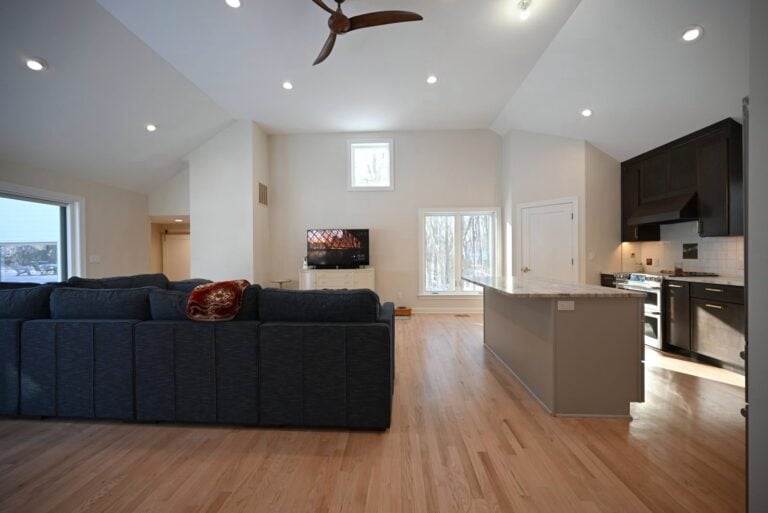
Modern master bedrooms typically measure at least 14 by 16 feet, which is enough for king beds, nightstands, and sitting areas. Larger suites extend to 18 by 20 feet or more, accommodating comfortable seating, desks, or media areas. These dimensions create environments feeling spacious rather than cramped. Natural light through properly sized windows enhances openness while maintaining privacy through thoughtful placement and window treatments.
Spa-inspired primary bathrooms
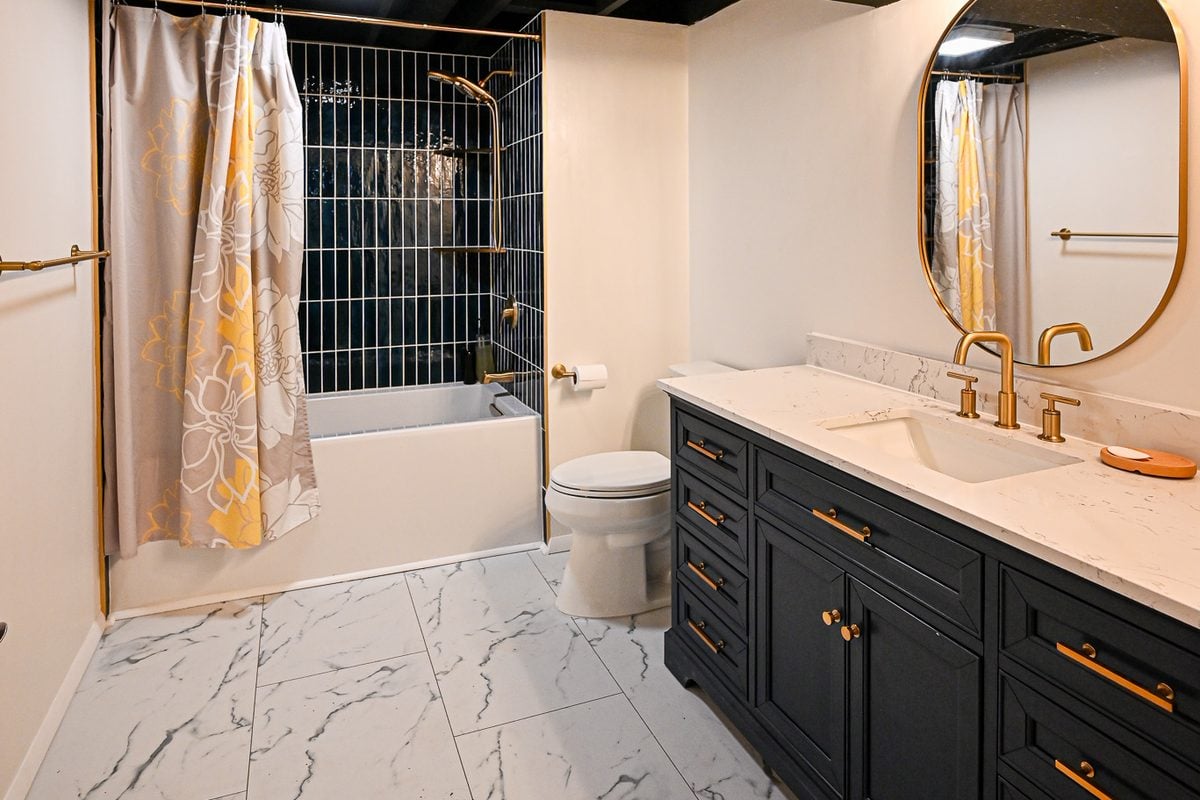
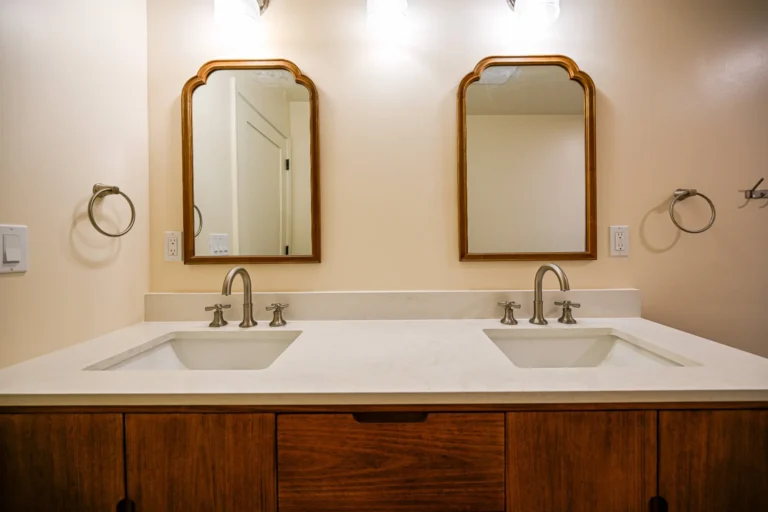
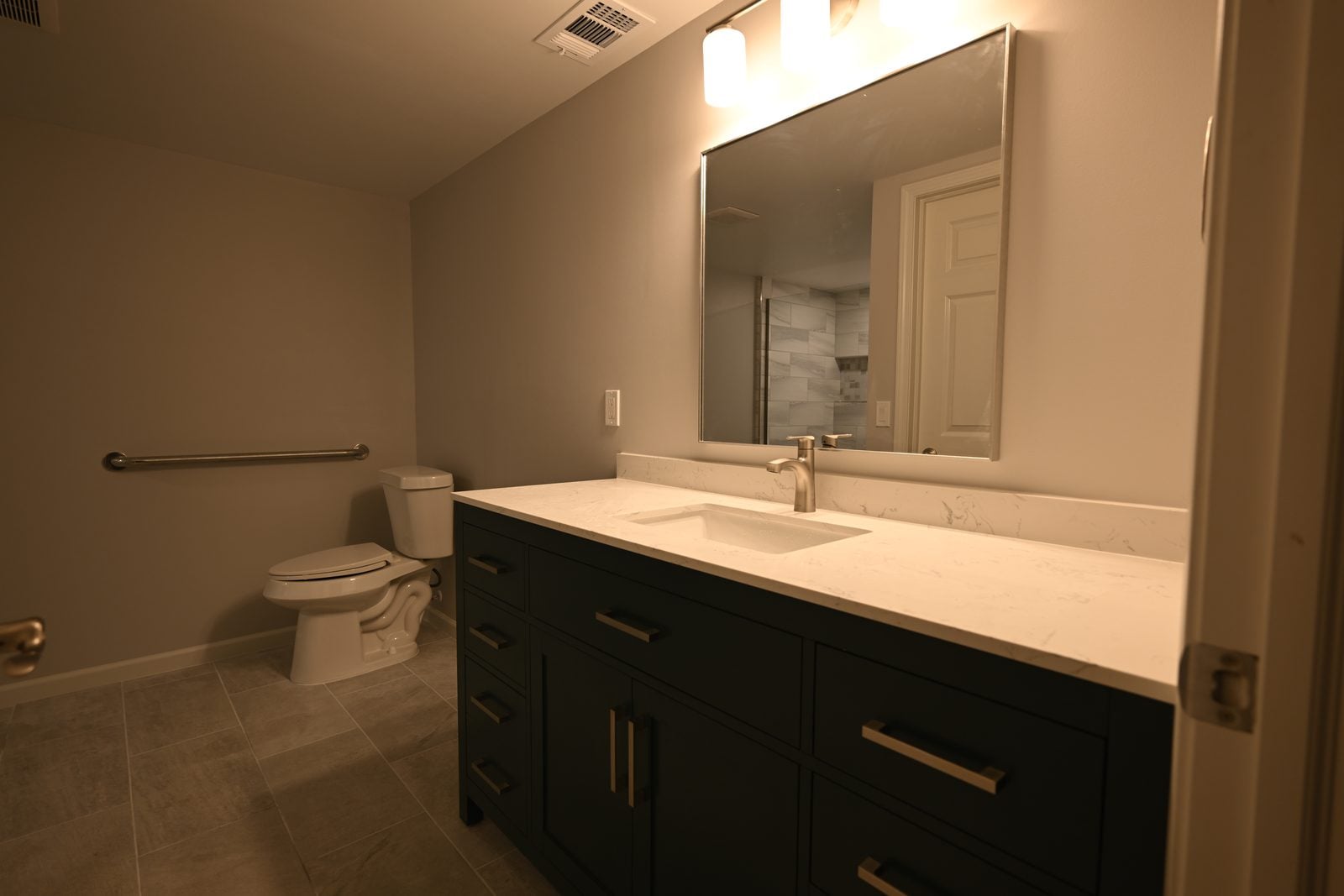
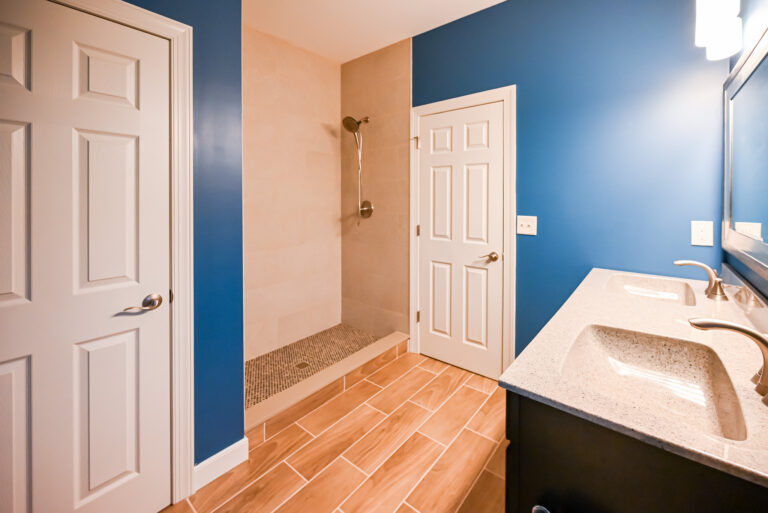
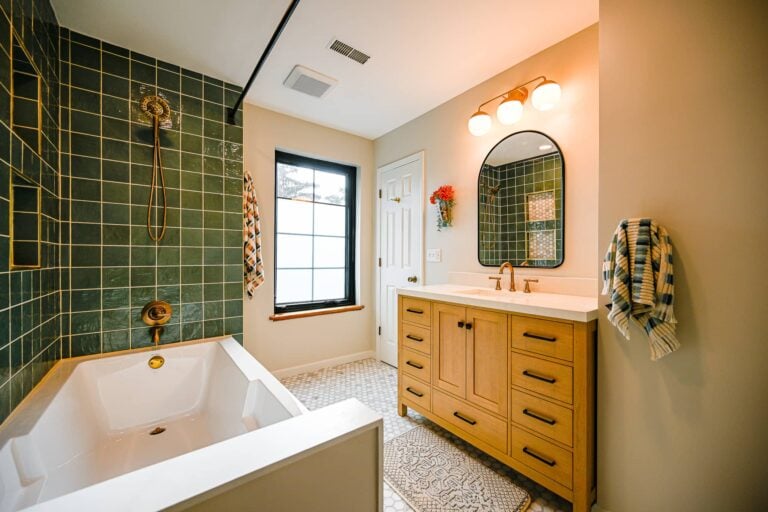
Master bathrooms evolved from purely functional spaces into personal spas. Double vanities eliminate morning congestion. Separate shower and soaking tubs provide options for different moods. Private toilet areas maintain dignity. Heated floors combat Michigan winters. These features change routine grooming into relaxation opportunities. Wright’s Renovations regularly installs luxury bathrooms that become homeowners’ favorite spaces.
Walk-in closets that actually work
Proper closets do more than store clothes. They organize wardrobes efficiently. Separate hanging spaces for long and short garments. Built-in dresser sections. Shoe storage that displays rather than piles. Accessory organizers for belts, ties, and jewelry. Good lighting that allows evaluating outfits accurately. These details rework closets from dark caves into functional dressing rooms.
Addition types and approaches
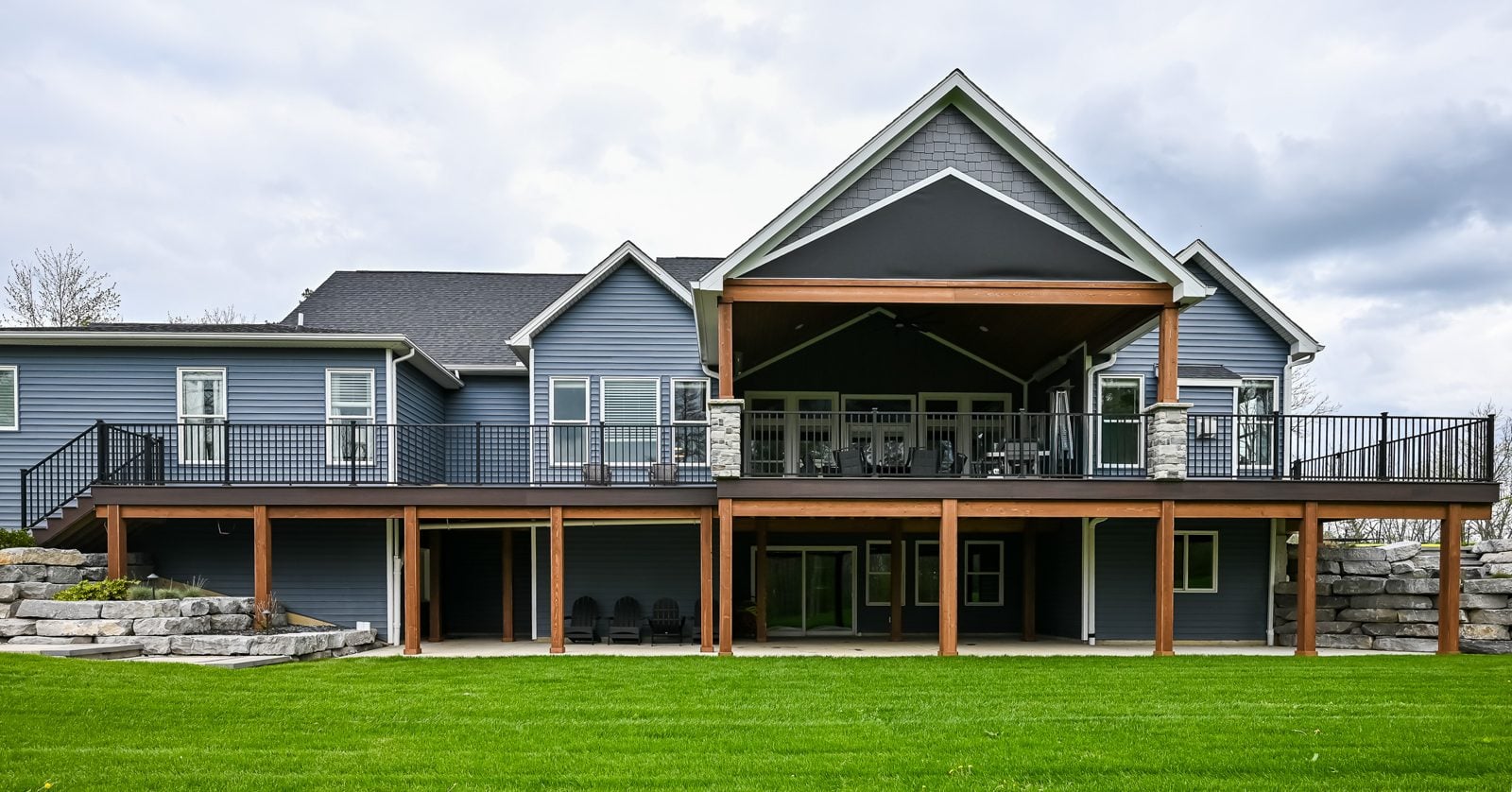
Master suite additions take different forms based on home architecture and site constraints. Some projects build out from existing structures at ground level. Others add second-story space above garages or living areas. Each approach presents unique advantages and challenges affecting cost, complexity, and timeline.
First-floor additions
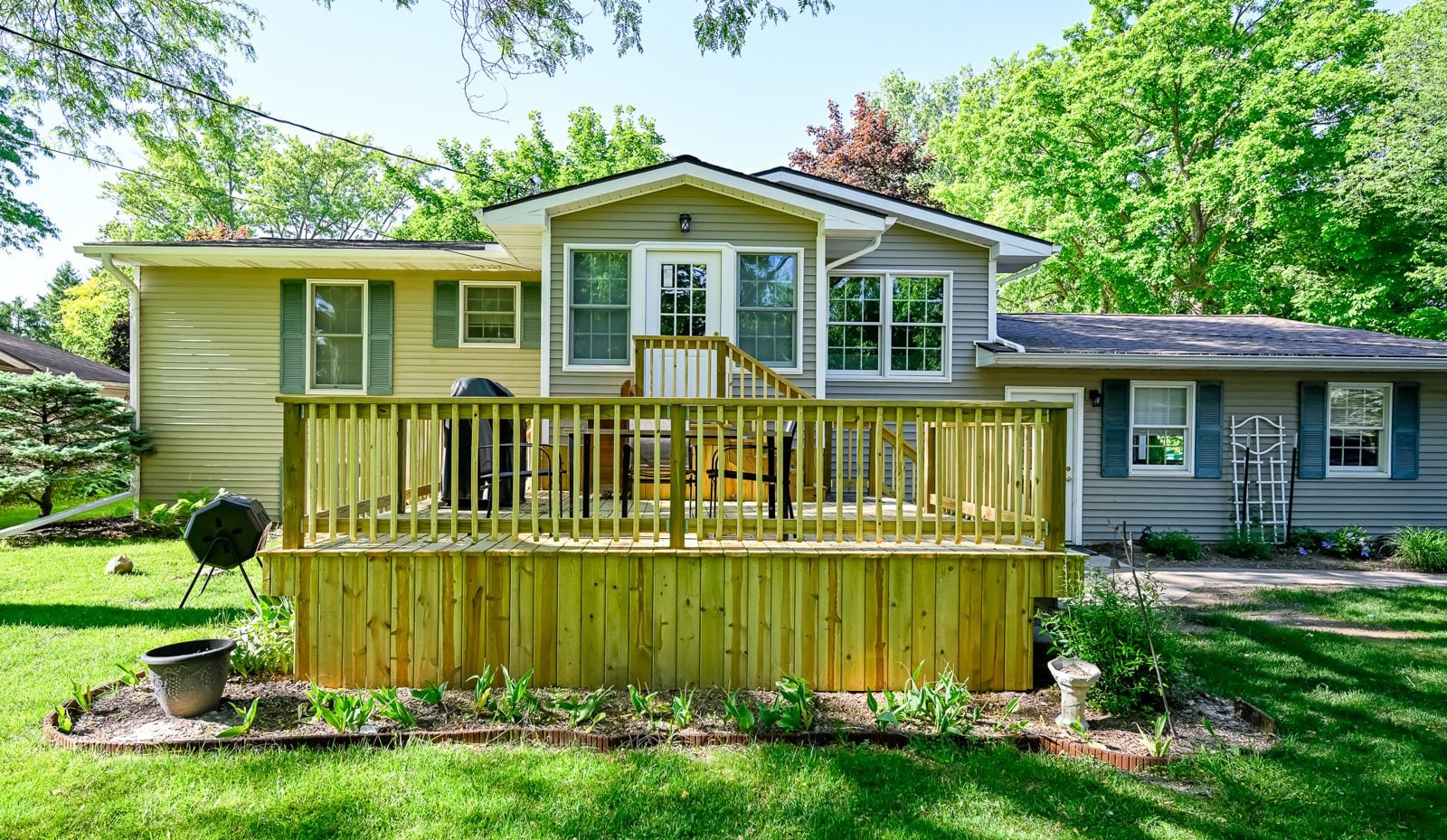
Ground-level additions work well for ranch homes or situations where stairs present accessibility concerns. They require substantial foundation work but avoid structural complications of adding weight to existing structures. First-floor suites provide main-level living, which matters more as homeowners age. The challenge involves site constraints and maintaining yard space for other uses.
Second-story additions
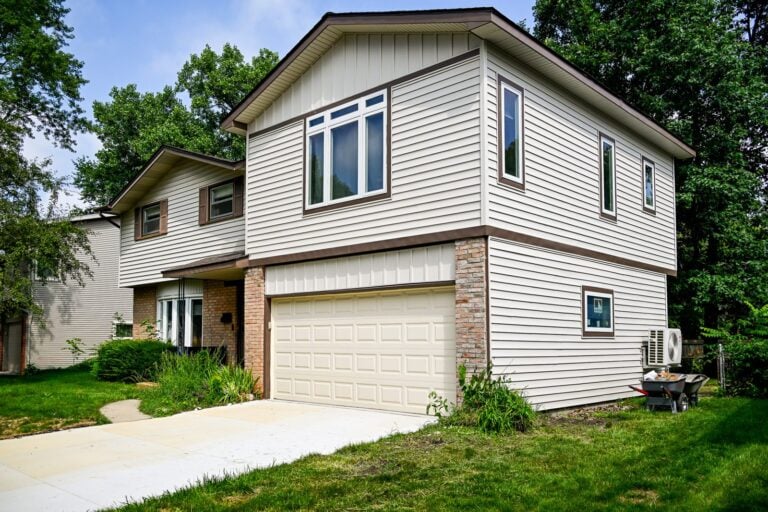
Building upward preserves yard space while adding square footage. Second-story additions work particularly well above garages where foundation and framing already exist. The structural challenges involve ensuring existing foundations support additional weight and integrating new spaces with existing homes cleanly. Access requires stairs, fine for many families but limiting for those with mobility concerns.
Converting existing space
Some homes offer possibilities for converting existing areas into master suites. Unused bonus rooms become bedroom space. Adjacent bedrooms combine into larger suites. Finished attics rework into private retreats. These conversions cost less than additions while requiring creative solutions for bathrooms and closets within existing footprints.
Architectural integration challenges
Master suite additions should look original rather than obviously added. This requires matching exterior materials, rooflines, and window styles to existing architecture. Interior spaces need proper transitions between old and new. Successful integration requires careful architectural planning rather than simply attaching boxes to homes. Katherine Anderson emphasizes that well-designed additions enhance entire homes rather than creating visible additions that detract from character.
Michigan climate considerations
Michigan weather influences addition design significantly. Proper insulation prevents heat loss during brutal winters. HVAC systems must adequately serve new spaces without overtaxing existing equipment. Roof designs accommodate snow loads. Moisture management prevents ice damming. These technical requirements affect comfort and long-term performance beyond initial construction.
Luxury features worth considering
Master suites provide opportunities for special features enhancing daily life. Fireplaces create cozy ambiance during cold months. Coffee bars eliminate early morning kitchen trips. Built-in entertainment systems provide relaxation options. Private balconies or covered porches extend living space outdoors. Window seats utilize morning light for reading. These additions rework adequate spaces into personal sanctuaries.
Technology integration
Modern master suites incorporate smart technology controlling lighting, temperature, window treatments, and audio through voice commands or apps. Motorized shades adjust automatically based on time and light levels. Sound systems provide white noise for better sleep or music during morning routines. These features enhance convenience without requiring visible equipment cluttering spaces.
Storage beyond basic closets
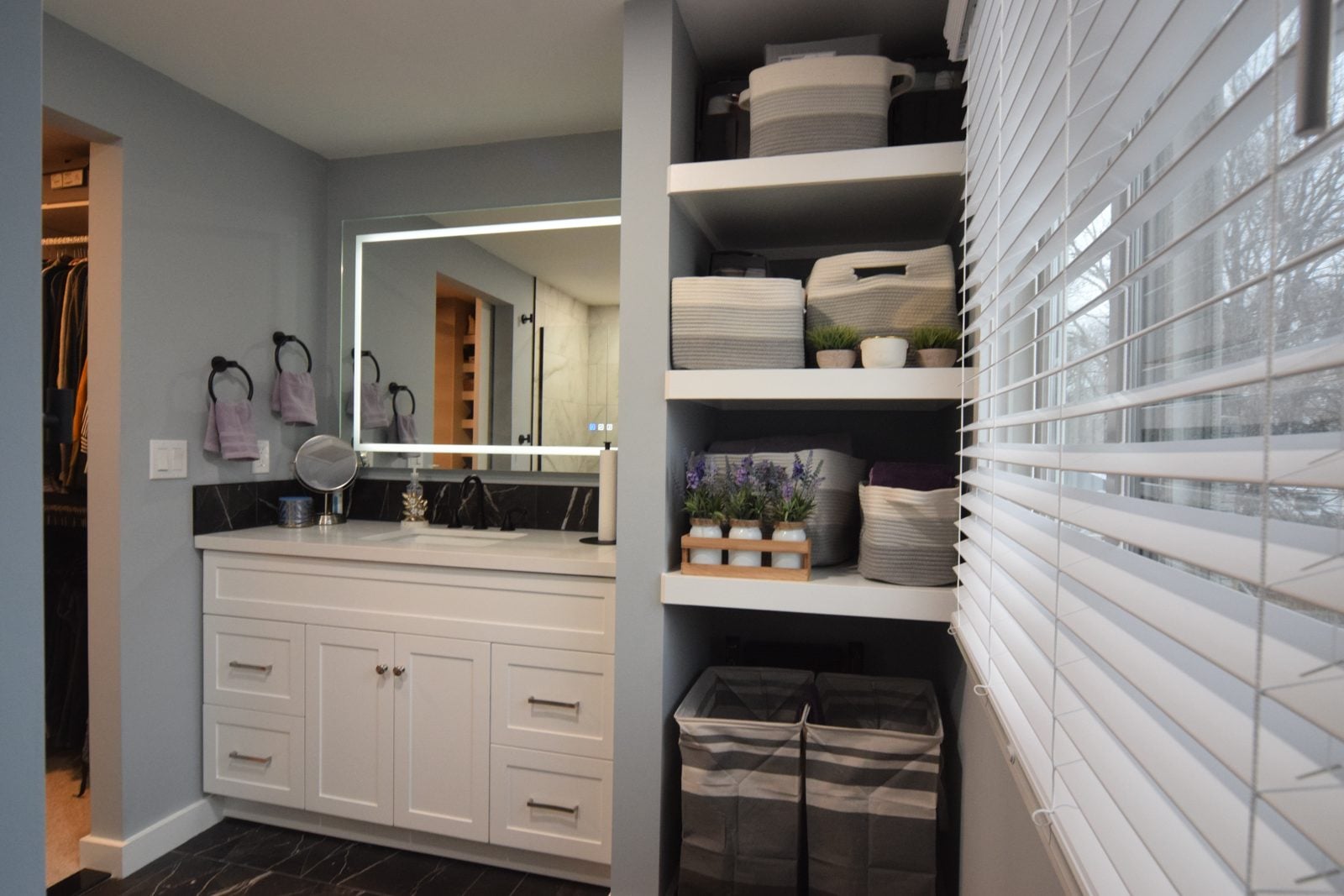
Comprehensive master suites often include storage beyond walk-in closets. Built-in dressers integrate with closet systems. Window seats provide hidden storage below seating. Under-bed storage platforms maximize unused space. Separate linen closets eliminate storing towels elsewhere. Strategic storage planning maintains organized, clutter-free environments.
Bathroom layout considerations
Master bathroom layouts require careful planning around clearances and functionality. Separate shower and tub areas provide flexibility. Double vanities need adequate spacing, 60 inches minimum for comfortable use. Private toilet rooms maintain dignity during simultaneous bathroom use. Proper ventilation prevents moisture problems while towel warmers add luxury. These details affect daily functionality beyond initial impressions.
Will Sujek recently designed a master bathroom in Northville where the homeowners wanted separate grooming zones, with vanities at opposite ends with shared shower and tub in the middle. This layout eliminated morning congestion while providing each person personalized space. Strategic mirror placement and lighting created zones feeling private despite open floor plan.
Natural light and privacy balance
Master suites need abundant natural light without sacrificing privacy. Strategic window placement captures morning sun while avoiding direct sight lines from neighboring properties. Skylights flood spaces with natural light without compromising walls. Privacy glass in bathrooms allows light while obscuring views. Balancing these competing needs requires thoughtful design rather than simply installing windows wherever convenient.
Investment and value considerations
Master suite additions typically cost between $100,000 and $250,000 depending on size, finishes, and complexity. Basic 300-square-foot suites with standard materials sit at lower ranges. Elaborate 600-square-foot retreats with luxury finishes exceed upper estimates. These investments typically return 50 to 70 percent at resale, not complete recoupment but substantial value addition. The real return involves daily satisfaction in properly designed private spaces.
Permit and approval requirements
Significant additions require building permits, inspections, and often planning approval. Most Michigan municipalities limit addition sizes relative to existing homes and lot coverage. Setback requirements affect placement. These regulations vary by location. Ann Arbor has different rules than Canton. Wright’s Renovations navigates permit processes and ensures projects meet all applicable codes.
Construction timeline expectations
Master suite additions typically require four to six months from groundbreaking to completion. Design and permitting precede construction by eight to twelve weeks. Weather affects timelines. Winter construction requires weatherproofing and heating for interior work. Complex projects involving structural work or elaborate finishes extend timelines. Setting realistic expectations prevents frustration when projects take longer than simple renovations.
Living through construction
Addition construction creates disruption: noise, dust, and workers accessing properties daily. Most families remain in homes during projects but face temporary inconveniences. Good contractors minimize disruption through dust barriers, dedicated construction entrances, and clear communication about daily activities. Wright’s Renovations coordinates work to maintain livability throughout construction rather than treating occupied homes like vacant job sites.
Financing master suite projects
Large addition projects require substantial capital. Home equity loans or lines of credit tap existing equity. Construction loans fund projects in draws tied to completion milestones. Some homeowners save over multiple years before building. Understanding financing options early prevents surprises and ensures projects align with financial realities rather than aspirational budgets.
Creating personal retreats
Master suite additions represent significant investments in daily quality of life. They provide space to relax, privacy to decompress, and luxury that makes homes feel like true retreats. Whether the goal involves addressing inadequate existing space or creating dream environments, thoughtful design and quality construction deliver spaces enhancing life for decades. Wright’s Renovations brings experience with master suite projects throughout Southeast Michigan and understands how to create private sanctuaries that become homeowners’ favorite spaces.
Contact Wright’s Renovations to discuss master suite addition possibilities for your home. The team serves communities throughout Southeast Michigan with expertise designing and building private retreats that rework houses into homes perfectly suited to how families actually live.
What moves the number inside that range
The band above spans $150,000, which is not useful on its own. Four things account for almost all of it, and knowing which ones apply to your house tells you where in the range you actually sit before anyone draws a plan.
Where the suite goes comes first. A ground-level addition runs $200 to $400 per square foot in Southeast Michigan. Going up runs $260 to $400, because a second story needs foundation reinforcement and first-floor framing upgrades before a single wall is framed. Converting existing space, an underused bedroom pair or an attic with headroom, avoids the shell entirely and is by a wide margin the cheapest version. A dormer is often what makes that conversion possible.
Then the bathroom, which is where suites get expensive quietly. A primary bathroom with a double vanity, a curbless tiled shower and a separate tub carries more fixture, tile and waterproofing cost per square foot than any other room in a house. Swapping a walk-in shower for a shower and tub pair, or accepting a single large shower, is the single largest cost decision on the whole project. Our primary bath page covers the layouts that work in the footprints we usually get.
Third is millwork. A walk-in closet built from custom millwork with drawer banks, islands and lit display runs several times what a well-planned system of stock components costs, and the difference in daily use is smaller than the difference in price. Fourth is distance, meaning how far the new bathroom sits from existing plumbing, which is the subject of the next section.
The addition cost calculator and our breakdown of addition cost per square foot in Michigan will put you inside a band before we visit.
Where the plumbing and the heat come from
A master suite adds a full bathroom and a large conditioned volume to a house whose systems were sized for neither. That is the part that does not show up in inspiration photos and does show up in the budget.
Waste is the constraint, not supply. A toilet needs a three-inch drain running at a quarter-inch per foot of fall to reach an existing stack, and every foot of horizontal run costs vertical drop you may not have. A suite on the far side of the house from the stack sometimes needs a new stack and a vent through the roof, which is a different order of work than tying into one that is ten feet away. We locate the stack on the first visit and it frequently moves the preferred location of the whole addition.
Heating and cooling is the second question. A four-hundred-square-foot suite with a bathroom is not a room your existing furnace was sized for, and pushing more air down an already-balanced trunk usually starves something else. The honest options are a dedicated zone, a separate small system, or a mini split, and all three want deciding during design rather than in the first February. Bathroom exhaust gets ducted to the exterior, never into the attic, which is the single most common defect we find in additions built by someone else.
What to look at before you spend anything
Four checks, three of which you can do yourself this afternoon. Find your survey and read the setbacks and the height limit for your district, because a suite that will not fit under the height cap is worth knowing about before you fall in love with a plan. Stand in the basement and find where the main stack leaves the house. Count the spare breaker spaces in your panel. Look honestly at whether the existing bedroom could become the closet and bath, which is how many of the best suites we build actually get their space.
The fourth is ours. We measure ceiling heights, joist direction and the roof geometry where the new structure has to tie in, because the roof intersection decides whether the addition reads as original or as attached. Selections and finish work follow the same sequence as any bath project, and the bathroom renovation timeline and tile and flooring pages cover those stages in detail.
We are a design-build contractor in Ypsilanti, so the drawings, the engineering, the permits and the crews all sit under one contract. See how a project runs, view our portfolio, or look at renovation financing if the timing is the obstacle rather than the plan. If the answer turns out to be a few feet rather than a wing, a bump-out is the cheaper conversation and we will say so.
Contact us now for a free quote, or call the shop at (734) 540-0347. Request an estimate and we will start in the basement, at the stack.
Related reading
The bedroom side of a suite has its own decisions, covered in the Michigan bedroom renovation guide.