
Bathroom tile guide: porcelain, ceramic, and stone for Michigan homes
Table of contents
- Choosing bathroom tile: porcelain, ceramic, and natural stone compared
- Porcelain tile: the performance leader for Michigan bathrooms
- Ceramic tile: the accessible option that still performs
- Natural stone tile: marble, slate, travertine, and limestone
- Tile sizing and format decisions for Michigan bathrooms
- Grout selection for bathroom longevity
- Waterproofing: the invisible layer that makes everything work
- Tile patterns that work in Michigan bathrooms
- Heated tile floors: a Michigan essential
- Working with Wright’s Renovations on your tile selection
Choosing bathroom tile: porcelain, ceramic, and natural stone compared
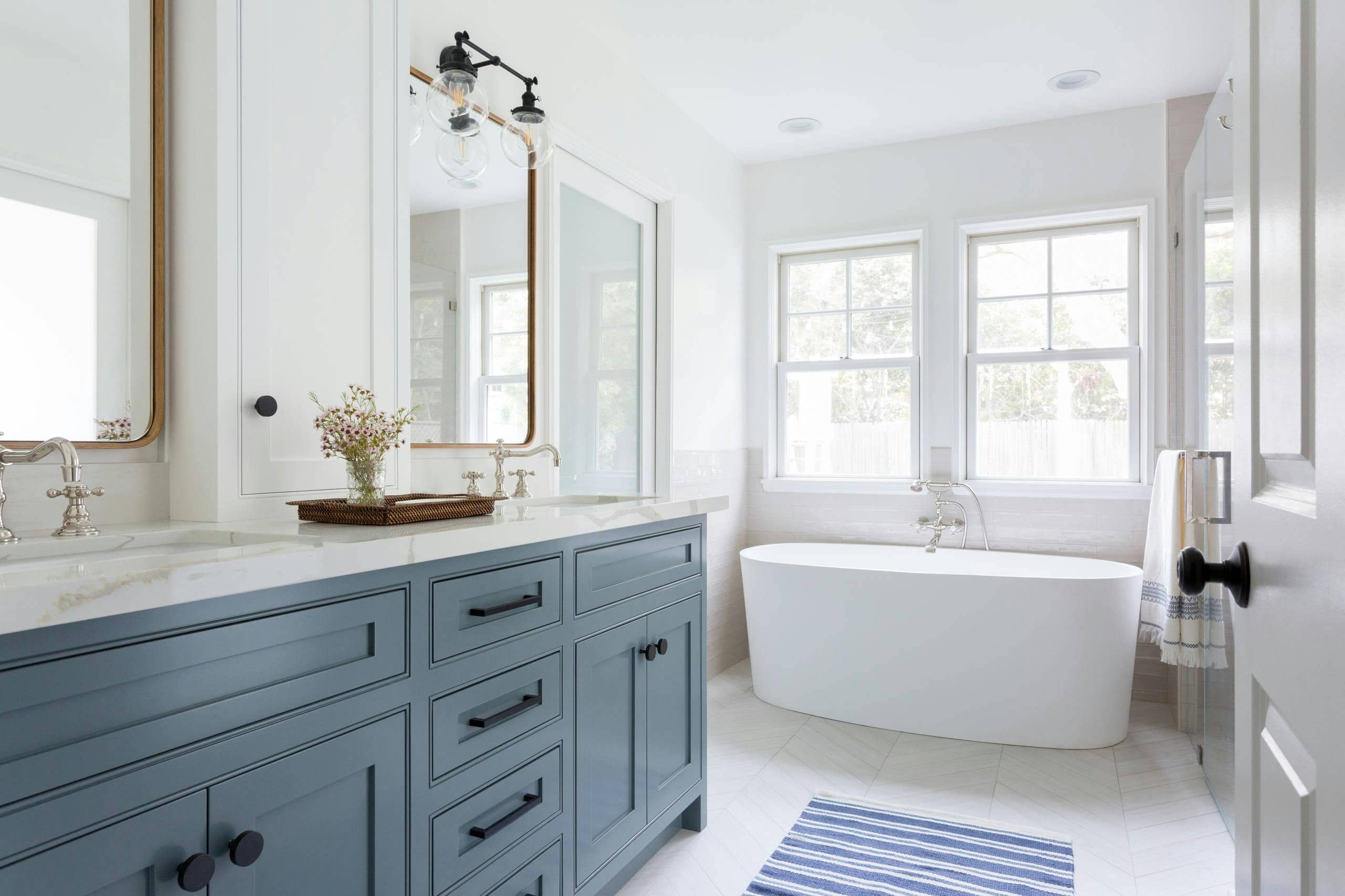
Bathroom tile porcelain ceramic stone selection determines how your bathroom looks on day one and how it holds up after a decade of daily showers, Michigan humidity, and the occasional dropped shampoo bottle. I have installed all three material categories in bathrooms across Ann Arbor, Birmingham, and throughout Southeast Michigan, and each material earns its place in specific situations. The wrong tile choice leads to cracking, staining, or maintenance frustration that lasts as long as the tile stays on the wall. The right choice creates a surface that performs invisibly for years.
Porcelain tile: the performance leader for Michigan bathrooms
Porcelain tile is fired at higher temperatures than ceramic (2,200 to 2,500 degrees Fahrenheit versus 1,800 to 2,000 degrees), which produces a denser body with a water absorption rate below 0.5 percent. That density makes porcelain the top performer in wet environments. In a shower enclosure where water contacts the tile surface every day, porcelain absorbs essentially nothing. No moisture penetration means no mold growth behind the tile, no freeze-thaw cracking (relevant for Michigan bathrooms on exterior walls), and no staining from hard water minerals.
Porcelain costs and options
Porcelain tile for bathrooms runs $4 to $20 per square foot for materials, with installed costs of $10 to $28 per square foot depending on tile size, pattern, and substrate preparation. A 50-square-foot shower surround (three walls from curb to ceiling) costs $500 to $1,400 installed. A full bathroom with tiled shower, floor, and accent wall runs $2,000 to $5,000 for the tile work alone. Our bathroom remodel cost guide shows how tile selection fits within the overall project budget.
The current porcelain market offers formats that were impossible a decade ago. Large-format porcelain slabs (48-by-96 inches and larger) can cover an entire shower wall with one or two pieces, eliminating grout lines almost entirely. Porcelain printed to replicate marble veining, wood grain, concrete texture, or terrazzo patterns has reached a quality level where the visual difference from natural materials is difficult to detect at conversational distance. For homeowners who want the marble look in a shower without marble maintenance, a polished porcelain with Calacatta or Statuario veining delivers that aesthetic at 40 to 60 percent of natural marble cost.
Where porcelain falls short
Porcelain is harder to cut than ceramic, which increases installation time and cost for complex layouts with numerous cuts around niches, windows, and fixtures. A herringbone pattern on the shower floor requires more precision cuts than the same pattern in ceramic, and each cut takes longer because the dense material wears through cutting blades faster. If your bathroom remodel includes intricate mosaic work or complex pattern layouts, factor the additional labor cost into the porcelain pricing.
Ceramic tile: the accessible option that still performs
Ceramic tile costs less than porcelain because the lower firing temperature uses less energy and the softer body is easier to manufacture. Water absorption is higher (typically 3 to 7 percent versus porcelain’s sub-0.5 percent), which limits where ceramic should be used in a bathroom. Ceramic works well on walls, backsplash areas, and decorative accents. For shower floors and areas with standing water contact, porcelain is the better choice.
Ceramic tile costs in Michigan
Ceramic tile runs $2 to $10 per square foot for materials, with installed costs of $8 to $18 per square foot. A 50-square-foot shower surround in ceramic costs $400 to $900 installed. The savings over porcelain are meaningful in budget-conscious bathroom renovations across Wayne County and Canton where the total bathroom budget stays under $12,000.
Ceramic excels as a decorative element paired with porcelain field tile. A handmade ceramic accent strip in a shower niche, a ceramic border tile at chair-rail height, or a ceramic mosaic medallion on the floor adds visual interest at a fraction of the cost of making the entire bathroom in handmade materials. This mix-and-match approach lets the budget stretch while still creating a bathroom that feels custom and intentional.
Ceramic limitations to understand
The higher water absorption rate means ceramic is more vulnerable to moisture damage if the waterproofing behind the tile fails. In Michigan bathrooms where temperature differentials between heated indoor air and cold exterior walls create condensation behind tile surfaces, moisture that reaches the ceramic body can cause the tile to delaminate from the thinset. This failure mode is rare with proper waterproofing (Schluter Kerdi membrane or equivalent), but it does happen in older remodels where the waterproofing was inadequate. When we install ceramic in wet areas, the waterproofing membrane is non-negotiable regardless of tile type.
Natural stone tile: marble, slate, travertine, and limestone
Natural stone brings a material quality to a bathroom that no manufactured product replicates. The weight of a marble slab in your hand, the texture of honed slate underfoot, the warm color variation in travertine walls all create a sensory experience that engineered products approximate but never equal. For primary bathrooms in Northville, Novi, and the Birmingham market where the bathroom is designed as a personal retreat, natural stone is the material that delivers that atmosphere.
Stone costs and maintenance
Natural stone tile installed runs $15 to $50 per square foot depending on the species. Marble is the most common choice for bathrooms, running $15 to $35 per square foot. Slate runs $10 to $25. Travertine runs $8 to $20. A full primary bathroom with stone tile on the shower walls, floor, and tub surround can reach $8,000 to $15,000 in tile and installation costs.
Every natural stone requires sealing. Marble requires sealing every 6 to 12 months in a shower environment because soap, shampoo, and body oils penetrate the porous surface. Slate is denser and needs sealing every 12 to 18 months. Travertine’s pitted surface (if left unfilled) traps moisture and soap residue, requiring more aggressive cleaning. I show clients the maintenance commitment for each stone before they select it because the day-to-day care differs dramatically from porcelain’s zero-maintenance profile.
Marble in the shower: the honest assessment
Marble shower walls are beautiful on day one. By year three, the marble will show etching from soap contact, water mineral deposits, and subtle color changes in the areas that receive the most direct water spray. This is not a defect. It is the nature of a calcium-based stone interacting with mildly acidic water and soap products. Some homeowners love the patina. They see the etching as character, the way leather develops a patina with use. Other homeowners are frustrated by the maintenance and wish they had chosen porcelain.
Before committing to marble in a shower, I ask clients to visit a marble shower that has been in use for three to five years. Not a showroom sample. Not a freshly installed project photo. A real shower in a real home where someone has used it daily. That visit takes 30 minutes and prevents years of regret in either direction. The bathroom tiling service page covers the installation specifics for each stone type.
Tile sizing and format decisions for Michigan bathrooms
The size of the tile affects the bathroom’s perceived dimensions. Large-format tiles (12-by-24 inches or larger) create fewer grout lines, which makes a small bathroom feel more open. A Ypsilanti or Livonia bathroom measuring 5 by 8 feet (the most common full-bathroom footprint in post-war Michigan homes) benefits from large-format wall tile laid horizontally, which elongates the walls visually.
Small-format tiles (2-by-2 mosaics, penny rounds, hexagons) work best on shower floors where the slope toward the drain requires the tile to follow a curved surface. Larger tiles cannot flex to follow drain slope without lippage (uneven tile edges), so the shower floor is the one area where small tile is technically necessary, not just an aesthetic choice. The grout lines in a mosaic shower floor also provide traction underfoot, which is a safety feature that smooth large-format tile cannot offer without a textured surface treatment.

Grout selection for bathroom longevity
The grout discussion matters even more in bathrooms than in kitchens because moisture exposure is constant. Epoxy grout ($4 to $8 per pound installed versus $0.50 to $1 per pound for cement grout) creates a waterproof, stain-proof joint that never needs sealing. In a shower that gets daily use, epoxy grout eliminates the mold and mildew that grows in cement grout joints within the first two years.
Cement grout in a bathroom shower will discolor. Period. Even with annual sealing, the grout joints in the direct water path will darken over time. Homeowners can fight this with bleach-based cleaners (which damage natural stone) or accept the darkening as normal wear. Or they can specify epoxy grout at installation and eliminate the problem entirely. I recommend epoxy grout for every shower and tub surround installation because the cost premium is small relative to ten years of reduced maintenance.
Waterproofing: the invisible layer that makes everything work
Behind every bathroom tile installation is a waterproofing system that prevents moisture from reaching the framing and subfloor. This is not optional. Michigan building code requires waterproofing in all shower and tub surround areas, and our quality standards exceed code by waterproofing the entire wet zone, including the ceiling above the shower if the bathroom is below a second floor.
The waterproofing membrane (we use Schluter Kerdi or equivalent sheet membrane) goes on after the substrate is installed and before any tile is set. Every seam is overlapped and sealed. Every penetration (valve bodies, showerhead pipes, niche edges) gets a waterproof collar. Every corner gets a pre-formed corner piece. The membrane installation takes a full day, adds $600 to $1,200 to the project cost, and is the single most important layer in the bathroom. A tile installation without proper waterproofing will fail. The tile will look fine for months or years, and then the framing behind it rots, the subfloor deteriorates, and the entire installation needs to be torn out and redone.
Tile patterns that work in Michigan bathrooms
The pattern you select affects both the visual impact and the installation cost. A running bond (offset brick) pattern is the most forgiving to install and works with any tile size. Herringbone adds visual energy and works particularly well as a shower floor pattern because the angled lines draw the eye toward the center of the space. A vertical stack pattern (tiles aligned in a grid with no offset) creates a modern, geometric look that pairs well with contemporary fixtures and minimalist design.
For primary bathrooms in Plymouth neighborhoods and the Northville area where the shower is the visual centerpiece, we often combine two patterns within the same shower. A herringbone pattern on the back wall as a feature, with running bond on the side walls and floor, creates a focal point without overwhelming the space. The two patterns should use the same tile or complementary tiles from the same collection to maintain cohesion.
Large-format tile on bathroom floors (12-by-24 or 24-by-24) reduces grout lines and makes small bathrooms feel larger. The fewer joints on the floor, the more continuous the surface reads, and continuity creates the perception of space. However, large tiles on a shower floor do not work because the floor must slope toward the drain and large rigid tiles cannot follow the slope without creating lippage at the tile edges. Shower floors require small-format tile (2-by-2 mosaic or hexagons up to 4 inches) that can flex to follow the drain slope.
Heated tile floors: a Michigan essential
Tile floors are cold. In a Michigan bathroom during January, stepping onto an unheated tile floor at 6 a.m. is an experience that makes homeowners regret choosing tile over a warmer surface. Electric radiant heat mats installed under the tile solve this completely. The mats add $8 to $14 per square foot to the bathroom floor cost and connect to a programmable thermostat that warms the floor before you wake up. For a 40-square-foot bathroom floor, radiant heat adds $320 to $560 for materials plus $300 to $500 for installation and the thermostat. The heated bathroom floor page covers the installation process and compatible tile types.
Porcelain and ceramic tile are the best conductors of radiant heat. Stone tile works but heats more slowly due to its density. The tile thickness affects heat transfer: thinner tiles (8 to 10 mm) warm faster than thick tiles (12 to 15 mm). If you are installing radiant heat, discuss tile thickness with your contractor during the selection process, not after the tile is purchased. The wrong tile thickness can make the difference between a floor that reaches comfortable temperature in 15 minutes versus one that takes 45 minutes.
Working with Wright’s Renovations on your tile selection
We bring tile samples to every bathroom remodel consultation so you can see and feel each material against your vanity selection, paint colors, and heated floor system. The sample board shows you combinations you would not discover browsing online. What looks cold in a photo can feel warm in person when paired with the right grout color and complementary fixtures.
Schedule a consultation to compare porcelain, ceramic, and natural stone options for your bathroom remodel. We serve homeowners across Washtenaw County, Oakland County, and the Wayne County area. Check our client reviews for examples of completed tile installations in real Michigan bathrooms.
