
Southeast Michigan · design-build since 2021
Home renovation for every era of Michigan house
The right plan depends on when your house was built. A 1910 Ypsilanti foursquare, a 1960s Livonia ranch, and a 1990s Novi colonial each hide different problems behind the walls. Wright's Renovations reads those differences before demo day, so the budget you approve is the budget you pay.
How age changes the scope
Why the age of your house sets the plan
Two houses can sit on the same street and need opposite things. One was framed with rough-sawn lumber and horsehair plaster. The other went up during a 1990s subdivision boom with trusses and drywall. Pricing a kitchen the same way for both is how a project runs over. The Southeast Michigan renovation guide walks through the questions a homeowner should ask before signing anything.
Older houses carry surprises that only show up once a wall opens. Wiring that predates grounded outlets. Supply lines that have narrowed with mineral buildup. Framing that was notched by a previous contractor who left no drawings. A house from the last few decades has fewer structural unknowns, but it often needs its floor plan rethought and its finishes brought up to how families actually live now.
Permits follow the same pattern. A century-old house may have work on record that no longer meets code, while a newer build usually has a cleaner paper trail. Wright's pulls that history early. You can read how the local rules work in this breakdown of renovation permits in Southeast Michigan, or browse renovations by county to see where the crews already work.
Age also decides where the money goes. In a pre-1940 house, a large share of the budget can disappear into things a guest will never see: rewiring a circuit, sistering a floor joist, correcting a roof line that sagged over eighty winters. In a newer house, more of the budget reaches the finishes, because the bones are sound. Naming that split up front is the difference between a plan you can trust and a number that grows every week.
None of this means an old house is a bad buy. Southeast Michigan is full of well-built pre-war homes with details no builder puts in today: real hardwood, deep baseboards, brick that has outlasted three furnaces. The work is about keeping what makes the house worth owning and fixing what forty or a hundred years quietly broke.
The team sees the same story across the region. A buyer falls for the porch or the lot, then learns the electrical panel is original and the one bathroom sits over a cracked drain line. Knowing which of those repairs are urgent and which can wait a year is the part a homeowner can't see from the curb. That triage is where a good design-build plan earns its fee.
Renovate by home era
Pick the era that matches your house. The historic guide is live now, with the mid-century and contemporary guides in production. If you own a home built before World War II, start with the historic home renovation guide.
Historic homes
Pre-1940
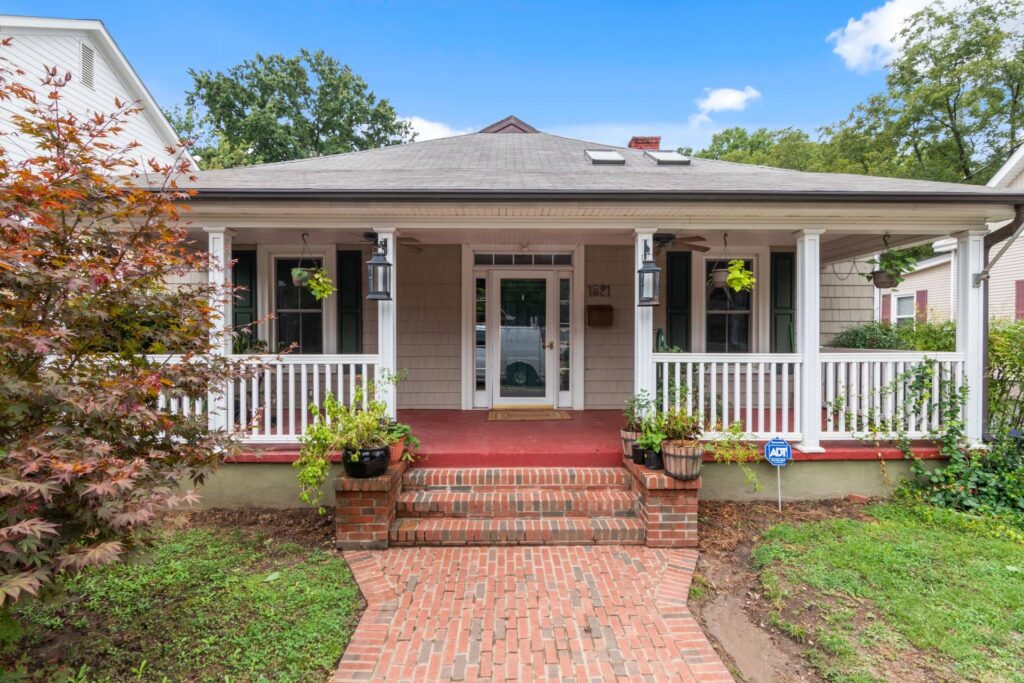
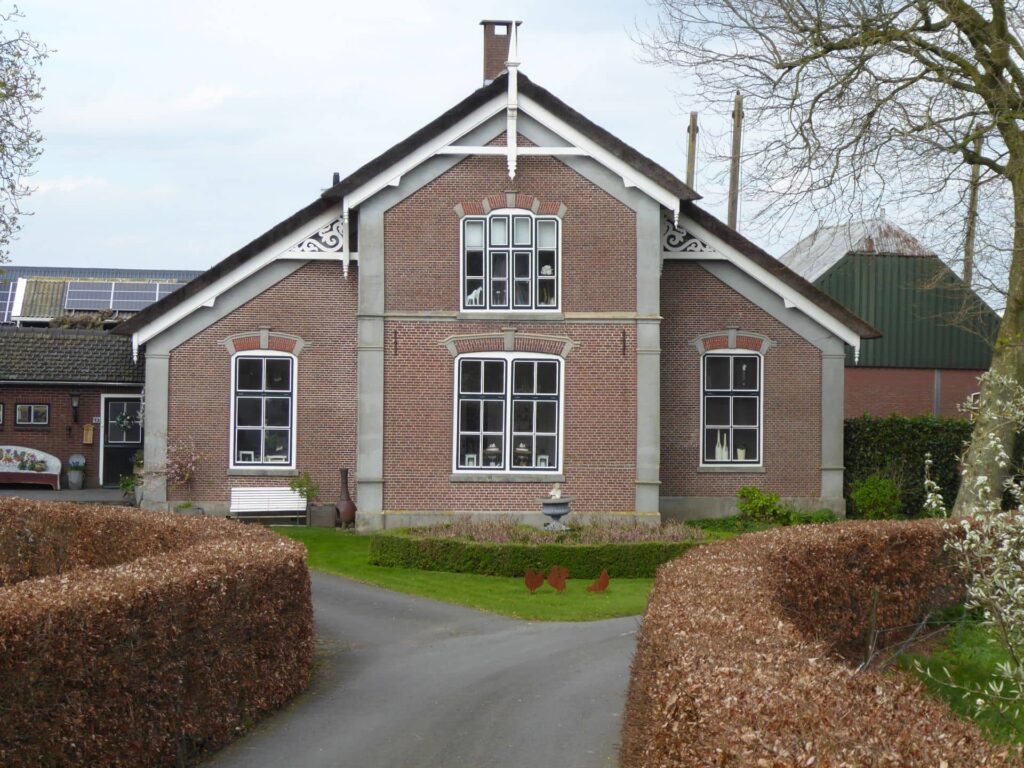
Foursquares, bungalows, and farmhouses across Ann Arbor, Ypsilanti, and the older county seats. Plaster, original trim, and wiring that needs a careful hand.
Common historic renovation challengesMid-century homes
1945 to 1979
Ranches and split-levels from the postwar building waves in Livonia, Westland, and the near suburbs. Low ceilings, closed kitchens, and dated systems.
Detailed guide in productionContemporary homes
1980s and newer
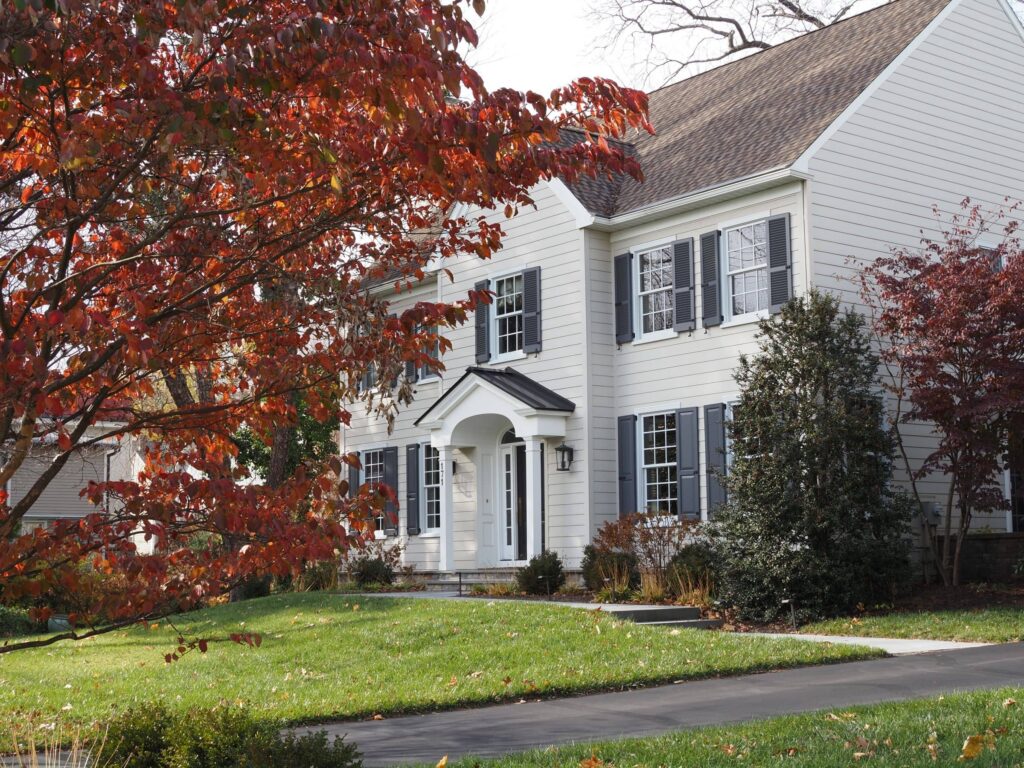
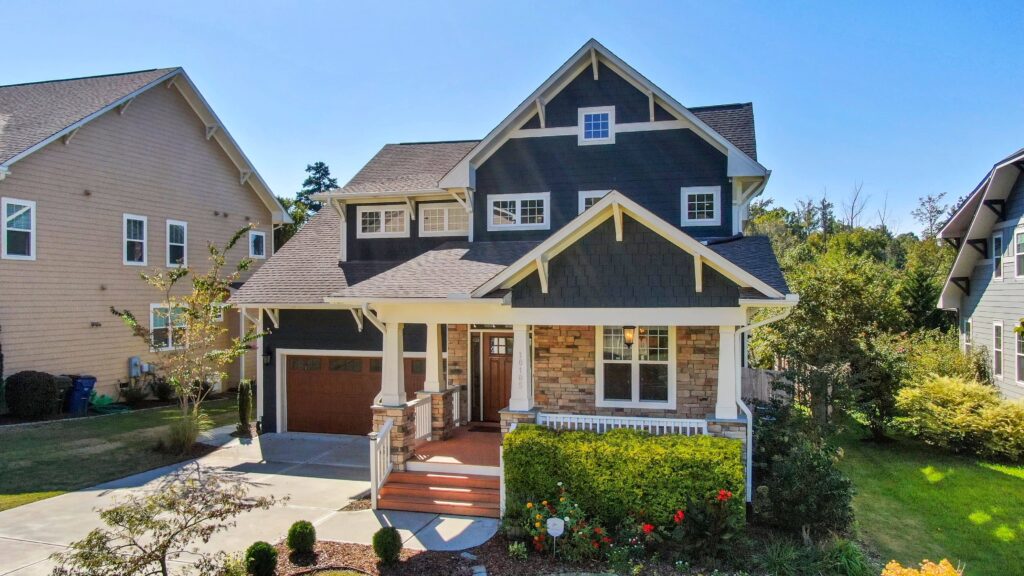
Colonials and open-concept builds in Novi, Canton, and the growth-ring townships. Solid bones that mostly need better finishes and a smarter layout.
Detailed guide in productionHistoric homes, pre-1940
These are the houses that give a street its character and give a contractor the most to check. Behind the plaster you find balloon framing, cloth-wrapped wiring, and cast-iron drains that have seen a century of use. The plan starts with what has to be brought up to code and works outward toward the kitchen and baths. The full picture lives in the pre-1940 renovation guide.
Mid-century homes, 1945 to 1979
Postwar ranches were built fast and built solid, but they were built for a different way of living. Kitchens were meant to be closed rooms. Bathrooms were small. Ceilings sit at eight feet. Most of the work here is opening sightlines and modernizing the mechanicals, which pairs well with kitchen remodeling that takes down the wall between the cooking and living space.
Contemporary homes, 1980s and newer
Newer houses rarely need structural rescue. What they need is finish work that catches the home up to its own square footage: better cabinets, real tile, an island where a peninsula used to crowd the room. A bathroom renovation in a 1995 colonial is mostly about material quality and layout, not tearing the house back to the studs.
The work most Michigan homes need
Almost every whole-house plan comes down to a handful of rooms doing more work. The team quotes each one as a fixed scope, so you see the price of the cabinets, the tile, and the labor as separate lines rather than a single lump sum you have to take on faith.
- A new kitchen layout that opens a galley to the living room and rebuilds around how you cook.
- An updated bathroom with waterproofing done right and tile lines that align across the wall.
- Basement finishing that adds real square footage without trapping moisture below grade.
- Home additions framed to match the roofline, including a Cape Cod addition that keeps the original proportions.
- Decks and outdoor living built to carry Michigan winters and the freeze-thaw that follows.
When the work spans the entire house, the plan shifts from single rooms to sequence and cash flow. A luxury home renovation and a phased remodel share the same math: order the rooms so the family can keep living there. See how that played out on a whole-home project in Birmingham, then read the approach to phasing a whole-home renovation.
The rooms rarely stand alone. Opening a kitchen often means moving a return duct that feeds the bedrooms upstairs. Finishing a basement can mean relocating the panel that a bathroom on the main floor also depends on. One team holding the whole plan is what keeps those overlaps from turning into surprise costs halfway through.
Material lead times shape the plan as much as labor does. Semi-custom cabinets can take eight to twelve weeks to arrive, and a tile that has to ship rarely lands overnight. Ordering long-lead items during the design phase, before demo, keeps the crew from standing around a torn-out kitchen waiting on a box. That kind of scheduling is invisible when it works and painfully obvious when it doesn't.
How a Wright's renovation runs
The firm builds design-build, which means one team carries the project from the first measurement to the final walkthrough. There's no handoff between an architect who drew it and a contractor who never saw the drawings until bid day. That single line of ownership is what keeps a fixed-scope budget honest.
The full sequence is documented on the design-build process page, and the county-level version lives on the design-build approach for Southeast Michigan. Both explain the same thing: design and pricing get locked together before anyone swings a hammer.
- Measure the house as it is, including the parts hidden behind plaster and drywall.
- Design the plan and price it line by line, so tradeoffs happen on paper.
- Build with the same crew that estimated it, checked against the drawings daily.
Daily logs keep the homeowner in the loop without a phone call every afternoon. The foreman notes who was on site, what got done, and what comes next. When a change does come up, and on an older house one usually does, it lands as a written line with a price attached, not a verbal guess that shows up on the final invoice.
That paper trail matters most on the houses with the most unknowns. When a plumber opens a pre-1940 wall and finds a drain the previous owner never disclosed, the written change order shows the cost before the work happens, not after. The homeowner decides, and nothing gets buried in the total.
Michigan seasons decide the calendar
Weather sets the order of work here more than it does in warmer states. Footings for an addition have to reach below the frost line, which runs deep after a hard winter, so foundation and exterior work clusters in spring through fall. That makes late winter the right time to design and permit, so the crew can break ground the week the ground thaws.
Interior work runs year-round, which is why a basement conversion or a kitchen gut is often the smart winter project. Booking the design phase months ahead also beats the spring rush, when every homeowner in the county calls the same week the snow melts. Planning around the calendar is part of what a good estimate accounts for.
- Late winter into early spring: design, permits, and material ordering.
- Spring through fall: foundations, additions, roofs, decks, and exterior work.
- Winter: kitchens, baths, and basements that keep the crew inside and warm.
What a fixed-scope budget includes
A Wright's estimate is meant to be read, not just signed. Every allowance is named. Every line shows what it covers. When a homeowner asks why the tile costs what it does, the answer is already on the page, not buried in a change order three weeks into the job.
A line-item estimate, read left to right
Naming the allowances up front is what protects the number. If you fall for a tile that costs more than the line allowed, you see the difference the day you pick it, not the day the invoice arrives. That is how a fixed scope stays fixed even when taste changes mid-project, which on a kitchen it almost always does.
Paying for it is a separate question, and the team keeps that transparent too. You can compare monthly cost against project size on the renovation financing page, or read the plain-English version in this rundown of financing options explained.
What a renovation gives back
Not every project pays for itself at resale, and an honest contractor will tell you which ones come closest. A mid-range kitchen or bath update tends to return more of its cost than a high-end splurge, because buyers pay for a space that works before they pay for the top shelf of finishes. The projects in the completed project gallery show where that line usually falls.
Function matters as much as finish. A pre-1940 house with rewired circuits, a dry basement, and a kitchen that opens to the living room lives better and shows better than the same house with a granite counter bolted onto old bones. If you plan to stay, the return is the years you spend in a house that finally fits. If you plan to sell, it is a listing that reads as move-in ready instead of a project someone else has to finish.
Timing the market's a losing game, but timing the house isn't. Fixing a roof before it leaks costs less than fixing a roof and the ceiling below it. Rewiring during a kitchen gut costs a fraction of rewiring as its own project a year later. Bundling the work that shares a wall or a trench is how a renovation returns more than the sum of its lines.
Where Wright's builds across Southeast Michigan
The crews cover six counties from the Ypsilanti shop, with more than 550 completed projects on the board. That footprint means a foreman who already knows the inspectors, the older housing stock, and the way a 1920s neighborhood differs from a 2005 subdivision two towns over.
Ann Arbor and Ypsilanti bring pre-war homes and university-town density. Northville, Novi, and Plymouth trend newer and larger. Monroe and the river towns carry their own mix of farmhouse and postwar stock. A crew that has worked all of it can price your house for what it is, not for an average pulled off a spreadsheet.
Local knowledge shortens the permit line too. A crew that has pulled dozens of permits in the same townships knows which offices want drawings in person and which take a portal upload, and that alone can save a project a week.
Read a little more before you plan
The blog covers the questions that come up most often before a project starts. If your house predates 1940, the piece on renovating a pre-1940 house is the best place to begin, and the wider Wright's blog goes deeper on kitchens, basements, and additions across the region.
Start your Southeast Michigan renovation
Bring the address and the rough idea. The team measures, prices it line by line, and hands you a budget you can read. No pressure, no vague lump sums.
Southeast Michigan · design-build since 2021
Home renovation for every era of Michigan house
The right plan depends on when your house was built. A 1910 Ypsilanti foursquare, a 1960s Livonia ranch, and a 1990s Novi colonial each hide different problems behind the walls. Wright's Renovations reads those differences before demo day, so the budget you approve is the budget you pay.
How age changes the scope
Why the age of your house sets the plan
Two houses can sit on the same street and need opposite things. One was framed with rough-sawn lumber and horsehair plaster. The other went up during a 1990s subdivision boom with trusses and drywall. Pricing a kitchen the same way for both is how a project runs over. The Southeast Michigan renovation guide walks through the questions a homeowner should ask before signing anything.
Older houses carry surprises that only show up once a wall opens. Wiring that predates grounded outlets. Supply lines that have narrowed with mineral buildup. Framing that was notched by a previous contractor who left no drawings. A house from the last few decades has fewer structural unknowns, but it often needs its floor plan rethought and its finishes brought up to how families actually live now.
Permits follow the same pattern. A century-old house may have work on record that no longer meets code, while a newer build usually has a cleaner paper trail. Wright's pulls that history early. You can read how the local rules work in this breakdown of renovation permits in Southeast Michigan, or browse renovations by county to see where the crews already work.
Age also decides where the money goes. In a pre-1940 house, a large share of the budget can disappear into things a guest will never see: rewiring a circuit, sistering a floor joist, correcting a roof line that sagged over eighty winters. In a newer house, more of the budget reaches the finishes, because the bones are sound. Naming that split up front is the difference between a plan you can trust and a number that grows every week.
None of this means an old house is a bad buy. Southeast Michigan is full of well-built pre-war homes with details no builder puts in today: real hardwood, deep baseboards, brick that has outlasted three furnaces. The work is about keeping what makes the house worth owning and fixing what forty or a hundred years quietly broke.
The team sees the same story across the region. A buyer falls for the porch or the lot, then learns the electrical panel is original and the one bathroom sits over a cracked drain line. Knowing which of those repairs are urgent and which can wait a year is the part a homeowner can't see from the curb. That triage is where a good design-build plan earns its fee.
Renovate by home era
Pick the era that matches your house. The historic guide is live now, with the mid-century and contemporary guides in production. If you own a home built before World War II, start with the historic home renovation guide.
Historic homes
Pre-1940
Foursquares, bungalows, and farmhouses across Ann Arbor, Ypsilanti, and the older county seats. Plaster, original trim, and wiring that needs a careful hand.
Common historic renovation challengesMid-century homes
1945 to 1979
Ranches and split-levels from the postwar building waves in Livonia, Westland, and the near suburbs. Low ceilings, closed kitchens, and dated systems.
Detailed guide in productionContemporary homes
1980s and newer
Colonials and open-concept builds in Novi, Canton, and the growth-ring townships. Solid bones that mostly need better finishes and a smarter layout.
Detailed guide in productionHistoric homes, pre-1940
These are the houses that give a street its character and give a contractor the most to check. Behind the plaster you find balloon framing, cloth-wrapped wiring, and cast-iron drains that have seen a century of use. The plan starts with what has to be brought up to code and works outward toward the kitchen and baths. The full picture lives in the pre-1940 renovation guide.
Mid-century homes, 1945 to 1979
Postwar ranches were built fast and built solid, but they were built for a different way of living. Kitchens were meant to be closed rooms. Bathrooms were small. Ceilings sit at eight feet. Most of the work here is opening sightlines and modernizing the mechanicals, which pairs well with kitchen remodeling that takes down the wall between the cooking and living space.
Contemporary homes, 1980s and newer
Newer houses rarely need structural rescue. What they need is finish work that catches the home up to its own square footage: better cabinets, real tile, an island where a peninsula used to crowd the room. A bathroom renovation in a 1995 colonial is mostly about material quality and layout, not tearing the house back to the studs.
The work most Michigan homes need
Almost every whole-house plan comes down to a handful of rooms doing more work. The team quotes each one as a fixed scope, so you see the price of the cabinets, the tile, and the labor as separate lines rather than a single lump sum you have to take on faith.
- A new kitchen layout that opens a galley to the living room and rebuilds around how you cook.
- An updated bathroom with waterproofing done right and tile lines that align across the wall.
- Basement finishing that adds real square footage without trapping moisture below grade.
- Home additions framed to match the roofline, including a Cape Cod addition that keeps the original proportions.
- Decks and outdoor living built to carry Michigan winters and the freeze-thaw that follows.
When the work spans the entire house, the plan shifts from single rooms to sequence and cash flow. A luxury home renovation and a phased remodel share the same math: order the rooms so the family can keep living there. See how that played out on a whole-home project in Birmingham, then read the approach to phasing a whole-home renovation.
The rooms rarely stand alone. Opening a kitchen often means moving a return duct that feeds the bedrooms upstairs. Finishing a basement can mean relocating the panel that a bathroom on the main floor also depends on. One team holding the whole plan is what keeps those overlaps from turning into surprise costs halfway through.
Material lead times shape the plan as much as labor does. Semi-custom cabinets can take eight to twelve weeks to arrive, and a tile that has to ship rarely lands overnight. Ordering long-lead items during the design phase, before demo, keeps the crew from standing around a torn-out kitchen waiting on a box. That kind of scheduling is invisible when it works and painfully obvious when it doesn't.
How a Wright's renovation runs
The firm builds design-build, which means one team carries the project from the first measurement to the final walkthrough. There's no handoff between an architect who drew it and a contractor who never saw the drawings until bid day. That single line of ownership is what keeps a fixed-scope budget honest.
The full sequence is documented on the design-build process page, and the county-level version lives on the design-build approach for Southeast Michigan. Both explain the same thing: design and pricing get locked together before anyone swings a hammer.
- Measure the house as it is, including the parts hidden behind plaster and drywall.
- Design the plan and price it line by line, so tradeoffs happen on paper.
- Build with the same crew that estimated it, checked against the drawings daily.
Daily logs keep the homeowner in the loop without a phone call every afternoon. The foreman notes who was on site, what got done, and what comes next. When a change does come up, and on an older house one usually does, it lands as a written line with a price attached, not a verbal guess that shows up on the final invoice.
That paper trail matters most on the houses with the most unknowns. When a plumber opens a pre-1940 wall and finds a drain the previous owner never disclosed, the written change order shows the cost before the work happens, not after. The homeowner decides, and nothing gets buried in the total.
Michigan seasons decide the calendar
Weather sets the order of work here more than it does in warmer states. Footings for an addition have to reach below the frost line, which runs deep after a hard winter, so foundation and exterior work clusters in spring through fall. That makes late winter the right time to design and permit, so the crew can break ground the week the ground thaws.
Interior work runs year-round, which is why a basement conversion or a kitchen gut is often the smart winter project. Booking the design phase months ahead also beats the spring rush, when every homeowner in the county calls the same week the snow melts. Planning around the calendar is part of what a good estimate accounts for.
- Late winter into early spring: design, permits, and material ordering.
- Spring through fall: foundations, additions, roofs, decks, and exterior work.
- Winter: kitchens, baths, and basements that keep the crew inside and warm.
What a fixed-scope budget includes
A Wright's estimate is meant to be read, not just signed. Every allowance is named. Every line shows what it covers. When a homeowner asks why the tile costs what it does, the answer is already on the page, not buried in a change order three weeks into the job.
A line-item estimate, read left to right
Naming the allowances up front is what protects the number. If you fall for a tile that costs more than the line allowed, you see the difference the day you pick it, not the day the invoice arrives. That is how a fixed scope stays fixed even when taste changes mid-project, which on a kitchen it almost always does.
Paying for it is a separate question, and the team keeps that transparent too. You can compare monthly cost against project size on the renovation financing page, or read the plain-English version in this rundown of financing options explained.
What a renovation gives back
Not every project pays for itself at resale, and an honest contractor will tell you which ones come closest. A mid-range kitchen or bath update tends to return more of its cost than a high-end splurge, because buyers pay for a space that works before they pay for the top shelf of finishes. The projects in the completed project gallery show where that line usually falls.
Function matters as much as finish. A pre-1940 house with rewired circuits, a dry basement, and a kitchen that opens to the living room lives better and shows better than the same house with a granite counter bolted onto old bones. If you plan to stay, the return is the years you spend in a house that finally fits. If you plan to sell, it is a listing that reads as move-in ready instead of a project someone else has to finish.
Timing the market's a losing game, but timing the house isn't. Fixing a roof before it leaks costs less than fixing a roof and the ceiling below it. Rewiring during a kitchen gut costs a fraction of rewiring as its own project a year later. Bundling the work that shares a wall or a trench is how a renovation returns more than the sum of its lines.
Where Wright's builds across Southeast Michigan
The crews cover six counties from the Ypsilanti shop, with more than 550 completed projects on the board. That footprint means a foreman who already knows the inspectors, the older housing stock, and the way a 1920s neighborhood differs from a 2005 subdivision two towns over.
Ann Arbor and Ypsilanti bring pre-war homes and university-town density. Northville, Novi, and Plymouth trend newer and larger. Monroe and the river towns carry their own mix of farmhouse and postwar stock. A crew that has worked all of it can price your house for what it is, not for an average pulled off a spreadsheet.
Local knowledge shortens the permit line too. A crew that has pulled dozens of permits in the same townships knows which offices want drawings in person and which take a portal upload, and that alone can save a project a week.
Read a little more before you plan
The blog covers the questions that come up most often before a project starts. If your house predates 1940, the piece on renovating a pre-1940 house is the best place to begin, and the wider Wright's blog goes deeper on kitchens, basements, and additions across the region.
Start your Southeast Michigan renovation
Bring the address and the rough idea. The team measures, prices it line by line, and hands you a budget you can read. No pressure, no vague lump sums.